



Introduction
In today’s fast-paced world, adaptability and mobility have become essential aspects of infrastructure and design. Whether it’s for construction sites, temporary offices, military camps, remote healthcare facilities, or even luxury outdoor events, the demand for portable structures has risen dramatically. Among these, air-conditioned porta cabins have emerged as one of the most practical and comfortable solutions, offering not only mobility and affordability but also a level of comfort once thought exclusive to permanent buildings.
This article takes a deep dive into the world of air-conditioned porta cabins, exploring their features, benefits, applications, design considerations, and future prospects.
Understanding Porta Cabins
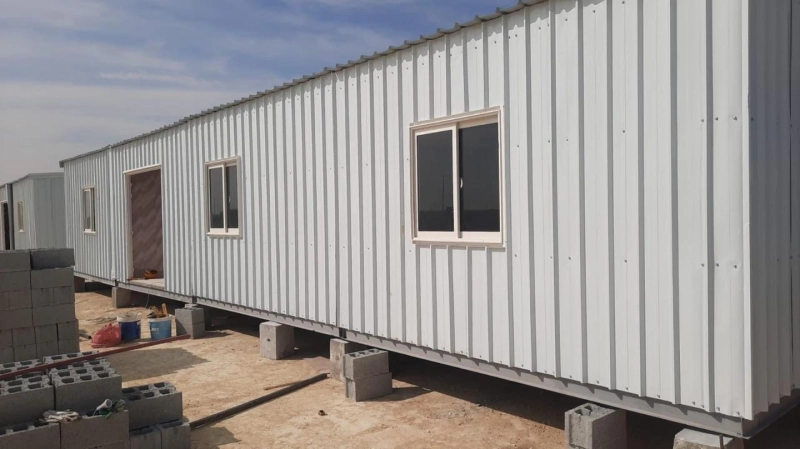
A porta cabin, also known as a portable cabin, is a prefabricated structure designed for temporary or semi-permanent use. It is manufactured in a factory setting and then transported to the desired location for installation. Porta cabins can serve as offices, classrooms, living spaces, storage units, or site accommodation.
Traditionally, porta cabins were simple structures providing basic shelter. However, as industries grew and work environments expanded into challenging terrains, the need for comfort and functionality grew. This gave rise to innovations such as air-conditioned porta cabins, which combine portability with modern amenities.
Why Air Conditioning Matters in Porta Cabins
Porta cabins are often used in harsh climates—whether in extremely hot deserts, tropical zones with high humidity, or cold regions requiring controlled indoor environments. In such cases, air conditioning is not just a luxury but a necessity. Here’s why:
- Workforce Productivity
- Comfortable working conditions directly impact employee efficiency. A cool and controlled environment helps workers stay focused, avoid fatigue, and maintain higher productivity levels.
- Health and Safety
- Extreme heat can lead to dehydration, heat strokes, or exhaustion. An air-conditioned porta cabin ensures that staff, patients, or guests remain safe and healthy in all weather conditions.
- Equipment Protection
- In porta cabins used as data centers, laboratories, or storage units, sensitive equipment requires a stable indoor climate. Air conditioning helps protect machinery, electronics, and perishable goods from heat damage.
- Extended Usage
- Without proper temperature control, porta cabins may only serve as temporary shelters for a few hours at a time. With air conditioning, they can function as full-fledged offices, homes, or medical clinics for extended periods.
Key Features of Air-Conditioned Porta Cabins
Modern air-conditioned porta cabins are more than just mobile containers with cooling systems. They come with a host of features tailored to meet diverse requirements:
- Durable Construction
- Built with high-quality steel, aluminum, or composite panels, these cabins are weather-resistant, rust-proof, and capable of withstanding rough transportation.
- Efficient Insulation
- Insulated walls, ceilings, and floors ensure that the cooling system works efficiently, reducing energy consumption and maintaining consistent indoor temperatures.
- Integrated HVAC Systems
- Depending on the size and use case, cabins can be equipped with split air conditioners, centralized HVAC units, or even solar-powered cooling systems.
- Compact Yet Spacious Layouts
- Smart design allows maximum utilization of available space. Multi-room configurations can include offices, bedrooms, kitchens, and bathrooms.
- Mobility and Easy Installation
- These cabins can be transported by truck or crane and installed quickly at any location, making them ideal for urgent projects.
- Eco-Friendly Options
- Many modern porta cabins incorporate energy-efficient appliances, solar panels, and environmentally friendly materials.
Applications of Air-Conditioned Porta Cabins
The versatility of air-conditioned porta cabins makes them suitable for a wide range of industries and scenarios:
- Construction Industry
- Site offices for engineers and managers
- Accommodation for workers
- Meeting rooms or training facilities
- Healthcare Sector
- Temporary clinics in rural areas
- Quarantine centers and testing facilities
- Mobile vaccination units
- Education and Training
- Portable classrooms in underdeveloped areas
- Examination halls
- Training centers for skill development
- Events and Entertainment
- Luxury VIP lounges at concerts or festivals
- Dressing rooms for performers
- Ticketing and registration counters
- Corporate and Government Use
- Disaster relief command centers
- Military camps and border outposts
- Remote project headquarters
- Hospitality and Tourism
- Guest rooms at eco-resorts
- Holiday cabins in remote destinations
- Camping and glamping solutions
Advantages of Air-Conditioned Porta Cabins
Air-conditioned porta cabins offer numerous benefits over traditional buildings and non-air-conditioned portable structures.
- Cost-Effectiveness
- They are more affordable to manufacture, transport, and maintain compared to permanent structures.
- Flexibility
- Porta cabins can be relocated as projects shift or needs change, ensuring maximum return on investment.
- Comfort
- With air conditioning, occupants enjoy a climate-controlled environment, making long working hours or extended stays feasible.
- Quick Deployment
- Prefabrication reduces construction time. An entire cabin can be delivered and operational within days.
- Customizable Designs
- From single-room units to multi-story complexes, porta cabins can be tailored to specific requirements.
- Eco-Conscious Construction
- Many manufacturers focus on energy efficiency and sustainability, offering greener alternatives to conventional infrastructure.
Design Considerations for Air-Conditioned Porta Cabins
When planning or purchasing an air-conditioned porta cabin, several design factors must be considered:
- Size and Layout
- The purpose of the cabin—office, dormitory, clinic, or lounge—will dictate its size and internal layout.
- Type of Air Conditioning
- Split units for small cabins
- Ducted systems for larger multi-room setups
- Solar-powered systems for off-grid locations
- Energy Requirements
- Reliable power sources must be ensured, especially in remote areas. Backup generators or solar solutions may be necessary.
- Ventilation and Air Quality
- Adequate ventilation, filtration, and air circulation are critical for maintaining healthy indoor conditions.
- Durability and Weather Resistance
- Materials must withstand regional climatic conditions, whether hot deserts, coastal humidity, or cold mountains.
- Mobility Needs
- Cabins that need frequent relocation must be lightweight and easy to transport.
- Safety Standards
- Fire-resistant materials, secure locks, and compliance with safety codes are essential.
Challenges and Solutions
While air-conditioned porta cabins offer immense benefits, they also face certain challenges:
- Energy Consumption
- Challenge: High electricity usage due to air conditioning.
- Solution: Incorporating energy-efficient appliances, solar panels, and advanced insulation.
- Initial Investment
- Challenge: Higher upfront cost compared to non-air-conditioned cabins.
- Solution: Long-term savings in productivity, health, and equipment protection justify the investment.
- Transportation Costs
- Challenge: Moving cabins over long distances can be expensive.
- Solution: Modular construction that allows dismantling and reassembly.
- Space Constraints
- Challenge: Limited space inside the cabin.
- Solution: Smart layouts and multi-functional furniture maximize usability.
Future Trends in Air-Conditioned Porta Cabins
The future of air-conditioned porta cabins looks promising, with several innovations on the horizon:
- Smart Cabins
- Integration of IoT devices for remote monitoring of temperature, humidity, and energy consumption.
- Green Energy Solutions
- Solar panels and battery storage to reduce reliance on fossil fuels.
- Advanced Materials
- Lightweight yet stronger materials that enhance durability and insulation.
- Luxury Customization
- High-end porta cabins with premium interiors, advanced HVAC systems, and smart home features for hospitality and tourism.
- Hybrid Uses
- Multi-purpose cabins that serve as offices by day and living quarters by night.
Conclusion
Air-conditioned porta cabins represent the perfect blend of mobility, comfort, and functionality. From bustling construction sites to remote healthcare centers, and from corporate offices to luxurious event spaces, these portable units provide practical solutions to modern infrastructure needs.
With advancements in design, sustainability, and technology, the role of air-conditioned porta cabins will only grow in the years ahead. They are not just temporary shelters but a glimpse into the future of versatile, eco-conscious, and comfortable living and working spaces.