




The world of online search has witnessed remarkable transformations in the past decade. At the heart of these changes lies an ever-growing fascination with artificial intelligence (AI), especially when it comes to how we gather information. With the rise of AI powered search assistants, there’s a growing curiosity: Are these modern tools on track to replace Google as our primary gateway to the world’s information?
Understanding the Shift: How AI Search Assistants Work
For years, Google has been the internet’s compass, helping users navigate an ocean of content in seconds. However, AI powered search assistants are now emerging as worthy competitors, equipped with features that weren’t even conceivable in the early days of web search. Instead of merely indexing pages and returning ranked lists, these tools leverage advanced algorithms, natural language understanding, and even context awareness to guide users toward more precise and relevant answers.
Unlike traditional search engines, AI assistants don’t just fish for matching keywords. They analyze your query holistically, comprehend your intent, and deliver responses that feel personal and highly relevant. It almost feels like chatting with a knowledgeable friend rather than hunting for a needle in the haystack of internet data.Check spywareremovalblog.com website to explore how this technology is transforming everyday search into smart conversations.
Why Are People Turning to AI Search Assistants?
The primary driver of this change is convenience. AI powered assistants offer a hands-free, intuitive, and conversational experience. They aren’t just for the tech-savvy anymore—anyone can ask these assistants questions, tell them to perform tasks, or request information, all using natural language. This shift means there’s less need to type precise search terms or sift through pages of results. Instead, users can simply ask what’s on their mind and get helpful, contextualized answers.
Can AI Search Assistants Really Replace Google?
The big question remains: Are these AI search assistants truly capable of dethroning Google? There is more to the answer than a simple yes/no. Google remains dominant due to its immense database, sophisticated ranking algorithms, and years of trust built with users and webmasters alike. Nevertheless, AI assistants bring something fresh to the table: they offer answers, not just links.
We already use several search assistants extensively in our daily lives. Think of how many people now ask Siri or Alexa for answers, or use Google Assistant for tasks ranging from calendar management to weather updates. These AI driven platforms can aggregate information, make recommendations, and even automate routine tasks, all based on user preferences and context.
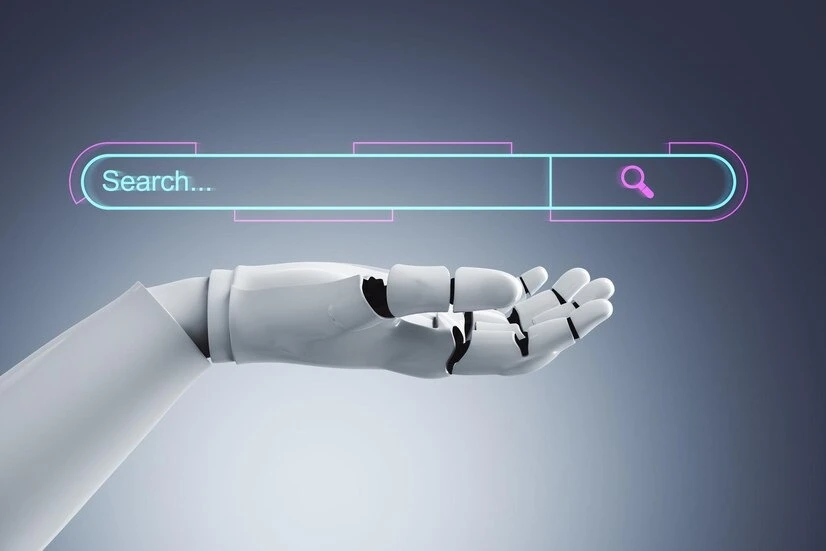
The Human Touch in Modern Search
One of the most talked-about aspects of AI search assistants is their ability to mimic human-like dialogue. This conversational element sets them apart from the often clinical, impersonal experience of sifting through hundreds of blue links. It can lead to greater user satisfaction, especially when you’re looking for straightforward answers or assistance with tasks.
However, AI is only as good as the code and data that support it. There can be moments of confusion or misunderstanding, especially with ambiguous or novel queries. However, these tools are improving rapidly. Machine learning allows them to continuously adapt and become smarter with every interaction.
What Does the Future Hold for Search?
Looking ahead, it’s clear that AI search assistants will play an ever-larger role in the way we discover and use information. The distinction between virtual assistants and search engines is already becoming more hazy. Soon, searching might become less about typing queries into a box and more about having meaningful interactions with a digital helper who knows your preferences, context, and goals.
While it’s unlikely that AI powered assistants will fully replace Google in the near term, they are already complementing and enhancing our search habits. For now, each serves its own purpose—Google excels at deep research and exhaustive data retrieval, whereas AI assistants offer quick, tailored, and conversational responses.
Conclusion
In summary, AI powered search assistants have ignited a transformation in the way we look for answers online. They haven’t replaced Google completely, but they’ve certainly carved out a niche by providing more human-like, personalized, and ingenious ways to interact with information. As technology continues to evolve, the most important thing is keeping up with the options and integrating the tools that feel both convenient and trustworthy.