




In today's fast-paced business environment, providing exceptional customer service is no longer optional it's essential for survival. As customer expectations continue to rise and support teams face mounting pressure, artificial intelligence has emerged as a game-changing solution. From intelligent conversational AI chatbots to predictive analytics, AI is transforming how companies interact with their customers. This comprehensive guide explores everything you need to know about AI in customer service.
What is AI in Customer Service?
Artificial intelligence in customer service refers to the use of advanced technologies including machine learning, natural language processing, and predictive analytics to automate, enhance, and optimize customer interactions. Unlike traditional automation tools that follow rigid rules, AI systems can understand context, learn from interactions, and make intelligent decisions in real-time.
AI customer service tools range from sophisticated conversational AI chatbots that engage in natural dialogue to advanced virtual assistants capable of handling complex customer issues with minimal human intervention.
The Evolution of Customer Service AI
The journey of AI in customer service has been remarkable:
Early Days (2000s): Simple rule-based automated responders with limited capabilities, often frustrating customers with their inability to understand natural language.
Intermediate Phase (2010-2015): Introduction of more advanced virtual assistants with basic natural language processing, capable of understanding simple queries and providing relevant responses.
Current Generation (2016-Present): Sophisticated AI systems powered by deep learning, capable of understanding context, sentiment, and intent while continuously improving through interaction.
Emerging Future: Hyper-personalized, emotionally intelligent AI assistants that can predict customer needs before they arise and seamlessly integrate across all touchpoints.
Key AI Technologies Transforming Customer Service
1. Natural Language Processing (NLP)
NLP enables machines to understand, interpret, and respond to human language in a valuable way. In customer service, this means AI can:
- Understand customer queries regardless of how they're phrased
- Detect sentiment and emotion in written or verbal communication
- Extract important information from unstructured conversations
- Generate natural-sounding responses that don't feel robotic
2. Machine Learning and Predictive Analytics
These technologies allow AI systems to learn from past interactions and make predictions about future needs:
- Identify patterns in customer behavior and preferences
- Predict potential issues before customers report them
- Recommend next best actions to service agents
- Continuously improve responses based on successful interactions
3. Computer Vision
Visual AI capabilities enable:
- Identification and verification of customers through facial recognition
- Processing of visual information like photos of damaged products
- Reading and processing documents uploaded by customers
- Enhancing accessibility for customers with disabilities
4. Voice Recognition and Processing
Voice-enabled AI has revolutionized customer service through:
- Intelligent IVR (Interactive Voice Response) systems
- Voice biometrics for secure customer authentication
- Real-time transcription of customer calls
- Voice-activated self-service options
Real-World Applications of AI in Customer Service
Conversational AI Chatbots and Virtual Assistants
Modern conversational AI chatbots go far beyond answering FAQs. They can:
- Handle complex conversations across multiple topics
- Process and fulfill customer requests (like booking appointments or processing returns)
- Seamlessly transfer to human agents when necessary, along with the conversation context
- Offer proactive assistance based on customer behavior
Unlike basic scripted tools of the past, today's conversational AI chatbots use sophisticated natural language understanding to engage in meaningful dialogue with customers, creating experiences that feel natural and helpful.
AI-Enhanced Human Support
AI isn't just about automation, it's also about empowering human agents:
- Real-time coaching during customer interactions
- Automatic summarization of customer issues
- Suggested responses and solutions based on similar past cases
- Intelligent routing to match customers with the most qualified agents
Personalization at Scale
AI enables personalized service that was previously impossible at scale:
- Customized recommendations based on purchase history and browsing behavior
- Dynamic adjustment of communication style to match customer preferences
- Personalized self-service experiences based on customer segments
- Tailored solutions that account for a customer's entire relationship with the company
Proactive Support
Instead of waiting for customers to report problems:
- AI can monitor product usage patterns to identify potential issues
- Predictive models can forecast which customers might need assistance
- Automated systems can reach out with solutions before customers experience frustration
- Preventative maintenance recommendations can avoid service disruptions
Benefits of Implementing AI in Customer Service
For Businesses
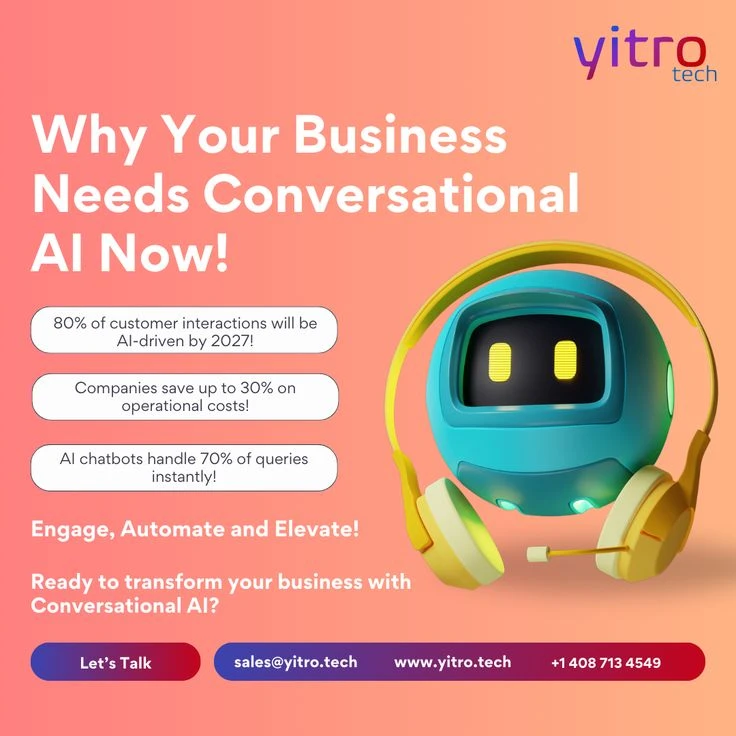
Cost Efficiency: AI can handle a significant volume of customer inquiries at a fraction of the cost of traditional support. Organizations typically see 15-30% cost reduction after implementing AI customer service solutions.
Scalability: Unlike human teams, AI can handle virtually unlimited simultaneous interactions without degradation in service quality.
Consistency: AI delivers consistent responses across all interactions, ensuring brand voice and policy adherence.
Data-Driven Insights: AI systems generate valuable data about customer preferences, common issues, and service effectiveness.
Extended Availability: AI enables 24/7 support without increasing staffing costs.
For Customers
Immediate Responses: No more waiting on hold or for email replies—AI provides instant acknowledgment and often instant resolution.
Personalized Experiences: Interactions tailored to individual preferences and history.
Frictionless Self-Service: Intuitive interfaces that make finding information and solving problems effortless.
Consistent Quality: Reliable service regardless of time, channel, or query complexity.
For Employees
Focus on Complex Issues: Freedom from repetitive queries allows agents to handle challenging cases requiring human touch.
Enhanced Capabilities: AI-powered tools help agents provide better, more informed service.
Reduced Stress: Lower queue volumes and better information reduce pressure on support teams.
Career Development: Opportunity to develop skills in AI management and complex problem-solving.
Challenges and Considerations
Despite its benefits, implementing AI in customer service comes with challenges:
Technical Challenges
- Integration with existing systems and databases
- Data quality and availability issues
- Need for continuous model training and improvement
- Channel integration for consistent omnichannel experiences
Human Factors
- Customer resistance to interacting with AI
- Employee concerns about job security
- Change management during implementation
- Finding the right balance between automation and human touch
Ethical Considerations
- Privacy and data protection concerns
- Transparency about AI use in customer interactions
- Bias and fairness in AI decision-making
- Accessibility for all customer segments
Best Practices for AI Implementation in Customer Service
Start with Clear Objectives
Define what success looks like before implementation:
- Which metrics will improve? (CSAT, NPS, resolution time, etc.)
- Which processes should be automated?
- What customer experience improvements are you targeting?
Focus on Customer Journey Integration
- Map customer journeys to identify high-impact AI opportunities
- Ensure seamless transitions between AI and human support
- Design for omnichannel consistency
Prioritize Training Data Quality
- Use actual customer conversations to train AI models
- Include diverse examples to avoid bias
- Continuously update training data as customer language evolves
Implement Gradually
- Start with pilot programs in limited areas
- Gather feedback and improve before expanding
- Consider a phased approach rather than complete transformation
Maintain Human Oversight
- Establish monitoring processes for AI interactions
- Create escalation paths for complex situations
- Regularly audit AI decisions for quality and fairness
Communicate Transparently
- Be clear with customers when they're interacting with AI
- Explain how customer data is used to improve service
- Provide options for those who prefer human assistance
The Future of AI in Customer Service
As we look ahead, several emerging trends will shape the evolution of AI in customer service:
Emotional Intelligence
Next-generation conversational AI chatbots will better recognize and respond to customer emotions, adapting tone and approach accordingly.
Hyper-Personalization
AI will leverage increasingly sophisticated data analysis to provide truly individualized service experiences.
Predictive Resolution
Systems will identify and resolve potential issues before customers become aware of them.
Augmented Reality Support
Visual AI combined with AR will enable more effective remote troubleshooting and product support.
Voice-First Experiences
As voice technology improves, conversational AI will become the primary interface for many service interactions.
Human-AI Collaboration
Rather than replacement, we'll see more sophisticated collaboration between AI systems and human agents, each handling what they do best.
Getting Started with AI in Customer Service
If you're considering implementing AI in your customer service operations, here's a roadmap to get started:
- Assess your current state: Identify pain points in your existing customer service processes.
- Define clear objectives: Determine what you want to achieve with AI implementation.
- Start small: Choose a specific use case with high impact potential.
- Select the right technology: Evaluate Ai customer service platforms based on your specific needs and integration requirements.
- Prepare your data: Organize and clean your customer interaction data.
- Plan for human-AI collaboration: Define how AI will complement your human team.
- Measure and optimize: Establish KPIs and continuously improve your AI implementation.
Conclusion
AI in customer service is no longer a futuristic concept, it's a present reality transforming how businesses interact with their customers. When implemented thoughtfully, AI enhances the customer experience, improves operational efficiency, and empowers human agents to deliver more value.
The most successful organizations will be those that view AI not as a replacement for human service but as a powerful tool to augment human capabilities. By finding the right balance between automation and the human touch, companies can create customer service experiences that are both efficient and emotionally resonant.
As AI technology continues to evolve, the possibilities for customer service innovation will expand. The businesses that embrace these changes—while keeping customer needs at the center of their strategy will gain a significant competitive advantage in an increasingly customer-centric marketplace.
Are you ready to transform your customer service with AI? Try SmartAlly