


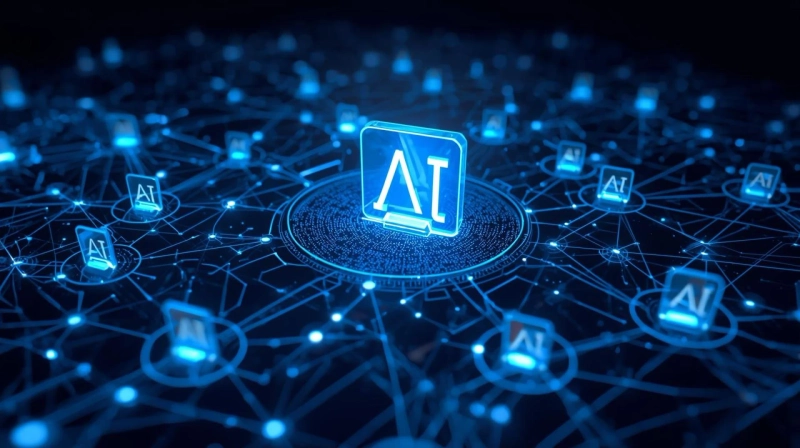
Managing endpoints has become one of the biggest challenges for IT teams across the United States. With employees working from offices, homes, and remote locations, organizations now manage thousands of devices—laptops, desktops, mobile phones, and IoT endpoints. Each one is a potential entry point for cyber threats. This is where AI for endpoint management changes the game.
Artificial intelligence brings smarter control, faster responses, and fewer security gaps. Instead of relying only on manual processes and static rules, AI-powered endpoint management tools help businesses stay secure, compliant, and efficient.
What Is AI-Powered Endpoint Management?
Endpoint management refers to the process of monitoring, securing, and maintaining devices connected to a company’s network. Traditional endpoint management tools depend heavily on predefined rules, manual monitoring, and periodic updates.
AI-powered endpoint management uses machine learning, automation, and data analytics to improve how endpoints are managed. These systems continuously learn from device behavior, identify unusual activity, and take action before problems grow into serious incidents.
For U.S. organizations facing advanced cyber threats and strict compliance requirements, AI-driven endpoint management provides a smarter and more scalable solution.
Why Endpoint Management Needs AI
The number of endpoints in modern organizations keeps increasing. At the same time, cyber attacks are becoming more targeted and harder to detect. Manual monitoring alone cannot keep up with this pace.
AI helps close these gaps by:
- Detecting threats faster
- Reducing human error
- Automating repetitive tasks
- Improving visibility across all endpoints
With AI, IT teams can focus on strategic initiatives instead of spending hours responding to alerts and managing updates.
Key Benefits of AI for Endpoint Management
1. Real-Time Threat Detection
AI continuously analyzes endpoint behavior to spot anomalies. If a device starts acting differently—such as accessing unusual files or communicating with unknown servers—AI can flag or isolate it instantly.
This real-time detection helps organizations in the USA reduce dwell time and prevent breaches before damage occurs.
2. Automated Incident Response
AI-driven endpoint management tools can automatically respond to threats. For example, if malware is detected, the system can quarantine the device, block suspicious processes, and alert the security team—all without manual intervention.
This automation speeds up response times and minimizes business disruption.
3. Unified Endpoint Visibility
Managing endpoints across multiple locations can create blind spots. AI-powered platforms provide centralized visibility across all devices, operating systems, and user environments.
With unified dashboards, IT teams gain a clear view of device health, security status, and compliance levels in real time.
4. Predictive Maintenance and Updates
AI can predict endpoint issues before they happen. By analyzing usage patterns and performance data, AI helps identify devices that may fail, need updates, or require configuration changes.
This proactive approach reduces downtime and improves overall productivity.
5. Improved Compliance and Policy Enforcement
Many U.S. industries must follow regulations such as HIPAA, PCI DSS, and SOC 2. AI ensures endpoint security policies are consistently enforced across all devices.
If a device falls out of compliance, AI can trigger automatic remediation actions, helping organizations avoid penalties and audits issues.
How AI Reduces Security Gaps
Security gaps often occur due to delayed updates, misconfigured devices, or lack of visibility. AI addresses these challenges by:
- Automatically identifying unpatched endpoints
- Detecting shadow IT devices
- Enforcing consistent security configurations
- Learning from past incidents to improve future responses
Over time, AI systems become smarter, reducing the chances of repeated vulnerabilities and missed threats.
AI for Endpoint Management in the USA
Organizations across the United States are adopting AI-driven endpoint management to handle remote work, cloud environments, and evolving cyber risks. Industries such as healthcare, finance, retail, and manufacturing benefit greatly from AI’s ability to scale and adapt.
With increasing cyber regulations and rising attack costs, U.S. businesses need endpoint management solutions that offer speed, accuracy, and resilience.
Why Choose Sattrix for AI Endpoint Management?
Sattrix delivers intelligent endpoint management solutions designed to help organizations gain smarter control with fewer gaps. By combining AI, automation, and advanced analytics, Sattrix empowers IT and security teams to manage endpoints efficiently and securely.
Key advantages of Sattrix include:
- AI-driven threat detection and response
- Centralized endpoint visibility
- Automated patching and policy enforcement
- Scalable solutions for growing U.S. businesses
Sattrix focuses on simplicity and performance, ensuring organizations can strengthen their endpoint security without adding complexity.
Best Practices for Implementing AI Endpoint Management
To get the most value from AI-powered endpoint management, organizations should:
Start with Visibility
Ensure all endpoints are discovered and monitored from a single platform.
Automate Gradually
Begin with basic automation and expand as confidence grows.
Align with Security Policies
Integrate AI tools with existing security frameworks and compliance requirements.
Train IT Teams
Help teams understand how AI insights work so they can make better decisions.
Continuously Optimize
Review AI-driven reports regularly to refine policies and improve outcomes.
Final Thoughts
AI for endpoint management offers a smarter way to protect devices, users, and data. By automating detection, response, and maintenance, AI reduces security gaps while improving operational efficiency.
For organizations in the USA, adopting AI-powered endpoint management is no longer optional—it is essential. With trusted solutions from Sattrix, businesses can gain stronger control, faster responses, and a more secure endpoint environment built for long-term success.