



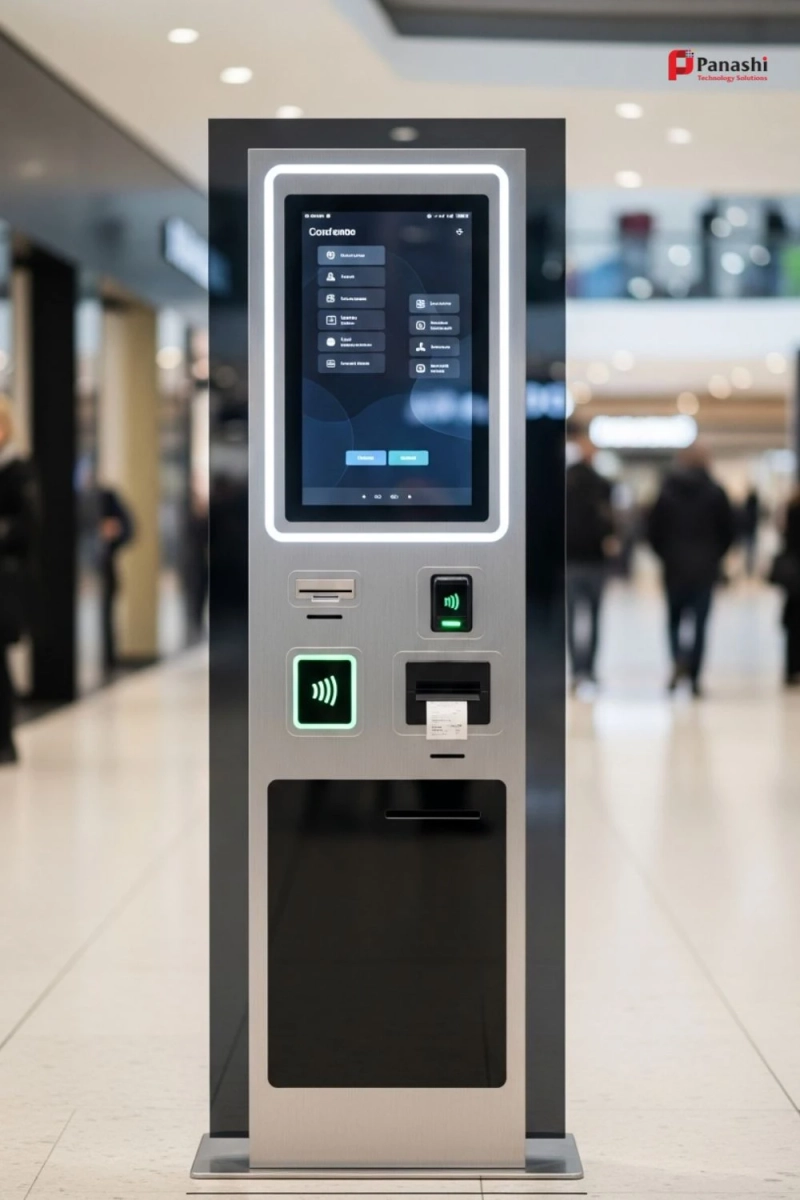
The digital payment landscape is evolving rapidly. Businesses are constantly seeking ways to enhance customer experiences, streamline operations, and reduce costs. Among the innovations driving this change, payment kiosks are at the forefront. Traditionally used for simple transactions like bill payments or ticketing, these kiosk machines are now becoming smarter thanks to Artificial Intelligence (AI) and Machine Learning (ML).
By integrating AI and ML, payment kiosks are no longer just transactional tools—they are intelligent systems capable of learning, predicting, and adapting to customer behavior. This next wave of automation is transforming the way businesses manage digital payments and engage with their customers.
The Evolution of Payment Kiosks
Payment kiosks began as basic self-service machines that allowed customers to make payments without staff assistance. They were primarily used to accept cash, cards, or digital payments in sectors like retail, transportation, healthcare, and government services.
Over time, kiosk machines evolved to include touchscreens, multiple payment options, and real-time connectivity. Today, the integration of AI and ML is pushing their capabilities even further. Smart kiosks can now analyze patterns, make recommendations, detect anomalies, and deliver personalized customer experiences.
How AI and Machine Learning Enhance Payment Kiosks
1. Personalized Customer Experiences
AI-powered kiosks can track user behavior and previous transactions to offer personalized suggestions. For instance, in a cafeteria or quick-service restaurant, a payment kiosk can recommend menu items based on a customer’s previous choices, dietary preferences, or even current trends.
This personalization not only improves customer satisfaction but also increases the likelihood of upselling, resulting in higher revenue per transaction.
2. Predictive Analytics for Inventory and Operations
Machine Learning algorithms allow kiosks to forecast demand based on historical data and current trends. For example, a kiosk machine in a retail outlet can anticipate peak transaction times and adjust staffing or inventory accordingly.
This predictive capability helps businesses optimize operations, reduce waste, and ensure that popular items are always available, enhancing both efficiency and profitability.
3. Fraud Detection and Enhanced Security
AI-powered kiosks are equipped with algorithms that can detect unusual patterns or suspicious activities. Whether it’s multiple failed payment attempts, unusual transaction sizes, or irregular user behavior, the system can flag potential fraud in real time.
Additionally, biometric verification, facial recognition, and secure encryption protocols integrated into kiosks ensure that customer data remains safe. This level of security builds trust and encourages more users to adopt self-service payment solutions.
4. Adaptive Interfaces and Voice Interaction
Machine Learning enables kiosks to adapt interfaces based on usage patterns. Frequently used options can be highlighted, and menu layouts can dynamically change to reduce navigation time.
Voice-assisted AI integration further simplifies interactions, allowing users to complete transactions or navigate options using natural language. This hands-free approach is especially valuable in healthcare settings, airports, or food courts, where convenience and speed are critical.
Benefits of AI-Driven Payment Kiosks
For Businesses:
- Operational Efficiency: Automates routine tasks, reducing labor costs and minimizing errors.
- Revenue Growth: Personalized suggestions and upselling opportunities increase average transaction value.
- Data-Driven Decisions: Real-time insights into user behavior and transaction trends support better business strategies.
- Enhanced Security: AI and ML help prevent fraud and protect sensitive customer data.
For Customers:
- Faster Transactions: Adaptive interfaces and AI-driven recommendations reduce waiting times.
- Personalization: Tailored suggestions enhance convenience and satisfaction.
- Safe Payments: Secure authentication and real-time fraud detection ensure peace of mind.
- Ease of Use: Voice recognition and intuitive menus make transactions simple and accessible.
AI in Different Industries
Retail and Hospitality
In retail stores, AI-driven kiosks can recommend products based on purchase history or ongoing promotions. Hotels and restaurants can offer personalized deals or meal suggestions, creating a more engaging experience while boosting revenue.
Transportation
Airports, metro stations, and bus terminals benefit from kiosks that predict peak travel times and optimize queue management. Smart kiosks also provide passengers with real-time travel updates and personalized service options.
Healthcare
In hospitals and clinics, AI-powered payment kiosks facilitate quick bill payments, appointment scheduling, and patient check-ins. Predictive analytics can also assist in managing peak patient inflow efficiently.
Government Services
Smart kiosks enable citizens to pay taxes, fines, or utility bills seamlessly. AI algorithms help detect fraudulent payments, streamline processes, and provide personalized guidance, improving overall service delivery.
Future Trends in AI-Powered Kiosks
The next wave of kiosk machine innovation will focus on:
- Integration with IoT: Real-time connectivity with devices and systems for better monitoring and maintenance.
- Blockchain Technology: Ensuring tamper-proof, secure, and transparent transactions.
- Advanced Analytics: Deeper insights into customer behavior, sales trends, and operational efficiency.
- Robust Multilingual Support: AI enabling kiosks to interact in multiple languages, enhancing accessibility.
These advancements will make kiosks even smarter, more secure, and more efficient, cementing their role as essential tools for businesses across sectors.
Challenges to Consider
While AI-powered payment kiosks offer tremendous benefits, businesses must address certain challenges:
- Initial Investment: Advanced AI and ML integration requires higher upfront costs.
- Maintenance and Updates: Continuous monitoring and software updates are essential to maintain performance.
- Data Privacy: Collecting and analyzing customer data demands strict adherence to privacy regulations.
- User Adaptation: Ensuring customers are comfortable using AI-driven kiosks may require user education or guidance.
With proper planning, training, and system management, these challenges can be effectively mitigated.
Conclusion
AI and Machine Learning are driving the next wave of automation in payment kiosks, transforming them from simple transactional devices into intelligent systems that enhance efficiency, personalization, and security.
By adopting AI-driven kiosk machines, businesses can optimize operations, increase revenue, and deliver superior customer experiences. From predictive analytics and fraud detection to personalized recommendations and adaptive interfaces, the future of self-service payments is smart, secure, and data-driven.
In an era where speed, convenience, and personalization are paramount, investing in AI-powered payment kiosks is not just a technological upgrade—it’s a strategic business decision that positions companies for long-term success in the digital economy.