



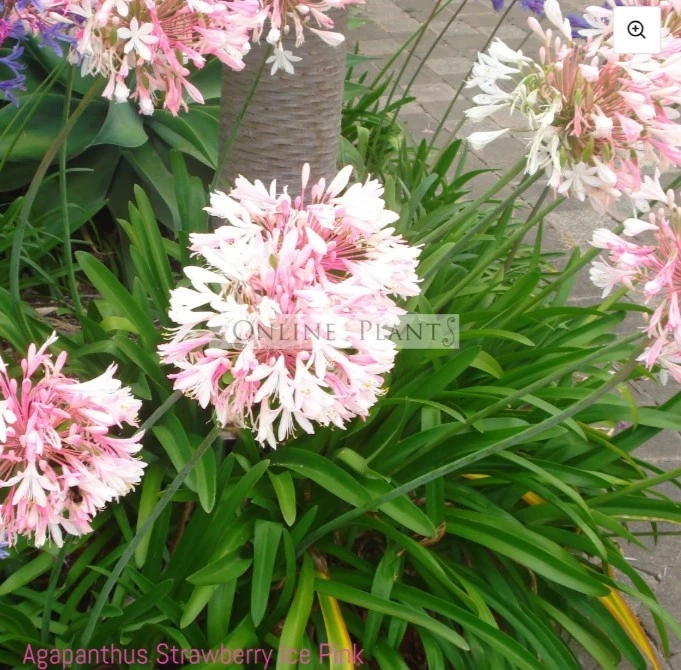
Agapanthus strawberry ice is one of the most charming flowering plants available for Australian gardens today. Known for its elegant clusters of soft white blooms brushed with gentle pink tones, this variety adds a refreshing and graceful touch to outdoor spaces. Gardeners across Australia appreciate plants that combine beauty with resilience, and this agapanthus variety does exactly that. Whether planted in a suburban front yard, a coastal garden, or a modern landscape design, it provides a long-lasting display of colour while remaining easy to care for. Because it thrives in a range of climates and soil conditions, Agapanthus Strawberry Ice has become a popular choice for gardeners who want reliable performance along with distinctive visual appeal.
A Unique Flower with Soft Colour Tones
One of the most appealing qualities of this plant is its unique flower colour. Unlike traditional agapanthus varieties that usually display strong blue or pure white tones, this variety produces blooms that open in creamy white with a delicate strawberry-pink blush. As the flowers mature, the soft pink hue becomes more noticeable, creating a layered colour effect that stands out beautifully in garden beds. The flowers grow in rounded clusters on tall upright stems, rising above the plant’s lush green foliage. When several plants bloom together, they create a gentle wave of pastel colour that can brighten up pathways, borders, and outdoor living areas.
The subtle colouring also makes the plant easy to combine with other garden favourites. Soft pink flowers complement roses, salvias, lavender, and ornamental grasses, helping gardeners create harmonious and visually balanced landscapes. The blooms are not overly bold, which means they blend naturally with many planting styles while still attracting attention.
Growth Habit and Garden Structure
Agapanthus Strawberry Ice forms a neat clumping plant with long strap-like green leaves that remain attractive throughout most of the year. Even when the plant is not flowering, the foliage adds structure and texture to the garden. The leaves grow in a dense base that creates a tidy mound, giving the plant a clean and organised appearance in landscape designs.
At maturity, this agapanthus typically reaches around 70 to 80 centimetres in both height and width, making it a versatile size for many garden settings. It is large enough to act as a feature plant within a garden bed yet compact enough to work well in smaller spaces. Because the plant grows in clumps rather than spreading aggressively, it stays manageable and easy to maintain over time.
Ideal Growing Conditions for Australian Gardens
Australian gardeners often choose plants that can tolerate strong sunlight, warm temperatures, and occasional dry periods. Agapanthus Strawberry Ice performs very well in these conditions. It thrives in locations that receive full sun or partial shade, and it grows best in soil that drains well. Many Australian soils range from sandy to clay-based, but this plant adapts to most soil types once it becomes established.
Regular watering is important during the early stages after planting to help the roots settle into the soil. Once established, however, the plant becomes relatively drought tolerant and can handle short dry periods without difficulty. This makes it suitable for water-wise gardens or areas where watering may be limited during summer months.
Applying mulch around the base of the plant can help maintain soil moisture and regulate temperature during hot weather. In spring, a slow-release fertiliser can encourage healthy foliage and abundant flowering, ensuring the plant produces strong blooms during the growing season.
Landscape Uses and Garden Design Ideas
The versatility of this plant makes it a valuable addition to many landscape designs. Gardeners often plant it along walkways, driveways, or garden borders where its upright flowers can frame outdoor spaces beautifully. When planted in groups, the plants create repeating clusters of pastel colour that guide the eye across the garden.
This agapanthus variety also works well in coastal gardens where wind and salt exposure can be challenging for other plants. Its hardy nature allows it to handle these conditions better than many delicate flowering species. In modern landscapes, the soft pink blooms provide a gentle contrast to stone pathways, timber decking, or contemporary architecture.
For gardeners with limited space, the plant can also be grown successfully in large pots or containers. Placing containers near patios, entrances, or balconies allows the flowers to become a focal point in outdoor living areas while maintaining a compact footprint.
Long-Lasting Beauty and Easy Maintenance
One of the reasons this plant remains a favourite among Australian gardeners is its low-maintenance nature. The plant requires minimal care once established, making it suitable for both experienced gardeners and beginners. Removing spent flower stems helps keep the plant looking tidy and encourages healthy growth for the next flowering season.
Because the foliage remains attractive throughout the year, the plant continues to add greenery and texture to the garden even outside the blooming period. This consistent presence helps maintain a lush garden appearance without the need for constant replanting or seasonal replacements. Its delicate pink-blushed flowers and hardy nature perfectly represent the appeal of pink agapanthus.
A Perfect Choice for Australian Gardeners
For gardeners seeking a plant that combines elegance, resilience, and easy care, this variety is an excellent option. Its soft pastel blooms, strong growth habit, and adaptability to Australian conditions make it a dependable addition to many outdoor spaces. Whether used in borders, mass plantings, or decorative containers, the plant offers long-lasting colour and charm.
As more gardeners look for distinctive plants that bring both beauty and practicality to their landscapes, this variety continues to gain popularity.