



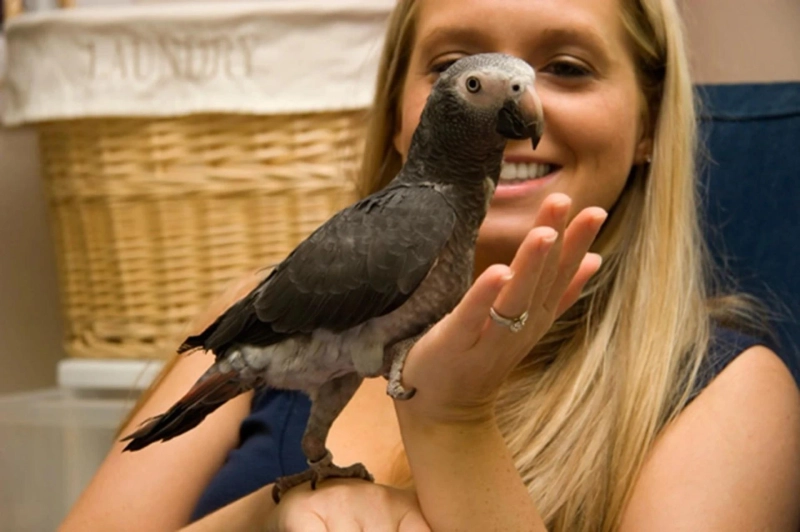
Feeding your African Grey Parrot the right diet is the key to long life, sharp intelligence, and bright feathers. These parrots are among the smartest birds in the world — but their health depends heavily on what they eat every day. A balanced African Grey Parrot diet supports strong immunity, energy, and emotional stability.
Understanding the African Grey Parrot’s Nutritional Needs
African Greys need a variety of foods to thrive. Their natural diet in the wild includes fruits, seeds, nuts, leaves, and grains. In captivity, you must recreate that balance. A poor diet can lead to malnutrition, feather plucking, and behavioral problems.
A healthy African Grey Parrot diet should include the following key nutrients:
- Protein for muscle and feather growth
- Calcium and Vitamin D3 for strong bones
- Vitamin A for vision and immune health
- Omega fatty acids for skin and feather shine
These nutrients come from a mix of pellets, fresh fruits, vegetables, and small portions of seeds.
Pellets: The Foundation of a Balanced Diet
High-quality pellets should make up about 60–70% of your parrot’s daily food. Choose a formulated pellet brand that includes essential vitamins and minerals. Pellets prevent selective eating, which is common when birds pick only their favorite foods.
Avoid pellets with artificial colors or added sugar. Brands like Harrison’s, Zupreem, and Lafeber are trusted by avian vets. Always introduce new pellets slowly to avoid stress or digestive upset.
Fruits and Vegetables: Daily Fresh Additions
Fresh produce provides vital nutrients missing in dry food. Aim for 20–25% of your bird’s daily diet to come from fruits and vegetables.
Safe Fruits for African Grey Parrots
- Apples (without seeds)
- Bananas
- Papaya
- Mango
- Berries (blueberries, raspberries, strawberries)
- Oranges (in small amounts)
Healthy Vegetables to Include
- Carrots
- Spinach
- Broccoli
- Kale
- Sweet potatoes
- Bell peppers
Chop fruits and vegetables into small, manageable pieces. Rotate different options to keep your bird interested. Avoid feeding avocado, onions, chocolate, or caffeine — all are toxic to parrots.
Seeds and Nuts: Treats, Not Staples
Seeds and nuts are high in fat. They should be treated as occasional rewards, not the main meal. A diet heavy in seeds can lead to obesity and liver problems. Offer them only a few times per week.
Good Choices for Occasional Treats
- Almonds
- Walnuts
- Pumpkin seeds
- Flaxseeds
These can be used during training sessions to build trust and reward good behavior.
Water and Hydration
Clean, fresh water should always be available. Replace it twice daily to prevent bacteria growth. African Greys may also enjoy a light misting or bath, which helps with hydration and feather condition.
Avoid giving fruit juices or flavored drinks — plain water is best for their kidneys and digestion.
Foods to Avoid Completely
Some foods are dangerous for parrots, even in small amounts. Never feed your bird the following:
- Avocado
- Chocolate
- Alcohol
- Caffeine
- Salty or fried foods
- Raw beans
- Garlic and onions
These can cause serious poisoning, heart issues, or liver damage.
Feeding Schedule and Portions
African Greys do best with a consistent morning and evening feeding routine.
- Offer pellets in the morning when they’re most active.
- Serve fruits and vegetables in the evening.
Remove uneaten food after two hours to prevent spoilage. Keep track of your parrot’s weight — sudden changes may signal dietary imbalance or illness.
Supplements and Expert Advice
If your bird’s diet lacks variety or sunlight, your vet may suggest supplements, especially calcium and Vitamin D3. However, never give supplements without professional advice — overdosing can be harmful.
Consult your avian veterinarian for tailored dietary recommendations. You can also use tools like Purina’s MyPurina App or their Pet Expertise page for professional feeding plans and treat options.
Creating a Lifelong Healthy Routine
A strong African Grey Parrot diet isn’t just about nutrition — it’s about connection. Feeding time builds trust and helps your bird feel secure. Offer food gently by hand to strengthen your bond.
Remember: diet, exercise, and mental stimulation go hand in hand. Combine healthy meals with foraging toys and interaction for a happy, active parrot.
Final Word
Your African Grey’s diet shapes its health, behavior, and longevity. With balanced meals, clean water, and safe treats, you’ll give your parrot the best life possible.
For more expert bird care guides, visit Focus Pet Care, your trusted source for avian health and nutrition advice.