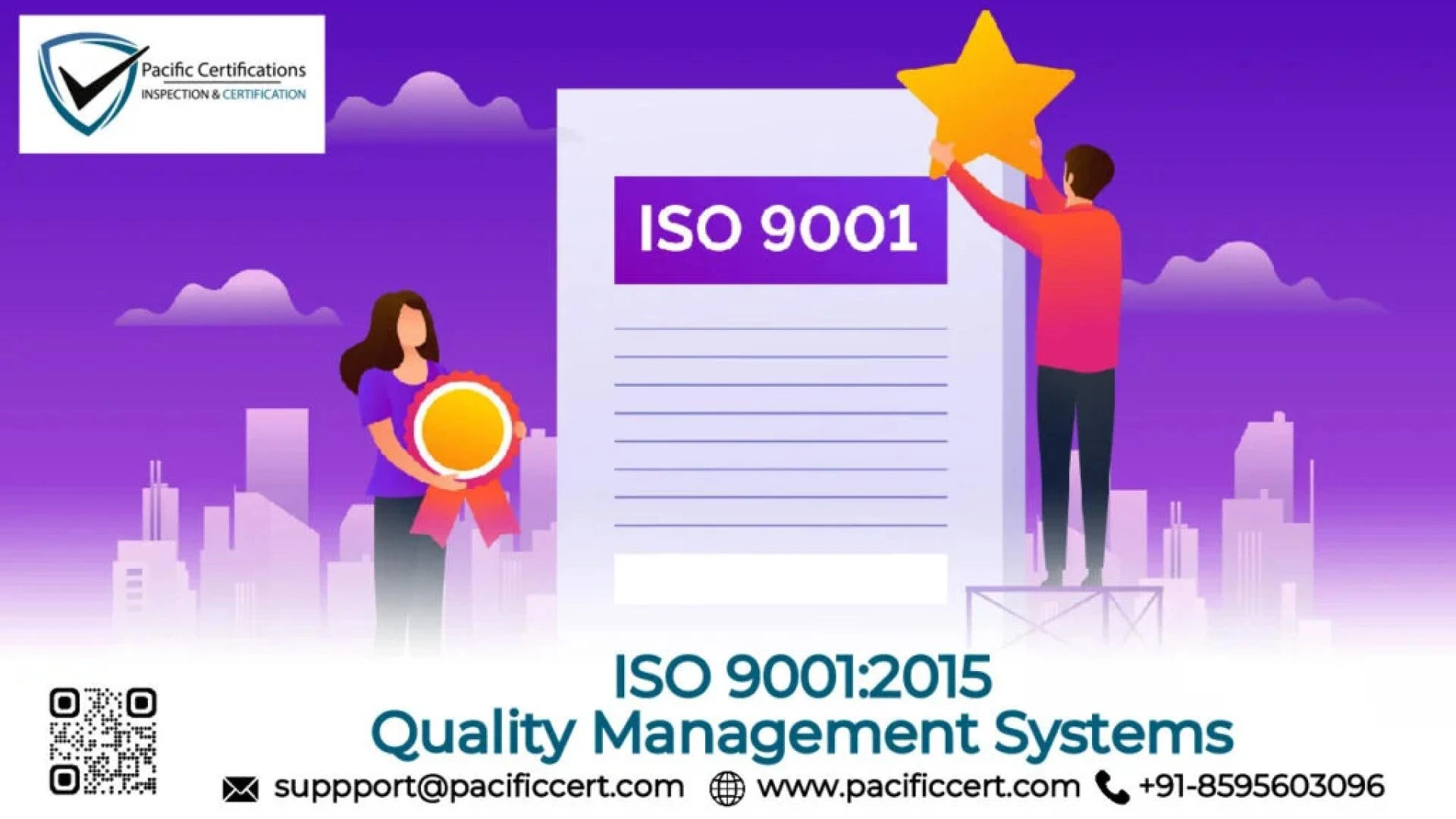
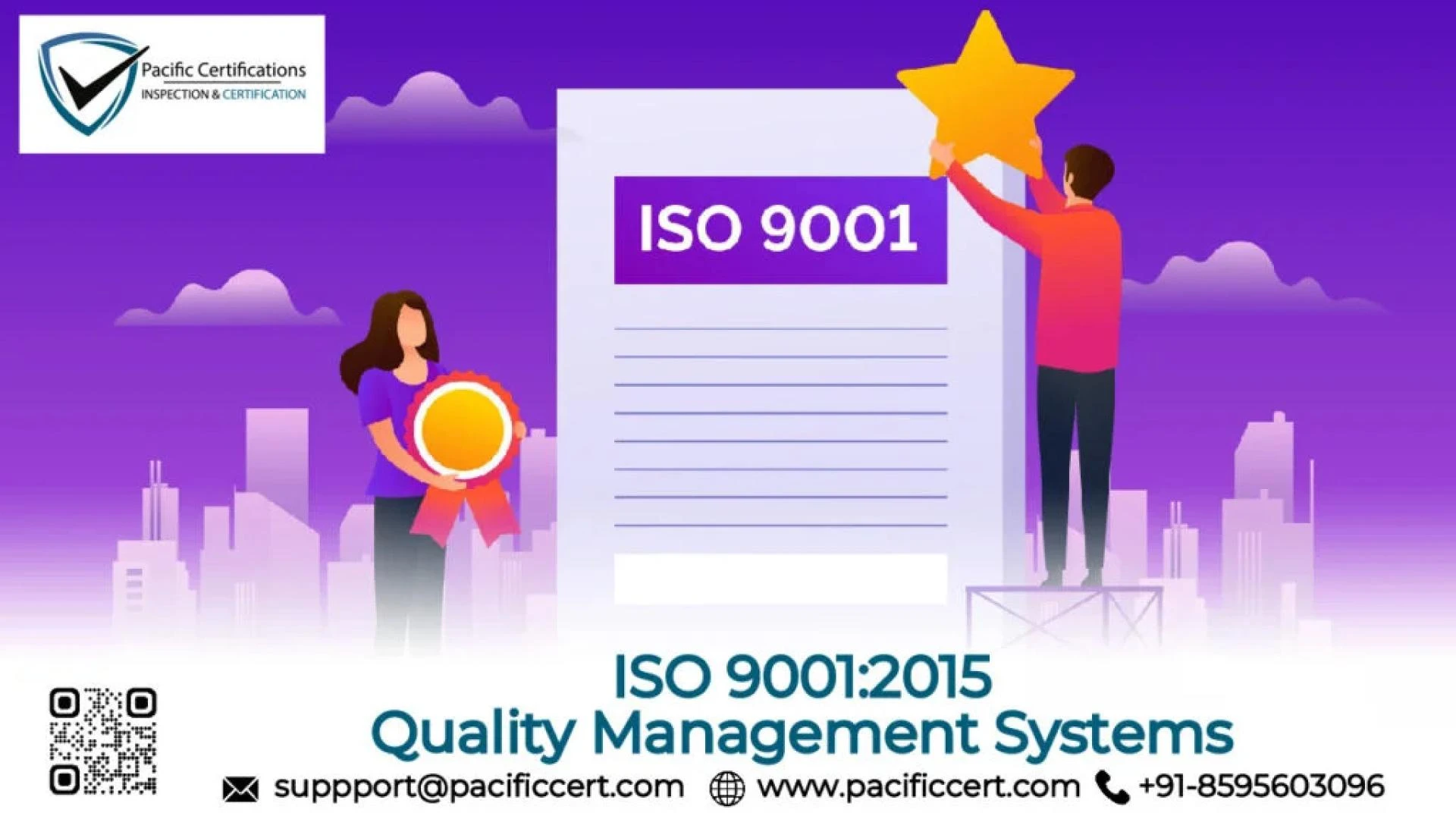
In today’s competitive marketplace, businesses must focus on consistent delivery, customer satisfaction and operational resilience. The standard known as ISO 9001:2015 provides a universally accepted framework to design a robust Quality Management System that supports these goals. Whether you are planning a full-scale rollout or simply assessing where you stand, this article guides you through key considerations around certification cost, training and system readiness.
Assessing Your Organisation’s Readiness for Transition
Before committing to certification, organisations should realistically assess their current state. Key aspects include leadership commitment, process mapping, risk‑based thinking and alignment with customer and stakeholder expectations. A well‑structured Quality Management System already in place makes the journey smoother. Building awareness and ensuring that ISO 9001 Training is provided to relevant staff early on lays a strong foundation for success. Without this, even well‑documented systems can fall short or become “paper‑only” exercises rather than living operational frameworks.
Understanding Certification Cost Realities
One of the most asked‑about factors when pursuing ISO 9001:2015 is the ISO 9001 Certification Cost. It’s important to recognise that the cost goes beyond the auditor’s fee. For smaller organisations, estimates suggest spending from USD 3,000–6,000 for a company with fewer than 10 employees and a single site. Larger organisations, with multiple locations or more complex operations, may face significantly higher costs. Key cost drivers include training, preparation time, external consulting (if used), documentation and audit days. It is advisable to budget not just for initial certification but also for ongoing maintenance and surveillance. Remember: the cost varies by scope, complexity, location and level of internal readiness.
Investing in Training to Empower the Team
Effective implementation of ISO 9001:2015 requires more than policies—it demands people who understand why the design is set up in a particular way. This is where ISO 9001 Training comes in. Training can range from awareness sessions for new personnel, to internal‑auditor courses for quality teams, to lead‑auditor programmes for those who will lead external audits. Well‑executed training ensures your staff can engage with the system, interpret requirements, conduct internal reviews and proactively improve your Quality Management System. Training often pays dividends by reducing non‑conformities and audit surprises, thereby lowering long‑term cost and risk.
Building a Living Quality Management System
A fully functioning Quality Management System aligned with ISO 9001:2015 becomes the organisation’s backbone for delivering value. It brings clarity to how processes interact, how performance is tracked and how improvement happens. It supports leadership in setting direction, resources in delivering effectively, and teams in responding to change. Because ISO 9001:2015 emphasises risk‑based thinking and the organisation’s context, the system must not sit in isolation—it must integrate into day‑to‑day operations. When implemented well, it drives consistency, enhances customer confidence and fosters continual improvement.
Why ISO 9001:2015 Remains the Benchmark
Even though numerous frameworks and management system standards exist, the focus standard continues to be a powerful business asset. Updated to reflect modern business realities, it emphasises the process‑approach, risk‑based thinking and leadership engagement. Organisations that adopt ISO 9001:2015 not only gain certification but also create a culture that drives better performance and positions them favourably in supply chains. For many customers and contract opportunities, having a certified Quality Management System serves as a differentiator.
Conclusion
In summary, embracing ISO 9001:2015 means committing to operational excellence, risk awareness and continual improvement through a structured Quality Management System. While the ISO 9001 Certification Cost and necessary ISO 9001 Training require investment, the payoff comes in enhanced credibility, reduced variability, improved customer confidence and stronger business resilience. Organisations that integrate the standard into their culture and processes truly harness its value rather than treat certification as a one‑time milestone.