



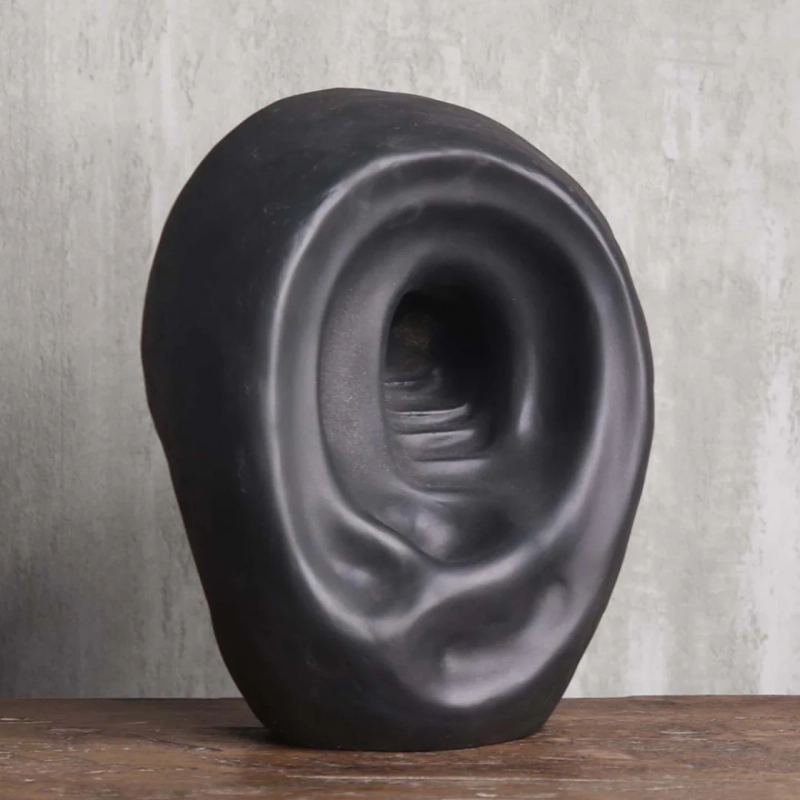
Abstract Sculpture is a captivating form of artistic expression that goes beyond literal representation. Unlike realistic sculptures that depict identifiable subjects such as people, animals, or objects, abstract sculptures emphasize shapes, lines, textures, and movement — allowing viewers to interpret the work through their own perspective and emotions.
Rooted in 20th-century modernism, abstract sculpture has evolved into a powerful medium that bridges the gap between art and imagination, often provoking thought, stirring emotion, and redefining space.
What Is Abstract Sculpture?
Abstract sculpture is a form of three-dimensional art that does not attempt to represent external reality directly. Instead, it uses non-representational forms — geometric patterns, organic curves, fragmented shapes, and symbolic arrangements — to evoke concepts or emotions.
Rather than telling a clear story or depicting a known object, abstract sculptures invite viewers to engage in personal interpretation. The meaning lies not in what is seen, but in what is felt.
Key Characteristics
- Non-figurative: Focuses on form, not realistic figures or objects.
- Expressive: Conveys emotions, energy, or ideas through shape and structure.
- Material Freedom: Artists use a wide range of materials, from bronze and steel to wood, glass, resin, or even recycled materials.
- Dynamic Interaction: The spatial relationship between the sculpture, its surroundings, and the viewer is often central to the experience.
- Open Interpretation: No fixed meaning — the sculpture’s significance can vary from one viewer to another.
History and Evolution
Abstract sculpture emerged in the early 20th century as artists began to move away from traditional realism. Influenced by movements like Cubism, Futurism, and Constructivism, pioneers such as Constantin Brâncuși, Barbara Hepworth, Naum Gabo, and Henry Moore redefined sculpture with simplified forms and innovative use of space.
Over the decades, abstract sculpture has grown into a diverse and experimental art form, embraced in public art installations, galleries, private collections, and architecture worldwide.
Popular Styles in Abstract Sculpture
- Geometric Abstraction: Uses mathematical forms and clean lines; often symmetrical and structured.
- Organic Abstraction: Inspired by nature, with flowing curves and natural shapes.
- Kinetic Sculpture: Incorporates motion or the illusion of movement, engaging the viewer’s sense of time.
- Minimalist Sculpture: Focuses on simplicity, purity of form, and the use of industrial materials.
Why Abstract Sculpture Matters
1. Emotional Engagement
Abstract art connects with viewers on a subconscious level, triggering introspection and emotional response.
2. Visual Impact
Whether placed in a home, office, or public space, abstract sculptures add visual intrigue and contemporary appeal.
3. Creative Freedom
Artists are not limited by physical likeness or reality, allowing for pure artistic exploration.
4. Cultural Relevance
Abstract sculptures often reflect philosophical, political, or spiritual themes in a symbolic, non-literal way.
Where You’ll Find Abstract Sculptures
- Public Spaces: Parks, plazas, and city centers often feature large-scale installations that become landmarks.
- Museums and Galleries: Abstract works are widely exhibited in modern and contemporary art venues.
- Interior Design: Sculptures are used in homes and offices as sophisticated decorative elements.
- Architectural Integration: Some structures incorporate sculptural elements as part of their design.
Collecting and Displaying Abstract Sculpture
If you're looking to incorporate abstract sculpture into your space, consider the following:
- Material and Scale: Choose pieces that complement the room’s scale and design — from tabletop sculptures to garden installations.
- Lighting: Proper lighting enhances form, shadow, and texture.
- Placement: Allow room for viewers to walk around and engage with the piece from different angles.
- Personal Connection: Choose artwork that speaks to your taste or emotions — abstract sculpture is deeply personal.
Conclusion
Abstract sculpture is more than an art form — it’s an experience. It challenges perception, inspires imagination, and invites ongoing dialogue between the artist, the artwork, and the audience. Whether you're a seasoned collector, a curious viewer, or a design enthusiast, abstract sculpture offers a compelling way to explore the world of form beyond the visible.