Seeing the ABS warning light pop up on your dashboard can be unsettling—especially if you’re unsure what it means or whether it’s safe to drive. But thanks to outdated advice, guesswork, and internet half-truths, many drivers still believe myths about this critical safety system.
In this post, we’re busting the seven most common ABS warning light myths and explaining what you really need to know to stay safe and informed.
Myth #1: “The ABS light is just a minor alert—I can ignore it.”
Reality: The ABS (Anti-lock Braking System) is a core safety feature designed to prevent your wheels from locking up during hard braking. When the ABS light comes on, it means the system has detected a fault and has shut itself off.
While your regular brakes may still function, you’ve lost the added control that ABS offers during emergency stops or slippery conditions. Ignoring the light puts you at increased risk in critical driving situations.
Myth #2: “If the car still stops, there’s no problem.”
Reality: This is a dangerous assumption. The ABS system doesn’t help you stop faster—it helps you stop without losing control. Without ABS, you’re more likely to:
- Skid on wet or icy roads
- Lose steering control while braking
- Increase stopping distance during emergencies
Just because your car still brakes doesn’t mean it’s safe. The ABS light is your cue to address the issue before it becomes critical.
Myth #3: “The ABS warning light will turn off by itself eventually.”
Reality: Once triggered, the ABS warning light typically stays on until the problem is fixed. In some rare cases, a temporary glitch may reset after restarting the engine, but most of the time:
- A failed wheel speed sensor
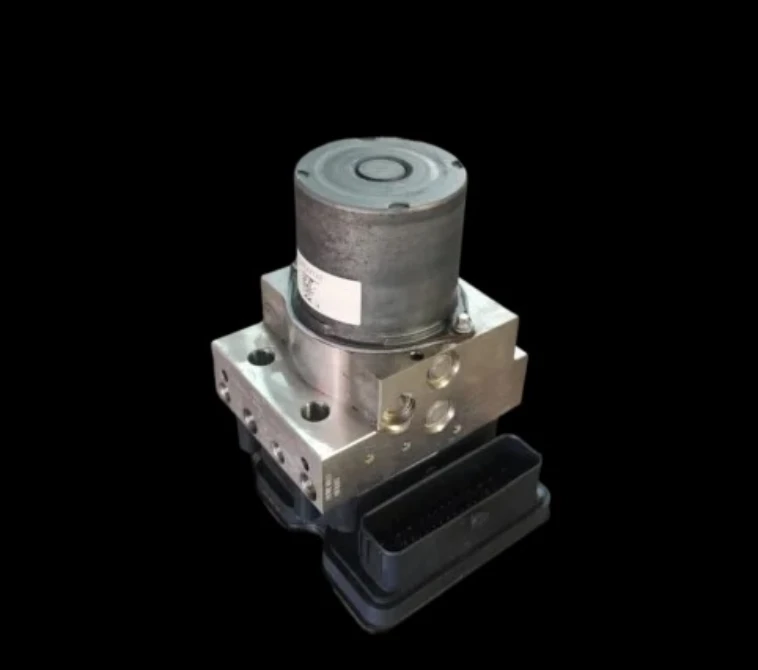
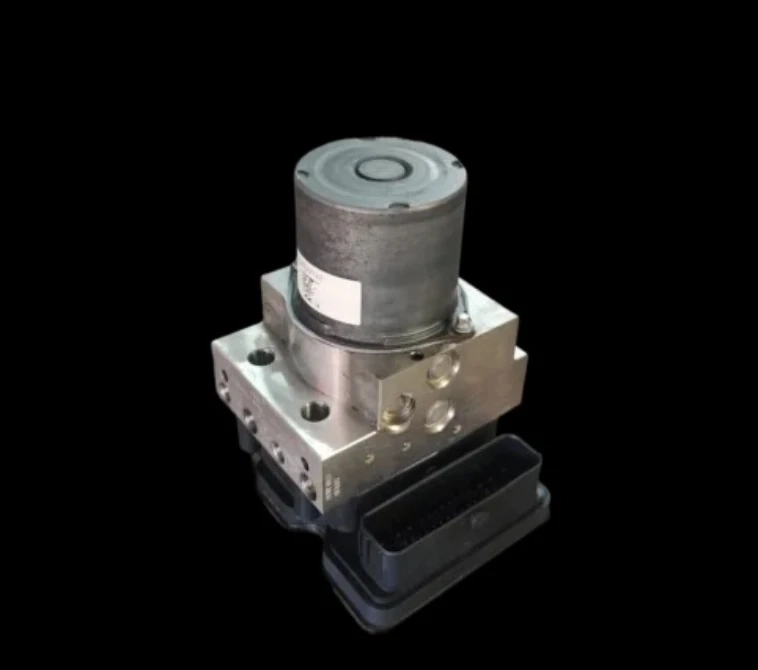
- A faulty ABS control module
- Low brake fluid levels
- Damaged wiring or connectors
...will keep the warning light on. Ignoring it won’t make it go away—it may only get worse.
Myth #4: “It’s fine to drive with the ABS light on—no big deal.”
Reality: It might be fine in ideal conditions, but not when you need to brake hard, avoid a hazard, or drive on slick roads.
With ABS disabled, your wheels can lock up if you slam on the brakes—especially during:
- Rain or snow
- Gravel or sand roads
- Sudden stops on highways
The ABS light is your warning that you’ve lost an essential driving safety feature. Don’t treat it lightly.
Myth #5: “ABS warning means my whole braking system is about to fail.”
Reality: The ABS warning light usually means the anti-lock system has a fault, not the main braking system. Your brakes will still work in most cases—but without the assistance of ABS.
That said, if the red brake warning light appears with the ABS light, that’s more serious. It may point to issues like:
- Critically low brake fluid
- A hydraulic leak
- Brake pad failure
In that case, you should stop driving immediately and get the system inspected.
Myth #6: “ABS repairs are expensive, so I’ll wait until my next service.”
Reality: Some ABS issues are easy and inexpensive to fix. For example:
- Cleaning a dirty wheel speed sensor
- Replacing a blown fuse
- Topping off brake fluid
Putting off repairs could allow a small issue to develop into a much costlier repair, especially if moisture or corrosion spreads to other parts of the system. Early diagnosis saves both money and safety.
Myth #7: “Only a mechanic can figure out what’s wrong.”
Reality: While a professional should ultimately repair the system, you can often diagnose the problem yourself with a basic OBD-II scanner. These small devices plug into your vehicle’s diagnostic port and show you trouble codes.
A typical ABS code might look like:
- C0035 – Left Front Wheel Speed Sensor
- C0265 – ABS Relay Circuit Fault
- C0110 – Pump Motor Circuit Malfunction
With these codes, you can identify whether it’s a sensor, wiring, or fluid issue—before even visiting a shop. Some fixes may even be DIY-friendly if you’re handy.
What to Do When the ABS Warning Light Comes On
If your ABS warning light turns on, here’s a step-by-step checklist to follow:
✅ 1. Restart Your Car
Sometimes a temporary sensor glitch causes the light to turn on. Restarting the engine can reset it—but if it comes back, it’s a real issue.
✅ 2. Check Brake Fluid Levels
Open the brake fluid reservoir and ensure the fluid is at or near the “MAX” line. Use only the type recommended in your owner’s manual.
✅ 3. Inspect Around the Wheels
Look for visible debris, corrosion, or damaged wires near each wheel. Sometimes simply cleaning a sensor area can solve the problem.
✅ 4. Scan for Trouble Codes
Use a handheld OBD-II scanner or visit a garage that can read diagnostic codes. This will narrow down the exact cause of the warning.
✅ 5. Visit a Professional
Even if your car feels fine, a licensed mechanic can test the ABS module, wiring, sensors, and brake fluid pressure to ensure everything is working properly.
Why the ABS Warning Light Should Never Be Ignored
ABS is not a luxury—it’s a safety system that can be the difference between swerving to avoid danger and slamming into it. When this light turns on, your car is telling you something important:
“I can’t help you stop safely in an emergency anymore.”
That’s not just a suggestion. It’s a sign to take action before the road throws something unexpected your way.
Conclusion: Drive Smarter, Not Just Braver
Dashboard lights aren’t there to scare you—they’re there to guide you. The ABS warning light might not scream emergency, but it whispers caution—and that’s enough reason to listen.
Know the myths. Know the facts. Know your car.
And the next time that little amber light turns on, you’ll be ready—not confused, not anxious, and certainly not misinformed.