



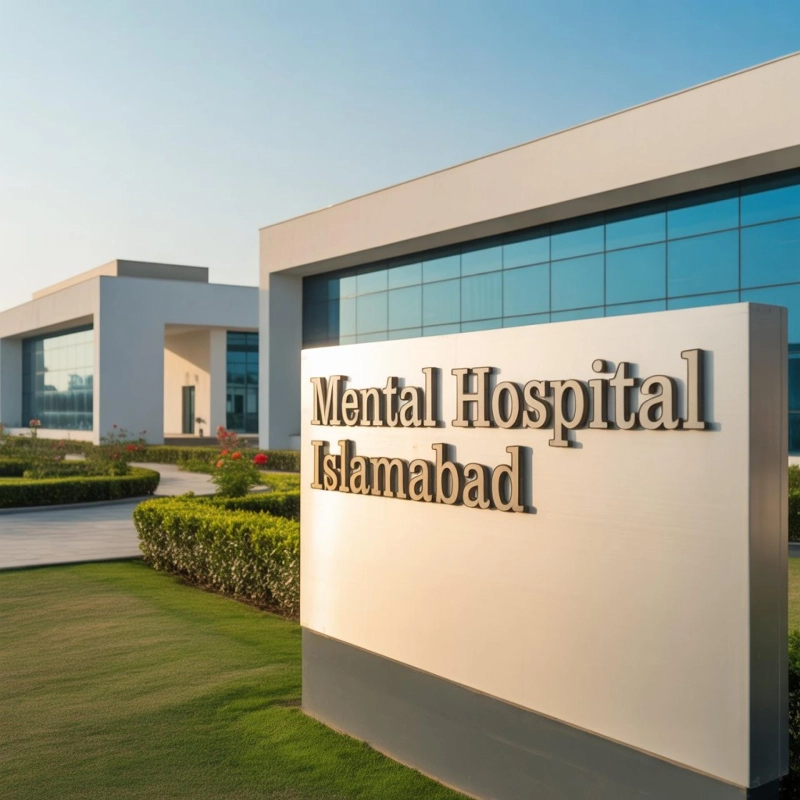
The journey toward mental wellness is often a quiet and deeply personal one. For individuals struggling with severe depression, crippling anxiety, the aftermath of trauma, or other complex psychiatric conditions, the path can feel isolating and overwhelming. When weekly therapy sessions are not enough to manage symptoms that disrupt daily life—affecting one's ability to work, maintain relationships, or simply find peace—a higher level of care becomes necessary. This is where the specialized, compassionate environment of a Mental Health Rehab Center offers more than treatment; it offers a transformative sanctuary dedicated to holistic healing and sustainable recovery.
Beyond Acute Care: The Purpose of Specialized Rehabilitation
It’s important to distinguish a mental health rehabilitation center from a hospital. A hospital provides critical, short-term stabilization for acute crises. A Mental Health Rehab Center, however, is designed for the next, equally vital phase: long-term recovery and functional restoration. It is a residential or intensive outpatient program that provides a structured, therapeutic community where individuals can step away from daily stressors and triggers to focus entirely on their healing.
This immersive setting is its greatest strength. By offering a temporary refuge from the demands and pressures of the outside world, a Mental Health Rehab Center creates a safe container for deep, foundational work. Here, individuals are not just patients; they are active participants in a community of healing, surrounded by peers and professionals who understand their struggles. This environment addresses the core goal of rehabilitation: to equip individuals with the skills, insights, and resilience needed not just to manage symptoms, but to build a fulfilling and engaged life.
The Pillars of Holistic Psychiatric Rehabilitation
What defines an effective mental health rehab program? Excellence is built on several interconnected pillars that address the individual as a whole—mind, body, and spirit.
1. A Multidisciplinary Therapeutic Team:
Recovery is guided by a collaborative team of experts. This includes psychiatrists for medication management and medical oversight, licensed therapists (psychologists, clinical social workers) who provide individual and group therapy, occupational therapists, and dedicated nursing staff. At a premier Mental Health Rehab Center, this team works in unison, holding regular meetings to craft and adjust a single, personalized treatment plan for each resident. This ensures that therapeutic interventions, medication, and life-skills training are perfectly synchronized.
2. Evidence-Based and Experiential Therapies:
Treatment extends far beyond medication management. It incorporates a rich blend of modalities:
- Individual Psychotherapy: Such as Cognitive Behavioral Therapy (CBT) or Dialectical Behavior Therapy (DBT) to reframe negative thought patterns and develop healthy coping skills.
- Group Therapy: Provides powerful peer support, reduces stigma and isolation, and fosters interpersonal learning.
- Family Therapy: Engages loved ones to heal relational dynamics and build a stronger support network for discharge.
- Experiential Therapies: These are key differentiators. Art therapy, music therapy, mindfulness meditation, yoga, and equine-assisted therapy offer non-verbal outlets for expression, reduce stress, and help individuals reconnect with themselves and find joy beyond their diagnosis.
3. Life Skills and Community Reintegration Training:
The ultimate goal is a confident return to independent living. Therefore, a core function of a Mental Health Rehab Center is to teach practical life skills that illness may have eroded. This includes stress management techniques, nutritional education, financial literacy, social skills development, and vocational counseling. Through structured outings and gradual exposure, the center helps residents practice these skills in the real world, rebuilding the competence and self-efficacy needed to thrive outside the therapeutic environment.
The Healing Power of Community and Continuity
One of the most profound therapeutic elements is the community itself. Living alongside others on similar journeys powerfully counters the isolation of mental illness. It fosters empathy, accountability, and the shared, hopeful realization that "I am not alone." This community becomes a microcosm for healthy relationships, providing immediate feedback and support.
Furthermore, a quality center views itself as a launchpad, not a destination. From the beginning, the clinical team develops a comprehensive discharge and aftercare plan. This ensures a seamless transition, connecting individuals with ongoing outpatient therapists, psychiatrists, support groups, and community resources. This commitment to continuity of care is what transforms an intensive treatment episode into the first chapter of a lifelong journey of wellness management.
A Step Toward a Renewed Life
Choosing to enter a Mental Health Rehab Center is not a sign of failure, but a courageous act of self-advocacy and hope. It is a decision to prioritize one’s health with the appropriate level of care. For those feeling stuck in cycles of therapy that aren't enough, or for families watching a loved one struggle without progress, this specialized level of help can be life-changing.
It offers the dedicated time, expert care, and compassionate community needed to heal deep wounds, develop a robust toolkit for mental wellness, and ultimately, rediscover a path toward a life defined not by illness, but by purpose, connection, and resilience. In the safe haven of a rehabilitation center, individuals don't just learn to cope—they learn to live again, with newfound strength and a sustainable vision for their future.