



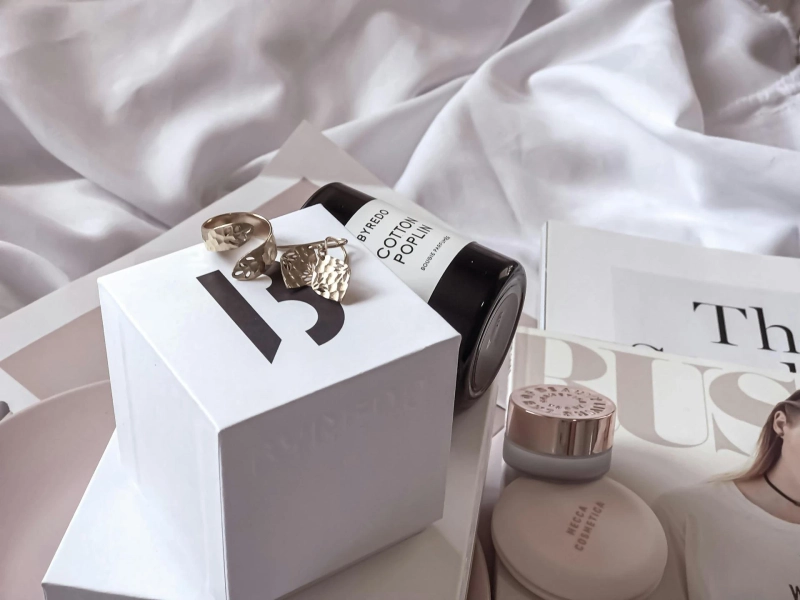
Perfume is a language of memory, emotion, and identity. Each fragrance tells a story through carefully chosen ingredients that evolve over time. To truly appreciate the craftsmanship behind your favorite scents, it’s essential to understand the Perfume notes that make up every bottle. Whether you are a seasoned fragrance enthusiast or a beginner exploring new scents, learning about perfume structure will help you recognize what makes each aroma special. If you are looking for inspiration or want to explore unique fragrances, the best online perfume stores are excellent places to begin your journey into the world of scent.
The Art of Fragrance Composition
Perfume creation is both a science and an art. It involves the careful combination of essential oils, natural extracts, and aromatic molecules to produce a harmonious composition. The process of blending these ingredients is guided by the concept of Perfume notes, which are categorized into three layers: top, middle, and base notes.
Each layer serves a purpose in how a perfume unfolds over time. Just as a song has an introduction, chorus, and finale, a fragrance progresses through stages that reveal its full personality. Understanding this structure allows you to choose perfumes that align with your mood, occasion, and personal style.
The Three Layers of Perfume
1. Top Notes: The First Impression
Top notes are the initial scents you perceive right after spraying a perfume. They form the first impression, giving you a sense of freshness or brightness. These notes are usually light and evaporate quickly, lasting anywhere between 5 to 20 minutes. Common top notes include citrus fruits like lemon, bergamot, and orange, as well as herbal elements such as mint, lavender, and basil.
The purpose of top notes is to create an inviting opening that catches attention. They set the tone for what’s to follow, providing a vibrant start that gradually transitions to the deeper heart of the fragrance.
2. Middle Notes: The Heart of the Perfume
Once the top notes fade, the middle notes (also called heart notes) emerge. These are the true essence of the perfume, forming its core character. Middle notes typically last for several hours and help bridge the freshness of the top with the depth of the base notes.
Floral scents like rose, jasmine, and ylang-ylang are common in this stage. Spices such as cinnamon, cardamom, and nutmeg may also appear to add warmth and complexity. These notes often determine how a perfume makes you feel—whether it’s romantic, energetic, or comforting.
3. Base Notes: The Lasting Memory
The base notes are the foundation of every fragrance, providing richness and longevity. They are usually composed of heavier molecules that evaporate slowly, staying on the skin for many hours or even a full day. Common base notes include musk, amber, vanilla, sandalwood, and patchouli.
These deeper notes are responsible for the long-lasting impression of a perfume. They add warmth, depth, and sensuality to the composition, anchoring the lighter notes that appear earlier in the experience.
How Perfume Notes Work Together
The beauty of a fragrance lies in the transition between its layers. When a perfume is first applied, you smell the top notes immediately. As they evaporate, the middle notes take over and blend seamlessly with the base notes that linger in the background. This evolution of scent is what makes perfume dynamic and personal.
The structure is often visualized as a pyramid. The top is small, representing fleeting notes, while the broad base symbolizes the long-lasting foundation. This pyramid is what perfumers use to design fragrances that tell a story from the first spray to the final trace on your skin.
The Importance of Balance in Perfume Creation
For a perfume to be truly captivating, it must maintain balance among its layers. If the top notes are too strong, they may overpower the heart. If the base notes dominate, the perfume may feel heavy or overwhelming. Achieving harmony between freshness, warmth, and depth is what separates a good perfume from an exceptional one.
This is where the artistry of perfumers shines. They meticulously adjust ratios and combinations to ensure each stage transitions smoothly. Their expertise allows them to craft perfumes that evoke emotions, memories, and moods.
Exploring Perfume Families
Every perfume falls into a specific fragrance family based on its dominant notes. Understanding these categories helps you find scents that align with your preferences.
1. Floral Family
Floral perfumes are timeless and elegant, featuring notes like rose, jasmine, and lily. They are often associated with femininity, romance, and grace. Some floral compositions are light and airy, while others are deep and sensual, depending on the supporting notes.
2. Oriental Family
Oriental or amber perfumes are warm, spicy, and exotic. They combine notes of vanilla, amber, resins, and spices to create a rich, opulent aroma. These scents are ideal for evening wear or special occasions due to their luxurious intensity.
3. Woody Family
Woody perfumes are earthy, grounded, and sophisticated. They typically feature notes like sandalwood, cedarwood, and patchouli. These fragrances are often unisex, evoking a sense of calm and confidence.
4. Fresh Family
Fresh fragrances are light and invigorating, incorporating citrus, green, and aquatic notes. They are perfect for daytime use or warmer climates, giving off a clean and energizing feel.
5. Chypre Family
The chypre family blends citrus top notes with earthy and mossy base notes like oakmoss and patchouli. These perfumes are complex, elegant, and timeless, often appealing to those with refined tastes.
The Science Behind Perfume Notes
Perfume creation involves chemistry as much as artistry. Perfumers must understand how molecules interact with one another and with the skin. Certain ingredients evaporate faster, which is why they belong in the top layer, while heavier molecules stay longer, forming the base.
Temperature, humidity, and skin pH can influence how these notes unfold. That’s why the same perfume may smell slightly different on two people. The chemistry between your skin and the fragrance is unique, making every scent a personal experience.
Choosing Perfumes Based on Notes
When exploring perfumes, pay attention to the notes listed in the description. This information can guide you toward fragrances that match your preferences.
For example:
- If you love freshness, look for citrus or green top notes.
- If you prefer something romantic, choose floral heart notes.
- If you enjoy depth and sensuality, pick perfumes with amber or woody base notes.
When shopping at the best online perfume stores, you can often filter fragrances by their note composition. This makes it easier to find scents that fit your personality and lifestyle.
The Emotional Power of Scent
Scent is deeply connected to memory and emotion. A single whiff can take you back to a moment in time or evoke feelings you didn’t expect. This is why perfume holds such emotional significance. The top notes might remind you of a summer vacation, while the base notes may bring a sense of comfort or nostalgia.
Understanding Perfume notes allows you to choose fragrances that reflect your emotions and tell your personal story through scent. Whether you want to feel confident, relaxed, or romantic, the right combination of notes can enhance your mood and presence.
How to Identify Perfume Notes
If you want to train your nose to recognize Perfume notes, start by smelling individual ingredients. Visit fragrance boutiques or order sample sets from the best online perfume stores that include a range of note types. Take time to observe how the scent changes from the first spray to several hours later.
You can also keep a scent diary to note your impressions. Over time, you will develop an understanding of what notes you naturally gravitate toward.
Why Some Perfumes Become Timeless
Certain perfumes achieve legendary status because of their perfect balance of notes. They resonate with people across generations and remain relevant despite changing trends. These iconic scents usually have a strong identity built on well-crafted layers that unfold beautifully.
Timeless perfumes often belong to the floral, woody, or chypre families. Their compositions are sophisticated yet familiar, making them universally appealing. This is why they continue to top the bestseller lists at the best online perfume stores year after year.
The Evolution of Perfume Trends
While the structure of perfume remains constant, trends evolve with time. Modern perfumers experiment with unconventional ingredients and blends, pushing boundaries to create new experiences. Gourmand perfumes that include edible notes like chocolate or caramel have gained popularity in recent years. Similarly, minimalist compositions that focus on a few clean notes are now favored for their simplicity.
Despite these evolving trends, the foundation of Perfume notes remains timeless. Every modern innovation still relies on the classic pyramid of top, middle, and base layers.
Tips for Making Your Perfume Last Longer
To get the most out of your fragrance, consider these simple tips:
- Apply on Pulse Points: Areas like the wrists, neck, and behind the ears generate heat, which helps diffuse the scent.
- Moisturize Your Skin: Perfume lasts longer on hydrated skin. Use an unscented lotion before applying.
- Don’t Rub Your Wrists Together: This breaks down the molecules and alters the scent profile.
- Layer Fragrances: Use complementary body lotions or oils to enhance longevity.
- Store Properly: Keep your perfume in a cool, dark place away from sunlight to preserve its integrity.
The Role of Online Shopping in Perfume Discovery
Online shopping has transformed how people discover and buy perfumes. The best online perfume stores offer detailed descriptions, customer reviews, and sample programs that make exploring new fragrances easier than ever. Many also categorize perfumes by notes, allowing you to find options that match your taste quickly.
These stores often feature exclusive collections, niche brands, and limited editions that might not be available locally. This convenience makes them a valuable resource for anyone passionate about discovering new scents.
Conclusion
Perfume is more than a pleasant aroma; it is a form of art that captures emotion, memory, and identity in a bottle. Understanding Perfume notes helps you appreciate this artistry by revealing the structure behind every fragrance. From the light sparkle of citrus top notes to the deep warmth of amber and musk, each layer contributes to the story your scent tells.
Exploring perfumes through the best online perfume stores opens the door to endless possibilities. You can discover scents from around the world, experiment with new compositions, and find fragrances that truly represent your individuality.
In the end, perfume is not just about smelling good—it’s about expressing who you are. Every note, every layer, and every lasting trail on your skin tells a story that’s uniquely yours. Understanding these building blocks allows you to not only wear perfume but to experience it as a journey, one that connects you deeply with the world of scent.