



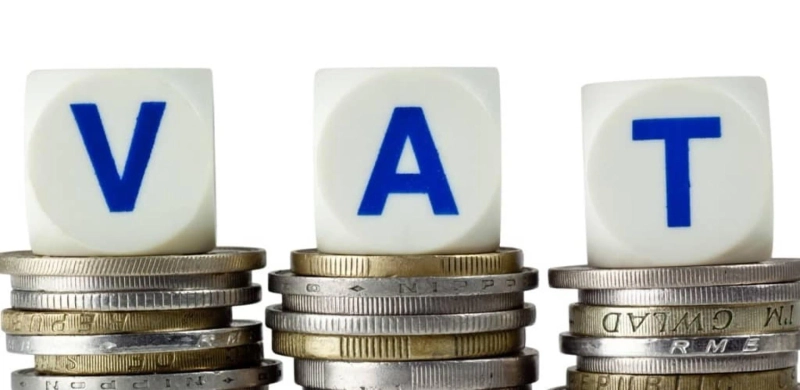
Value Added Tax (VAT) is a type of consumption tax that is imposed on the sale of goods and services. It is collected by businesses on behalf of the government and is typically charged as a percentage of the value of the goods or services sold. In many countries around the world, VAT registration number is mandatory for businesses that exceed a certain turnover threshold. In this article, we will explore the basics of VAT registration and its importance for businesses.
What is VAT registration?
VAT registration is the process by which a business applies to become a registered VAT payer. This involves submitting an application to the tax authority in the country where the business is located. Once registered, the business will be issued a unique VAT registration number, which must be included on all invoices and other relevant documents.
Why is VAT registration important?
There are several reasons why VAT registration is important for businesses. Firstly, it is often a legal requirement. In many countries, businesses are required to register for VAT once they exceed a certain turnover threshold. Failure to register can result in penalties and fines.
Secondly, VAT registration allows businesses to reclaim the VAT they pay on goods and services they purchase for their business. This can be a significant amount of money, particularly for businesses that incur a lot of expenses. Without VAT registration, businesses cannot claim back this VAT.
Finally, VAT registration can improve a business\'s credibility with customers and suppliers. Being a registered VAT payer can be seen as a sign of professionalism and financial stability.
How to register for VAT?
The process of registering for VAT varies depending on the country where the business is located. In general, however, businesses will need to provide certain information when they apply for VAT registration. This may include:
- Business name and address
- Business type (e.g. sole trader, limited company)
- Turnover for the previous 12 months
- Details of any previous VAT registration
- Bank details
Businesses may also be required to provide additional information, such as evidence of their business activities, depending on the specific requirements of the tax authority.
Once the application has been submitted, it can take several weeks for the tax authority to process the application and issue a VAT registration number. Once registered, businesses must ensure they comply with the relevant VAT regulations, including charging the correct amount of VAT on their sales and submitting regular VAT returns.
Conclusion
VAT registration is an important process for businesses that are required to charge VAT on their sales. It allows businesses to reclaim VAT they pay on expenses, can improve their credibility, and is often a legal requirement. If your business is approaching the turnover threshold for VAT registration near me , it is important to understand the requirements for registration in your country and to ensure you comply with the relevant regulations once registered.
It is also important to note that different countries have different VAT rates and regulations. Therefore, businesses must ensure that they understand the VAT rules in the countries where they operate or trade. For example, some countries may have different VAT rates for different types of goods or services, or they may have different rules for VAT exemptions.
In addition, businesses that trade internationally may be required to register for VAT in multiple countries. This can add complexity to the VAT registration and compliance process, as businesses must navigate different rules and regulations in each country.
Overall, VAT registration is an important process for businesses that are required to charge VAT on their sales. It can provide several benefits, including the ability to reclaim VAT on expenses and improved credibility with customers and suppliers. Businesses should ensure they understand the VAT rules in the countries where they operate or trade, and comply with the relevant regulations once registered.
Furthermore, businesses should also keep accurate and detailed records of all VAT transactions, including sales, purchases, and VAT payments. This is important for calculating the correct amount of VAT owed, as well as for completing VAT returns and audits. Failure to keep accurate records can result in penalties and fines.
In some cases, businesses may also be eligible for VAT refunds. For example, if a business exports goods to a country where VAT is not charged, it may be able to claim a refund of the VAT paid on expenses related to those exports. However, the rules and procedures for VAT refunds can be complex, and businesses should seek professional advice to ensure they comply with the relevant regulations.
In conclusion, VAT registration is an important process for businesses that are required to charge VAT on their sales. It is a legal requirement in many countries, and can provide several benefits, including the ability to reclaim VAT on expenses and improved credibility with customers and suppliers. However, businesses must ensure they understand the rules and regulations for VAT in their country or countries of operation, keep accurate records, and comply with the relevant requirements to avoid penalties and fines.
Finally, businesses should also be aware of any changes to VAT rules and regulations in their country or countries of operation. Governments can adjust VAT rates and regulations in response to economic conditions or other factors, and businesses must be prepared to adjust their practices accordingly.
In recent years, there has been a trend towards the digitization of VAT systems, with many countries introducing online VAT reporting and payment systems. This can make the cheap VAT registration and compliance process more efficient, but businesses must also ensure they have the necessary technology and expertise to manage these systems effectively.
Overall, VAT registration and compliance can be complex, but it is essential for businesses that are required to charge VAT on their sales. By understanding the rules and regulations in their country or countries of operation, keeping accurate records, and complying with the relevant requirements, businesses can ensure they meet their VAT obligations and avoid penalties and fines.