



Introduction to Electronic Interlocking Systems
In the vast network of railways, the importance of a reliable and efficient signalling system cannot be overstated. The Electronic Interlocking System in Railways stands as a cornerstone in this arena, ensuring that train movements are conducted safely and efficiently. Unlike traditional mechanical or relay-based systems, EI systems use electronic circuits to control and manage the movement of trains, making them more flexible, reliable, and easier to maintain.
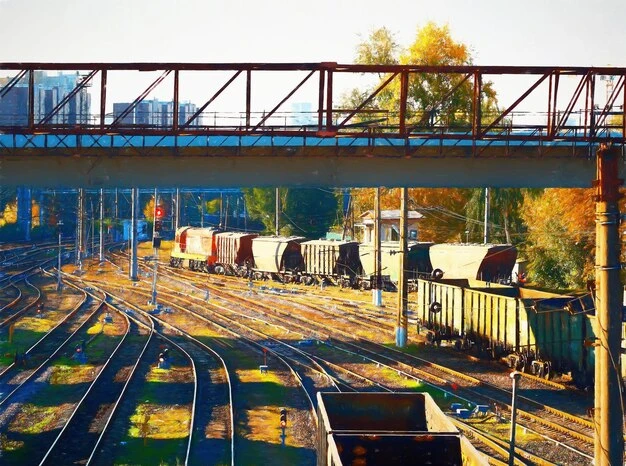
Electronic Interlocking System in Railways
The essence of an Electronic Interlocking system lies in its ability to prevent conflicting train movements through a sophisticated arrangement of signals and tracks. By using advanced software algorithms and hardware components, EI systems are designed to respond to the ever-changing demands of railway traffic, ensuring that no two trains are routed to the same track simultaneously, thereby averting potential accidents.
The Role of Electronic Interlocking Systems in Railways
The transition from conventional mechanical signalling to Electronic Interlocking systems has marked a significant technological leap for railways globally, and India is no exception. Indian Railways, one of the largest railway networks in the world, has gradually embraced EI systems to replace outdated signalling methods.
In Indian Railways, the deployment of EI systems has led to a marked improvement in operational efficiency. The system’s ability to automate signal operations reduces human error, one of the primary causes of railway accidents. Additionally, EI systems can be integrated with centralized traffic control systems, allowing for real-time monitoring and management of train movements across extensive railway networks.
The implementation of Electronic Interlocking systems in Indian Railways has also enabled better management of increasing rail traffic, especially in high-density corridors. These systems facilitate quicker route setting and reset operations, minimizing the delay between successive train movements and improving overall punctuality—a critical factor in a network as busy as Indian Railways.
Contribution of Railway Automation Companies
The development and implementation of Electronic Interlocking systems would not be possible without the contributions of specialized Railway Signalling Automation Companies . These companies are at the forefront of designing, manufacturing, and installing the hardware and software components necessary for the functioning of EI systems.
Among these companies, Sensedge plays a pivotal role. Known for its innovation and commitment to safety, Sensedge has been instrumental in advancing railway signalling technologies in India. The company’s expertise in creating cutting-edge interlocking solutions has significantly contributed to the modernization of Indian Railways.
Sensedge’s EI systems are designed to meet the stringent safety and operational requirements of Indian Railways. The company’s focus on Research and Development (R&D) ensures that its products are not only compliant with international standards but are also tailored to address the unique challenges posed by the Indian railway infrastructure.
Moreover, Sensedge’s systems are known for their robustness and reliability, essential traits in a country where railway operations are often subject to extreme weather conditions and diverse geographical terrains. The company’s ability to deliver customized solutions has made it a trusted partner of Indian Railways in its quest to enhance safety and efficiency.
Indian Railway Signalling Systems and the Future of EI
Indian Railway Signalling systems have undergone substantial changes over the years, with Electronic Interlocking systems representing one of the most significant advancements. The integration of EI systems with other modern signalling technologies, such as Train Protection and Warning Systems (TPWS) and Automatic Train Control (ATC), has further elevated the safety and operational standards of Indian Railways.
The future of Indian Railway signalling lies in the continued expansion and refinement of Electronic Interlocking systems. As rail traffic continues to grow, there will be an increasing demand for more sophisticated and scalable EI solutions. This evolution will require ongoing collaboration between Indian Railways and railway automation companies like Sensedge, who are committed to pushing the boundaries of what is possible in railway signalling.
Conclusion
The adoption of Electronic Interlocking systems in Indian Railways marks a significant step towards a safer and more efficient railway network. These systems have revolutionized the way train movements are controlled, reducing the risk of accidents and improving the overall punctuality of services.
Railway automation companies, particularly Sensedge, have been at the forefront of this technological transformation. Their expertise in designing and implementing advanced signalling systems has played a crucial role in modernizing Indian Railways and will continue to do so as the network expands and evolves.
As India’s railway infrastructure continues to develop, the role of Electronic Interlocking systems will only become more critical. With the support of innovative companies like Sensedge, Indian Railways is well-positioned to meet the challenges of the future, ensuring that it remains one of the safest and most efficient railway networks in the world.