



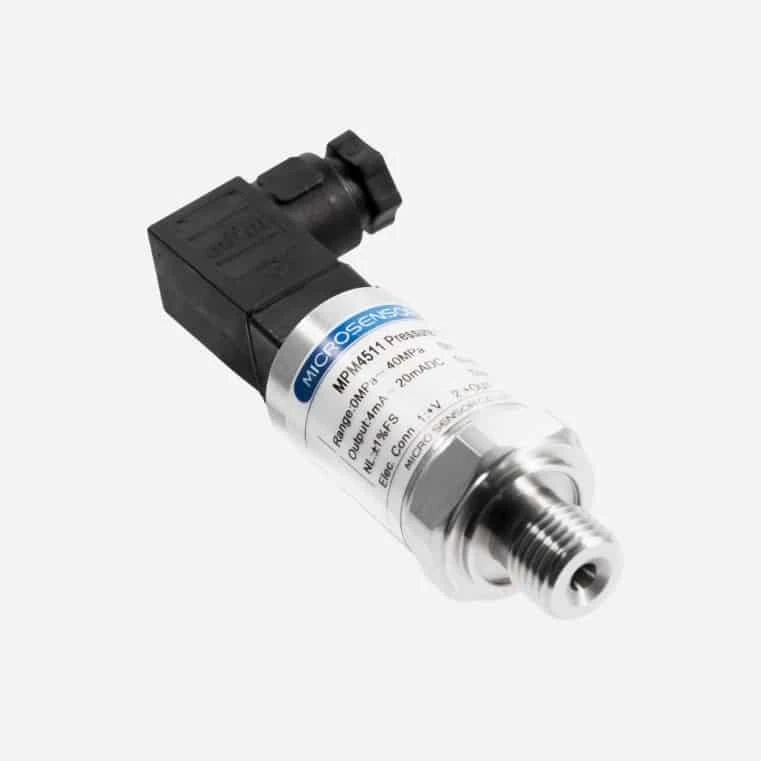
Pressure transducers can be found in many different industrial setups. They are used in countless processes to make a system efficient and safe. But when these silent sentinels falter, problems crop-up and swell into a waterloo. A precautious system management plan must have someone on ready to troubleshoot sensitive equipment before hell breaks loose. Please discover the steps and strategies to troubleshoot a faltering pressure transducer in this guide.
Isolate the Issue
Troubleshooting a pressure transducer involves diagnosing the issue interfering with the device’s optimal functioning and applying the appropriate remedial solution to get it in good working order. To isolate the issue, use the steps below:
- Begin by identifying the symptoms plaguing your transducer. Has the device lost signal? Is the response sluggish? Are the readings erratic or is it something else? Whatever the symptom, you’ll be able to connect it to specific culprits.
- See if there’s any leak, or excessive vibrations, extreme temperatures, or incompatible media. Don’t overlook the power of a thorough environmental audit.
- Go through the maintenance record to see just how long ago the device was calibrated. Perhaps it’s long overdue for one or it could be that a recent recalibration is the one causing issues.
Identify Culprits
Depending on the symptom established, you can identify the thing(s) causing problems and apply appropriate solutions.
- Trouble with the wiring. If you see loose connections, damaged cables, or incorrect polarity, then you are dealing with wiring woes. Please get rid of any wiring that does not meet the manufacturer\'s specifications and is not appropriate for the environment.
- Power Play. If you discover signal interruptions during diagnosis, verify that the power supply voltage or current matches the transducer\'s requirements. Fluctuations or inadequate power can disrupt signal output.
- Signal journey. Follow the signal path from the transducer to the receiving unit. Look for broken connections, noise interference, or grounding issues.
- Testing Times. Depending on the transducer type, simple tests can be performed. For voltage output transducers, use a multimeter to compare measured voltage to expected values. For current output models, check the current loop continuity and output range.
- Manual Magic. Consult your transducer\'s manual for specific troubleshooting steps and recommended procedures. Manufacturers often provide valuable insights for their specific models. If you misplaced yours already, pull up the product website and look for the manual or call the manufacturer for instructions.
With this guide as your trusty map, you\'ll be navigating the mess that’s pressure transducer woes with newfound confidence. Keep calm, troubleshoot smart, and your pressure transducer thingy will be singing like a canary.
Remember: If after employing these troubleshooting techniques, the problem persists, seek professional help. Consulting a qualified technician or contacting the manufacturer for support can get your pressure readings back on track and your systems humming again. Microsensor technicians are here for you.
Call today to speak with a qualified pressure transducer technician and get help be it finding the best transducers for your project or troubleshooting and fixing issues.