



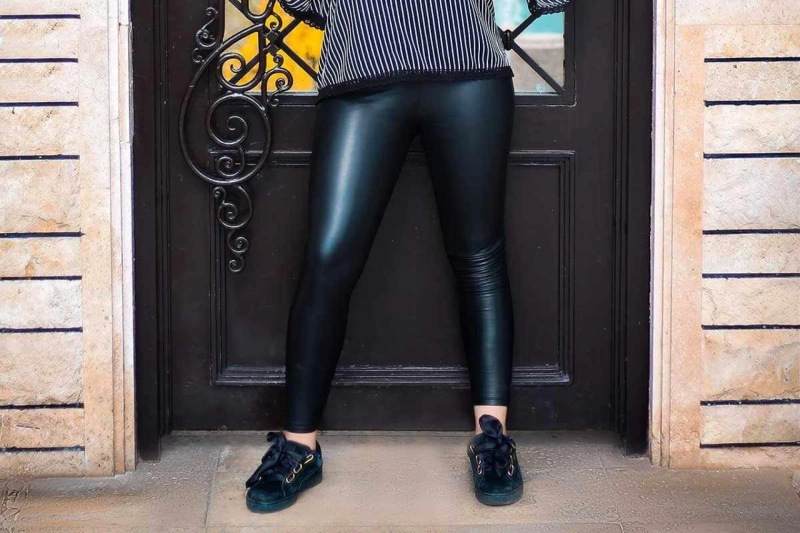
Leather trousers are timeless wardrobe staples known for their durability and classic style. However, achieving the perfect fit can be a challenge due to variations in body shapes and sizes. Fortunately, with the right alteration techniques, you can customize leather trousers to suit your unique measurements and preferences. In this comprehensive guide, we will explore various alteration techniques for leather trousers, ensuring a tailored fit and stylish appearance.
Assessing the Fit:
Before beginning any alterations, carefully assess the fit of your leather trousers. Pay attention to areas that feel too tight or loose, such as the waist, hips, thighs, and length. Identifying specific areas for adjustment will guide your alteration process effectively.
Gathering the Necessary Tools and Materials:
To successfully alter leather trousers, you\'ll need specialized tools and materials suited for working with leather. These may include a leather sewing machine or heavy-duty sewing needles, sharp scissors or a rotary cutter, leather-specific thread, pins, tailor\'s chalk or a fabric marker, and any additional hardware such as zippers or buttons.
Taking Accurate Measurements:
Accurate measurements are essential for achieving a precise fit when altering leather trousers. Measure your waist, hips, inseam, and desired length, ensuring to account for any adjustments needed. Use a flexible measuring tape for accurate results.
Shortening Leather Trousers:
Shortening leather trousers requires careful attention to detail to maintain the integrity of the garment. Mark the desired length using tailor\'s chalk or a fabric marker, ensuring to leave ample allowance for the hem. Use sharp scissors or a rotary cutter to cut the excess length, keeping the cut straight and clean. Fold and press the hem before sewing it in place with a leather sewing machine or heavy-duty needle.
Adjusting the Waist:
If the waist of your leather trousers is too tight or loose, you can make adjustments to achieve a comfortable fit. To take in the waist, carefully seam rip the waistband and side seams, then remove excess fabric before re-sewing the seams with a leather sewing machine or heavy-duty needle. Conversely, to let out the waist, consider adding fabric inserts or adjusting the side seams accordingly.
Slimming the Legs:
If your leather trousers have overly wide legs, you can slim them down for a more tailored look. Mark the desired width along the inseam and outer seam, tapering gradually towards the ankle. Seam rip the existing seams and adjust them to the marked measurements before sewing them back together with leather-specific thread.
Adding or Replacing Hardware:
Hardware such as zippers, buttons, and snaps can enhance the functionality and style of leather trousers. If necessary, replace worn-out hardware or add new elements for a personalized touch. Use heavy-duty sewing techniques to ensure hardware is securely attached to the leather fabric.
Finishing Touches:
Once alterations are complete, give your leather trousers a final press to ensure smooth seams and a polished appearance. Wear them and adjust as needed to ensure a comfortable and flattering fit.
Conclusion:
Altering leather trousers requires specialized techniques and tools, but with patience and attention to detail, you can achieve a customized fit that enhances your style and comfort. Use this comprehensive guide as a reference to confidently tackle alterations and breathe new life into your leather trousers, ensuring they remain timeless wardrobe staples for years to come.