



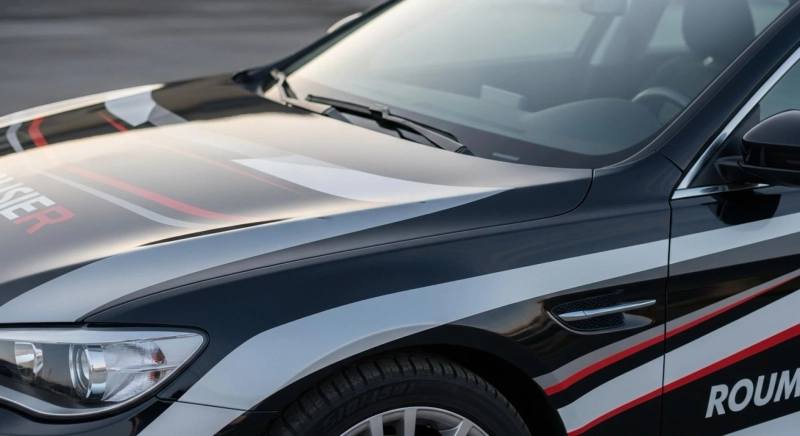
Vehicle wrapping has become a popular choice for both businesses and individuals looking to transform their vehicles with a bold, personalized look. Whether for advertising purposes, customization, or simply a color change, vehicle wraps offer a versatile and cost-effective solution. This guide will explore the ins and outs of vehicle wrapping, including its benefits, process, maintenance, and why it’s becoming the go-to choice for many car owners and businesses alike.
What is Vehicle Wrapping?
Vehicle wrapping refers to the process of applying a large vinyl sheet over the exterior of a vehicle. It’s available in various forms, from full wraps that cover the entire vehicle to partial wraps that target specific areas. One of the most exciting aspects of vehicle wrapping is the ability to change the car's appearance without the permanence of traditional paint jobs.
There are several types of vehicle wraps:
- Full wraps: Cover the entire surface of the vehicle with a design, often used for complete color changes or extensive graphic designs.
- Partial wraps: Only cover specific areas, such as the hood, roof, or sides, to add accents or branding.
- Color change wraps: Aesthetic wraps that completely alter the car’s appearance, often in matte, gloss, or satin finishes.
- Advertising wraps: Custom designs for businesses looking to promote their services on the move. These wraps can be as intricate as the business wants, providing great visibility.
Vinyl is the most common material used for vehicle wraps, offering flexibility and durability. The vinyl is often printed with custom designs, creating vibrant, detailed graphics that adhere smoothly to the vehicle’s surface. Eco-friendly options are also available, ensuring that wraps are both sustainable and visually striking.
Benefits of Vehicle Wrapping
Vehicle wraps offer several key advantages that make them an attractive option for car owners and businesses alike:
- Customization: Vehicle wraps allow for a completely personalized look. Whether you’re looking to change your car’s color, display a logo, or make a statement with custom graphics, wraps provide endless possibilities.
- Advertising Potential: Wraps are a mobile advertising powerhouse. Businesses can turn their vehicles into moving billboards, increasing brand awareness wherever the vehicle travels. It's an effective and relatively inexpensive form of advertising that can reach a wide audience.
- Protection for Vehicle Paint: One of the less obvious but important benefits of vehicle wraps is the protection they provide to the car’s original paint. The vinyl acts as a protective layer that shields the paint from UV rays, road debris, and minor scratches.
- Cost-Effective Alternative to Repainting: Repainting a car can be costly and time-consuming. Vehicle wraps are more affordable, especially when you consider the ability to remove them and return the vehicle to its original state without damaging the underlying paint.
- Quick Installation: Compared to a traditional paint job, vehicle wraps can be installed quickly, often in just a few days, minimizing vehicle downtime.
Vehicle Wrapping for Businesses: The Power of Mobile Advertising
For businesses, vehicle wrapping is one of the most effective forms of advertising. It allows companies to market their brand in a way that is dynamic and engaging. Imagine a service vehicle traveling through neighborhoods, highways, and business districts—everywhere it goes, it’s working as a billboard, providing constant exposure to potential customers.
Numerous brands have used vehicle wraps to build recognition, such as local plumbers, delivery services, or even large corporations using fleets of wrapped vehicles to promote their logo and services. According to a study by the Outdoor Advertising Association of America, 96% of people surveyed notice vehicle ads, making them a highly effective tool for businesses looking to enhance their visibility.
How Long Does a Vehicle Wrap Last?
The longevity of a vehicle wrap depends on several factors, including the quality of the vinyl, the installation process, and how well the vehicle is cared for. On average, a high-quality vehicle wrap can last between 5 to 7 years. However, exposure to harsh sunlight, extreme weather, and frequent washing can affect the wrap’s lifespan.
Proper maintenance is key to extending the life of a vehicle wrap. Regular cleaning and protecting the vehicle from excessive exposure to the elements can help keep the wrap looking fresh for longer. Additionally, opting for professional installation ensures the wrap is applied smoothly and securely, contributing to its durability.
The Process of Vehicle Wrapping: What to Expect
Installing a vehicle wrap involves several steps:
- Design and Concept: The first step is creating a custom design. This could involve adding logos, graphics, or opting for a full color change.
- Preparation: The vehicle is thoroughly cleaned and prepped to ensure the vinyl adheres correctly.
- Wrap Application: A professional installer applies the vinyl wrap using specialized tools. The wrap is smoothed onto the vehicle to eliminate air bubbles and wrinkles.
- Final Inspection: After the wrap is applied, it undergoes a final inspection to ensure every detail is perfect.
The entire process typically takes between 1 to 3 days, depending on the complexity of the wrap.
Vehicle Wrap Maintenance: How to Keep It Looking New
To ensure that your vehicle wrap stays in great condition, follow these maintenance tips:
- Clean Regularly: Use a soft cloth and mild soap to wash your vehicle, avoiding abrasive materials or harsh chemicals.
- Protect from UV Rays: Park the vehicle in shaded areas whenever possible to prevent the wrap from fading or degrading due to prolonged sun exposure.
- Quickly Address Damage: If the wrap gets damaged, it’s best to address it immediately to prevent further deterioration.
Common Misconceptions About Vehicle Wrapping
Despite its growing popularity, some common myths about vehicle wrapping persist:
- "Vehicle wraps damage the paint": In reality, vehicle wraps protect the original paint and can be removed without causing damage to the underlying surface.
- "Vehicle wraps are expensive": While they may cost more upfront than a basic paint job, they are generally more affordable than high-quality repainting and last longer.
- "Vehicle wraps are difficult to remove": Professional installers can easily remove wraps, leaving the original paint intact.
Conclusion: Is Vehicle Wrapping Right for You?
Vehicle wrapping is a fantastic option for anyone looking to personalize their car or promote their business. With its customization options, cost-effectiveness, and protective benefits, it’s no wonder that vehicle wraps have become a popular choice. Whether you’re looking to change your car’s look or turn your vehicle into a mobile billboard, vehicle wraps offer a smart, durable solution.
Frequently Asked Questions (FAQs)
- How long do vehicle wraps last?
Vehicle wraps typically last 5-7 years, depending on maintenance and environmental exposure.
2.Can I remove a vehicle wrap myself?
It’s best to have a professional remove the wrap to avoid damaging the paint.
3.Are vehicle wraps safe for the paint?
Yes, they actually protect the paint by shielding it from UV rays and road debris.
4.How much do vehicle wraps cost?
On average, vehicle wraps range from $1,500 to $5,000, depending on the vehicle size and design complexity.
5.Can vehicle wraps be applied to all cars?
Most vehicles can be wrapped, but the design and installation process may vary based on the size and shape of the vehicle.