


Steel is the backbone of global infrastructure. From bridges and airports to warehouses, oil plants, and skyscrapers — steel stands behind every major engineering breakthrough the modern world relies on. What makes it even more exceptional is its ability to transform into highly precise, custom-engineered components through a process known as steel fabrication in Dubai. Whether you are a contractor, industrial buyer, or simply curious about how steel becomes the structure we see around us, this guide takes you through steel fabrication step by step — from raw material to finished build.
Steel fabrication is more than just cutting metal; it’s a combination of science, engineering, and craftsmanship. It requires accuracy, advanced machinery, skilled labor, and strict compliance with industry standards. When done correctly, it produces structures that last decades, withstand extreme weather, and carry tremendous load capacity. Let’s explore how the process works, why it is preferred globally, and where it finds its strongest applications.
Understanding Steel Fabrication
Steel fabrication refers to the process of converting raw steel into predefined shapes, parts, and components that can be used for construction or manufacturing. Think of it as converting a block of material into something useful — beams, columns, trusses, ladders, platforms, tanks, pipelines, and more.
Fabricators work with different grades of steel depending on strength requirements, corrosion resistance, temperature conditions, and the environment in which the finished product will be used. Instead of constructing from scratch onsite, fabrication means everything can be cut, bent, drilled, welded, and assembled in controlled factory conditions. The result? Precision, speed, safety, and remarkable consistency.
Steel fabrication involves multiple sequential stages which ensure the material transforms accurately from design to execution.
The Steel Fabrication Process
Though requirements vary by project, most fabrication cycles follow these primary stages:
1. Designing & Drafting
It all begins with a plan. Engineers create technical drawings and 3D models using CAD/CAM software. Every dimension, connection point, and tolerance is calculated in advance. Clear drawings minimize material waste, prevent design conflicts, and accelerate fabrication.
2. Material Selection
Fabricators choose steel grades based on the project’s end-use. For example, mild steel is ideal for general structural work, stainless steel is chosen for corrosion resistance, and alloy steels are used when durability under high stress is required.
3. Cutting & Shaping
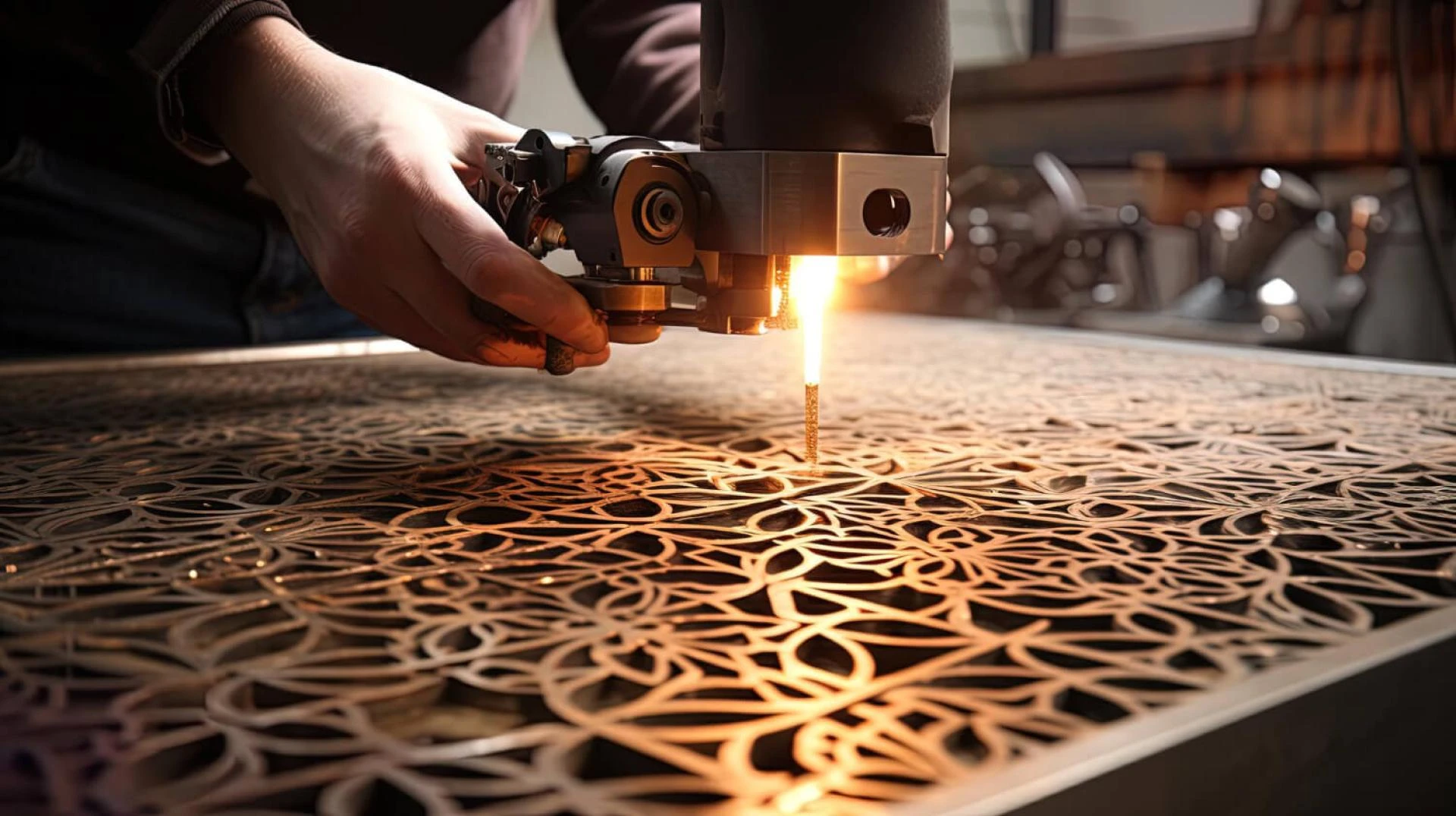
Once materials are approved, fabrication begins. Cutting tools such as plasma profiles, oxy-fuel burners, laser cutters, and waterjets slice steel into required pieces. Modern CNC cutting ensures perfect accuracy even for intricate shapes.
4. Bending & Forming
Steel sheets, bars, and plates are then bent into angles, curves, or round forms using press brakes, rollers, and hydraulic machines. The bending process converts flat metal into functional designs like pipes, braces, flanges, and frames.
5. Welding & Joining
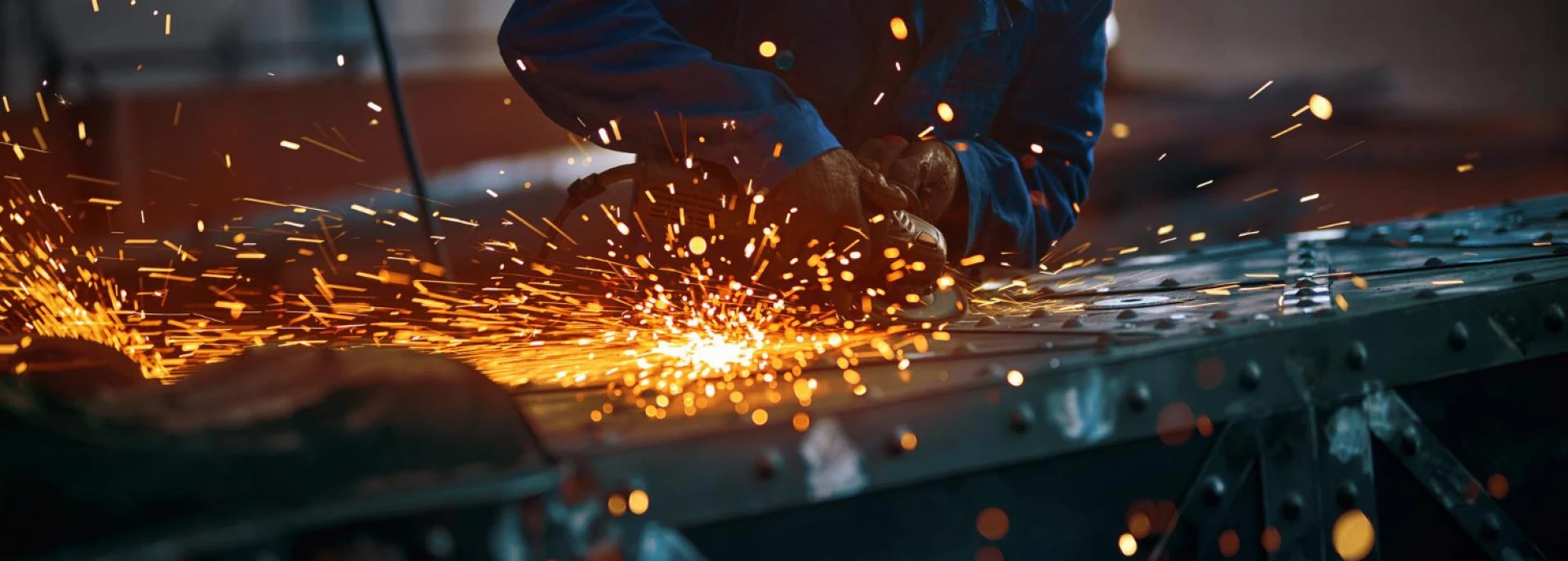
This stage brings everything together. Welding fuses steel components permanently using heat and pressure. Different welding methods — MIG, TIG, stick welding, flux-core — are selected based on thickness, strength, and end-use. This step ensures the final structure is durable, stable, and ready for load-bearing.
6. Surface Treatment & Finishing
The final component undergoes painting, galvanization, powder coating, or sandblasting to protect it from rust, corrosion, and environmental impact. Quality finishing improves lifespan significantly.
7. Assembly & Quality Inspection
Before shipment, fabricated parts are assembled and tested under strict quality control checks. Only after approval are they transported to the construction site for installation.
Steel fabrication is a synchronized process — a balance of mathematics, machinery, and manpower.
Benefits of Steel Fabrication
Steel remains a preferred choice because it outperforms many other construction materials in durability, adaptability, and long-term performance. Here are the major advantages:
High Strength-to-Weight Ratio
Steel structures support heavy loads without excessive weight. This reduces foundation requirements and construction cost.
Durability & Weather Resistance
Fabricated steel can withstand corrosion, fire, wind pressure, and seismic vibrations — making it ideal for global infrastructure environments.
Speed in Construction
Pre-fabricated steel components arrive ready for installation, reducing project timelines by weeks or even months.
Versatility in Design
Steel bends, curves, welds, and shapes into almost any form, making it suitable for complex architectural and industrial structures.
Recyclable & Sustainable
Steel can be recycled repeatedly without loss in strength, making it environmentally responsible.
These advantages explain why the demand for steel fabrication continues to rise globally.
Where Steel Fabrication is Used
Steel fabrication has expansive reach, powering both everyday construction and heavy industrial projects. Some of its major applications include:
Commercial & Residential Buildings
Beams, columns, roofing, steel frames, fire escapes, staircases, and mezzanines — all rely on fabricated steel.
Industrial Plants & Warehouses
Factories need strong frameworks, walkways, conveyors, platforms, boilers, and pipe systems — all fabricated off-site.
Oil, Gas & Marine Industries
Offshore rigs, refinery structures, tank farms, pressure vessels, shipping containers, and port equipment require precision steel work.
Transportation Infrastructure
Fabricated steel goes into bridges, tunnels, railway stations, airport hangars, and highway signage frameworks.
Energy Sector
Wind turbine towers, solar mounting structures, power plant supports, and transmission towers are fabricated for strength and efficiency.
In rapidly growing construction markets such as the Middle East, infrastructure development has led to a significant demand for steel fabrication in Dubai as global investors continue to build large-scale projects.
Large companies, manufacturers, government contractors, and builders often rely on firms offering structural fabrication services for complex projects where safety, load capacity, and customization are crucial.
Final Thoughts
Steel fabrication is the foundation of modern engineering — a method that transforms raw metal into the structures that shape cities and industries. Its precision, strength, adaptability, and longevity make it irreplaceable in construction. As technology advances, steel fabrication continues to evolve, becoming faster, more sustainable, and more innovation-driven than ever before.