



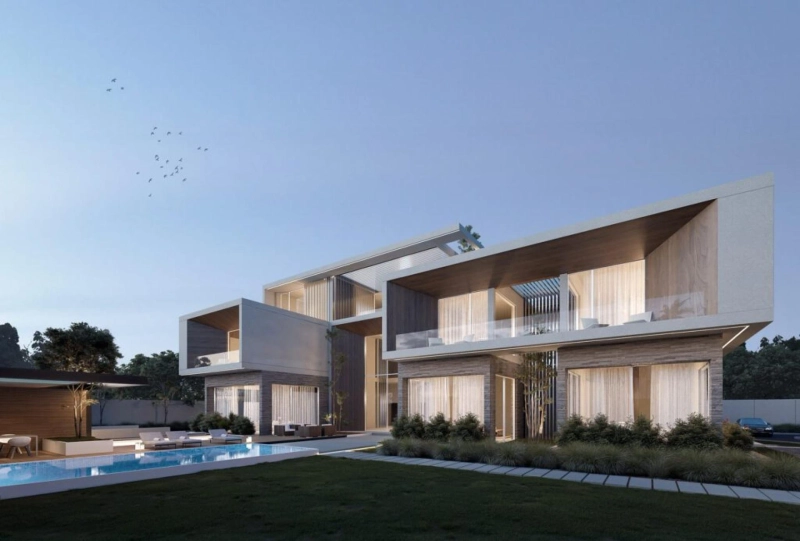
The hospitality industry is evolving rapidly, with guest experiences becoming a central focus of hotel design. Today’s luxury hotels are no longer just about opulent interiors or high-end amenities—they represent immersive experiences, sustainability, and cultural storytelling. At the heart of these transformations are hospitality architect firms and architectural consultancy firm, whose expertise is reshaping the way luxury hotels are conceptualized and executed.
From conceptual design to final execution, these firms play a crucial role in ensuring that hotels are not only visually stunning but also functional, efficient, and memorable for guests. Their influence is evident in the rise of boutique hotels, eco-lodges, and landmark luxury resorts that offer unique experiences while adhering to global standards.
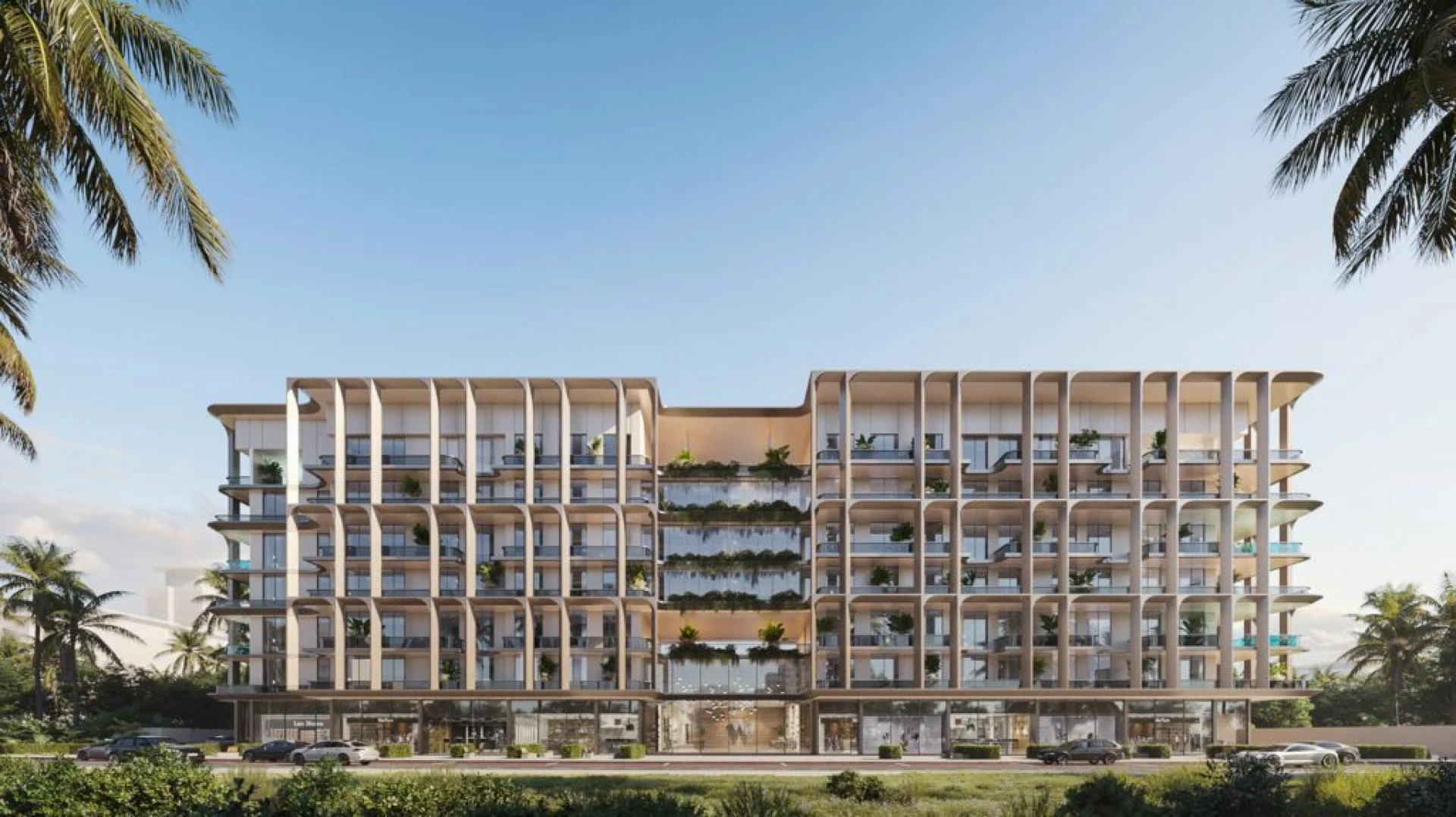
The Role of Hospitality Architect Firms
Hospitality architect firms specialize in designing spaces tailored to the specific needs of the hospitality sector. Unlike traditional architecture, hospitality design requires a fine balance between aesthetics, functionality, and operational efficiency. These firms focus on creating environments that enhance guest comfort, maximize revenue opportunities, and align with brand identity.
Some key aspects of their work include:
- Guest-centric design: Ensuring that every element, from room layout to public spaces, enhances the overall guest experience.
- Operational efficiency: Designing spaces that facilitate smooth workflows for hotel staff without compromising aesthetics.
- Sustainability: Integrating eco-friendly practices such as energy-efficient systems, sustainable materials, and water conservation strategies.
- Brand alignment: Reflecting the hotel’s brand story through design, color palettes, and thematic elements.
By addressing these critical areas, hospitality architect firms help luxury hotels stand out in a competitive market while providing a memorable and seamless experience for guests.
How Architectural Consultancy Firms Support Hotel Projects
In addition to design, the role of an architectural consultancy firm is essential in guiding hotel projects from concept to completion. These firms provide expert advice on planning, regulatory compliance, budgeting, and project management, ensuring that the architectural vision is realized without compromising on quality or timelines.
Key contributions of an architectural consultancy firm include:
- Feasibility studies: Assessing the viability of a hotel project, including site analysis, local regulations, and environmental impact.
- Master planning: Creating detailed plans that integrate architecture, landscape, and interior design cohesively.
- Regulatory compliance: Navigating local building codes, safety regulations, and licensing requirements.
- Cost management: Providing accurate budgeting, material recommendations, and construction oversight.
- Quality assurance: Ensuring that every stage of construction adheres to design specifications and global standards.
By combining creativity with technical expertise, architectural consultancy firms complement the vision of hospitality architects, delivering projects that are innovative, functional, and luxurious.
Trends Driving Luxury Hotel Design
Several trends are shaping modern luxury hotel design, making the expertise of hospitality architect firms more critical than ever:
1. Experiential Design
Guests increasingly seek immersive experiences, such as themed interiors, local cultural integration, and interactive amenities. Hospitality architects design spaces that tell a story and engage guests beyond traditional expectations.
2. Sustainable Architecture
Sustainability has become a key differentiator in luxury hotels. Architects are incorporating solar energy, natural ventilation, and eco-friendly materials to reduce the environmental footprint.
3. Technology Integration
Smart rooms, AI-driven services, and app-controlled amenities are becoming standard. Hospitality architect firms work closely with technology consultants to seamlessly integrate these features without compromising design aesthetics.
4. Flexible and Multi-purpose Spaces
Modern hotels require spaces that can adapt to changing functions, such as conference areas doubling as event venues. Architects ensure that such spaces are aesthetically pleasing while remaining highly functional.
5. Biophilic Design
Incorporating natural elements, greenery, and natural lighting improves guest well-being and enhances visual appeal. Hospitality architects use biophilic principles to create calming and restorative environments.
Examples of Top Hospitality Architect Firms
Some leading hospitality architect firms are recognized globally for transforming the luxury hotel landscape. Their projects showcase innovative designs, cultural sensitivity, and cutting-edge technology. These firms often collaborate with interior designers, landscape architects, and consultancy firms to ensure every aspect of a hotel reflects sophistication, functionality, and brand identity.
Key examples of work by top firms include:
- Designing iconic resorts that blend local culture with modern luxury.
- Revitalizing heritage properties while incorporating contemporary amenities.
- Conceptualizing eco-lodges and sustainable resorts that appeal to environmentally-conscious travelers.
These projects exemplify how professional expertise in architecture and consultancy can elevate a hospitality property from a functional space to an immersive experience.
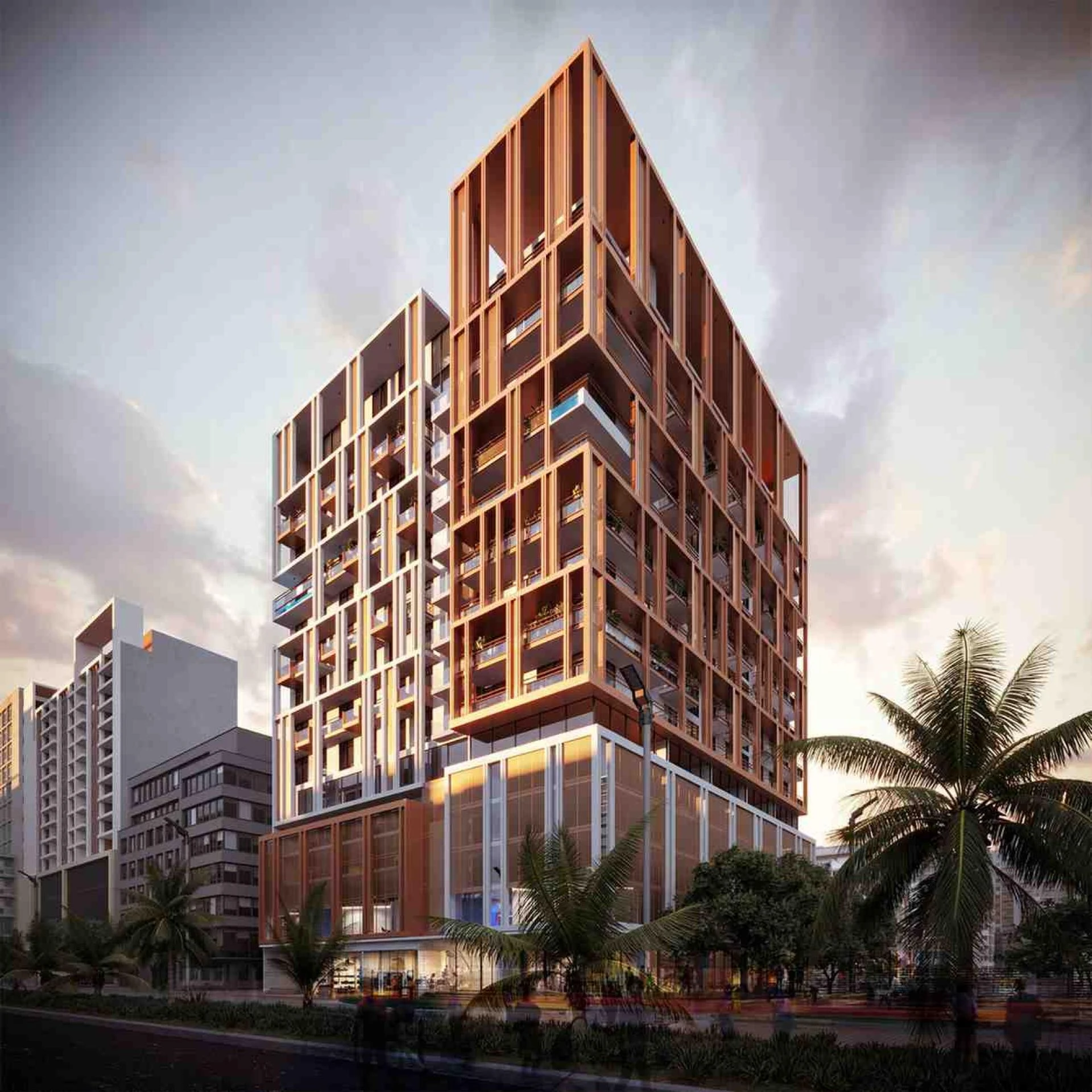
Why Collaboration Between Architect and Consultancy Firms Matters
The successful execution of luxury hotel projects depends on close collaboration between hospitality architect firms and architectural consultancy firm. While architects focus on creativity, aesthetics, and guest experience, consultancy firms ensure compliance, feasibility, and operational efficiency. This partnership enables hotels to achieve:
- Timely project completion without compromising design vision
- Cost-effective solutions through smart planning and resource management
- Compliance with international safety, environmental, and construction standards
- Unique guest experiences that drive brand loyalty and market differentiation
By leveraging the combined strengths of these firms, hotel owners can achieve designs that are both visually stunning and operationally effective.
Conclusion
The luxury hotel sector is evolving rapidly, and the role of professional hospitality architect firms and architectural consultancy firm has never been more important. From creating immersive guest experiences to ensuring operational efficiency, these experts transform hotel projects into destinations that inspire and delight. For investors and developers seeking top-tier design and consultancy support, ZNera Space stands out as a leading choice. With extensive experience in luxury hospitality design, ZNera Space provides comprehensive solutions, guiding projects from concept to completion while delivering innovative, sustainable, and unforgettable hotel experiences.