



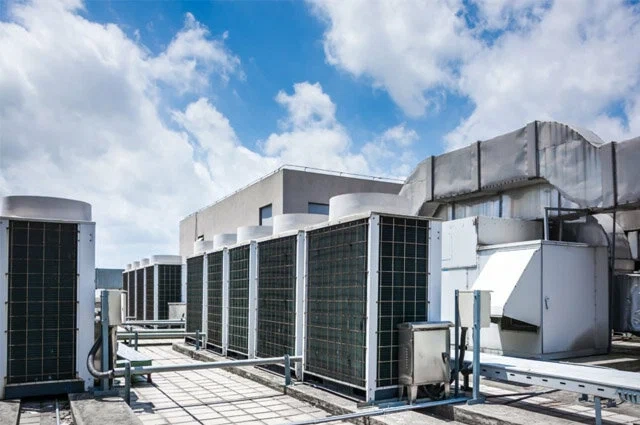
Energy efficiency has become a top priority in modern commercial tower design, especially in regions like the UAE where cooling demands are high, electricity consumption is significant, and sustainability goals are rapidly evolving. As buildings grow taller and more technologically advanced, the role of Mechanical, Electrical, and Plumbing (MEP) systems becomes increasingly critical in determining how much energy a structure consumes daily.
Studies and industry trends show that proper MEP design can reduce energy usage in commercial towers by up to 30%, sometimes even more when integrated with smart controls and high-efficiency technologies. This level of savings not only reduces operational costs but also improves indoor comfort, enhances sustainability ratings, and supports national energy targets.
In this comprehensive guide, we explore how optimized MEP design drives energy efficiency in high-rise buildings and why expert engineering—from the concept stage to installation—is essential. We also discuss how partnering with experienced teams, such as the top electromechanical company in Abu dhabi, ensures that even the most complex towers achieve superior performance.
Understanding the Role of MEP in High-Rise Energy Efficiency
Commercial towers rely heavily on MEP systems for cooling, ventilation, lighting, water circulation, and power distribution. These systems account for the majority of a building’s energy consumption, particularly in hot climates.
Proper MEP design focuses on:
- Minimizing wastage
- Optimizing equipment performance
- Enhancing energy control
- Improving system integration
- Reducing operational inefficiencies
When MEP systems are well-designed, energy flows smoothly, losses are minimized, and equipment operates under ideal conditions.
HVAC Optimization: The Largest Opportunity for Savings
HVAC systems account for 40–60% of a commercial tower’s total energy consumption. Enhancing their design can dramatically reduce usage.
High-Efficiency Chillers & Cooling Plants
Modern chilled water systems, variable-speed chillers, and optimized plant control significantly reduce energy consumption. Proper system sizing prevents oversizing—a common issue that increases power consumption.
Demand-Controlled Ventilation
Instead of running ventilation systems at full capacity, CO2 and occupancy sensors adjust airflow based on real-time requirements, minimizing waste.
Advanced Air Distribution
Smart ducting layouts, VAV (Variable Air Volume) systems, and pressure-optimized ventilation greatly improve efficiency. Well-designed air balancing ensures consistent comfort with lower energy usage.
Power Distribution Efficiency
Electrical systems also play a major role in energy savings. Inefficient distribution leads to voltage drops, overheating, and higher electricity consumption.
Smart Power Management
Advanced power factor correction, harmonic filters, and automated load controls help reduce electrical losses. Smart metering allows real-time tracking of overused zones, enabling targeted improvements.
Efficient Transformers and Switchgear
Using modern, low-loss transformers and optimized switchgear reduces wasted energy, improving overall distribution efficiency.
Lighting Strategies That Reduce Energy Usage
Lighting systems consume a significant portion of energy in commercial towers, especially in extensive office spaces, lobbies, and common areas.
LED and Smart Lighting Controls
LED lighting fixtures consumes a long way less energy than conventional lighting. Integrating smart controls like motion detection, daylight sensors, and programmed schedules ensures lights operate only when needed.
Daylighting and Architectural Integration
Proper MEP design often works closely with architectural teams to maximize natural light while minimizing heat gain. This reduces the lighting load and indirectly reduces cooling demand.
Water Systems & Pumping Efficiency
Water systems—including pumps, booster sets, and circulation loops—can account for considerable energy use in high-rise buildings.
Variable Frequency Drives (VFDs)
Using VFDs for pumps ensures that water flow adjusts dynamically, reducing energy consumption during low-demand periods.
Smart Plumbing Layouts
Effective pipe sizing, reduced friction losses, and strategic placement of pumps and tanks optimize flow and reduce power requirements.
Building Management Systems (BMS): The Brain of Energy Efficiency
A properly programmed Building Management System can reduce energy consumption by up to 20–30% alone by monitoring and optimizing MEP operations.
Real-Time Monitoring & Predictive Control
BMS platforms analyze performance data, detect inefficiencies, and adjust system behavior. This includes:
- Optimizing chiller performance based on load
- Regulating lighting based on occupancy
- Monitoring energy waste in real time
Integration With IoT and AI
AI-enhanced systems detect patterns, predict maintenance requirements, and automatically fine-tune operations for maximum efficiency. This is especially important in large towers with complex MEP systems.
Reducing Energy Loss Through Proper Insulation
Insulation is a frequently overlooked aspect of MEP design, yet it significantly affects energy efficiency.
High-Quality Thermal Insulation
Well-insulated ductwork, chilled water pipes, and building envelopes minimize cooling losses, reducing the load on HVAC systems.
Condensation Prevention
Proper insulation also prevents moisture issues that compromise efficiency and increase maintenance requirements.
MEP Value Engineering: Reducing Costs and Enhancing Performance
Value engineering ensures systems are optimized for performance and cost-efficiency without compromising quality. Engineers analyze:
- Equipment selection
- Space utilization
- Load distribution
- System integration
- Long-term maintenance requirements
This approach leads to significant energy savings and lower lifecycle costs.
The Role of Expert Electromechanical Teams
Complex MEP systems require skilled design, installation, and commissioning. Partnering with experienced professionals—such as the top electromechanical company in Abu dhabi—ensures accurate sizing, seamless integration, and high-performance operation.
These teams bring specialized knowledge, including:
- Load calculation optimization
- Advanced HVAC engineering
- Smart energy management systems
- Efficient power distribution techniques
- Sustainable electromechanical design solutions
In addition, industries requiring heavy-duty infrastructure often rely on Industrial electromechanical services to ensure robust and efficient systems that support large-scale operations.
Commissioning: The Final Step to Achieving Energy Savings
Even the best-designed MEP systems underperform without proper commissioning. This phase involves:
- Functional testing
- Performance tuning
- System calibration
- Load testing
- Verification of automation controls
Commissioning ensures systems operate as intended and achieve the projected energy savings.
FAQ
1. How can MEP design reduce energy consumption by up to 30%?
By optimizing HVAC design, improving electrical distribution, enhancing lighting systems, and integrating smart controls, buildings can significantly lower energy consumption.
2. Are smart MEP systems expensive?
Initial investment may be higher, but long-term savings in energy and maintenance make them highly cost-effective.
3. Can older high-rise buildings benefit from improved MEP design?
Yes. Retrofitting HVAC, lighting, and power systems can drastically improve energy efficiency even in older towers.
4. Does proper commissioning affect energy savings?
Absolutely. Commissioning ensures systems run efficiently and achieve the intended performance.
5. Do industrial electromechanical services play a role in commercial towers?
Yes. Many high-rises use industrial-grade systems for cooling, power, and pumping, making specialized electromechanical services essential.
Conclusion
Proper MEP design is one of the most powerful tools for improving energy efficiency in commercial towers. With optimized HVAC systems, intelligent lighting, efficient power distribution, and advanced automation, energy usage can be reduced by as much as 30%—a major benefit for building owners, tenants, and the environment.
When guided by experienced engineering providers such as the top electromechanical company in Abu dhabi, commercial towers benefit from world-class electromechanical expertise that ensures performance, sustainability, and long-term efficiency. Coupled with the strength of Industrial electromechanical services, the result is a future-ready building designed to operate at peak energy performance for years to come.
Through smart planning, innovative technology, and rigorous execution, proper MEP design continues to set new standards in energy-efficient commercial infrastructure.