



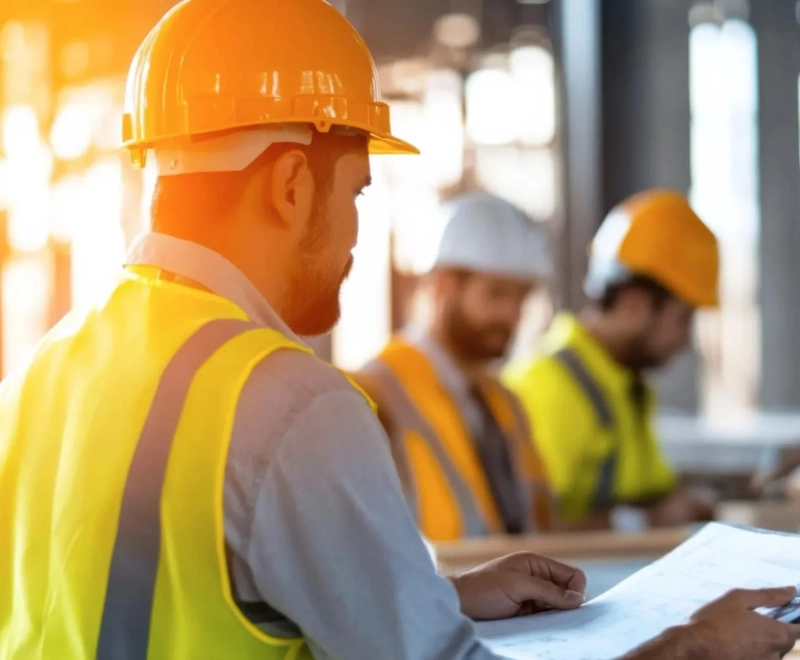
Imagine a construction project running smoothly: timelines are met, budgets are on track, and the crew is working efficiently. Then, an accident strikes. A contractor falls from scaffolding or is injured by heavy machinery.
Suddenly, everything stops. Delays are inevitable, costs soar, legal complications arise, and your reputation takes a hit. Construction workers are at significant risk, with one in every five workplace fatalities occurring in construction. Many of these tragedies could be prevented with robust contractor safety training.
Effective safety training isn’t just about meeting regulatory requirements—it saves lives, reduces injuries, and keeps projects running smoothly. Construction sites are inherently dangerous, involving multiple contractors working in hazardous environments with heavy equipment and constantly changing conditions. Without proper safety training, these environments become a recipe for disaster.
So, is your contractor safety program up to the task? Are you covering all the essential safety aspects, or are there gaps that could lead to an accident? Many construction firms discover flaws in their safety programs only after it’s too late.
What Contractor Safety Training Should Include
Contractor safety training is an essential component of keeping work environments safe. It prepares contractors to identify and respond to hazards on construction sites. This training covers everything from equipment operation to emergency protocols, ensuring that workers are well-equipped to avoid accidents.
Construction is one of the most hazardous industries in America. Contractors work at heights, with heavy machinery, around electrical systems, and near excavation sites. They also handle dangerous materials and deal with constantly changing conditions as projects progress.
Why Safety Training Is More Critical Than Ever
The statistics are alarming. Construction continues to lead all private industries in workplace fatalities, with over 1,000 deaths each year. Additionally, thousands of contractors suffer injuries that result in hospitalizations, amputations, or permanent disabilities.
Each trade faces specific risks—roofers deal with falls, electricians risk electrocution, and heavy machinery operators can be involved in struck-by incidents. Every trade requires tailored safety training that addresses these unique hazards.
When contractors receive proper safety training, they develop awareness and intuition for spotting hazards before they become accidents. This proactive mindset directly reduces injury rates and fosters safer work environments.
Key Components of a Successful Contractor Safety Program
1. Recognizing Hazardous Work Conditions
Contractors need to be able to identify potential hazards before they can avoid them. Training should focus on site-specific risks, hazard recognition, and when to stop work and seek guidance.
- High-risk areas that need special attention:
- Scaffolding: Proper assembly, inspection, fall protection, and load limits.
- Electrical Work: Lockout/tagout procedures and safe distances from power lines.
- Heavy Machinery: Certification and awareness of blind spots and communication protocols.
- Confined Spaces: Atmospheric testing, ventilation, and emergency procedures.
2. Core Safety Training Topics
Some safety topics apply to almost all construction workers, as they address the most common causes of injury or death.
- Fall Protection: Falls caused 37% of all construction fatalities in 2021. Contractors need hands-on instruction in fall protection systems, such as personal fall arrest systems, guardrails, and safety nets.
- Personal Protective Equipment (PPE): Correctly using and inspecting hard hats, safety glasses, hearing protection, respirators, gloves, and boots.
- Hazardous Materials Handling: Training on how to safely handle substances like chemicals, asbestos, and silica dust.
- Tool and Equipment Safety: Inspecting tools before use, proper operation, and knowing when tools should be taken out of service.
3. Emergency Response Protocols
Despite the best prevention efforts, accidents will happen. Properly trained contractors can mitigate harm by responding quickly and effectively to emergencies.
- Training should cover:
- Basic first aid and CPR.
- When to call 911 and how to handle medical emergencies.
- Evacuation procedures and assembly points.
- Fire extinguisher operation.
- Communication during emergencies.
How to Ensure Your Safety Program is Adequate
Many construction companies have safety programs, but not all of them are effective. Evaluating your safety program regularly ensures it’s up to the task of preventing accidents.
Step 1: Audit Your Safety Program
Take a hard look at your current safety training program. Review training materials, incident reports, and feedback from contractors. Ask these critical questions:
- Does the training cover all relevant hazards?
- Are contractors receiving hands-on experience, or just theoretical instruction?
- Are refresher courses keeping up with new equipment and changes in the industry?
- Do incident investigations show gaps in training?
Step 2: Tailor Training to Specific Roles
Different roles on a construction site face different risks. Generic training doesn’t cut it. Each contractor’s training should address the specific hazards of their job.
- For example:
- Roofers need extensive fall protection training.
- Electricians must be well-versed in electrical safety protocols.
- Heavy equipment operators need specialized training on machinery.
Step 3: Continuous Education
Safety training shouldn’t stop at orientation. Contractors need regular refreshers to stay updated on procedures, new equipment, and changing risks.
- Hold periodic refresher courses.
- Conduct safety meetings before shifts to address specific hazards for the day.
- Use real-world examples and case studies to reinforce the importance of safety.
The Benefits of Comprehensive Safety Training
1. Protecting Your Workforce
The most important benefit of contractor safety training is simple: it ensures contractors go home safely. Preventing injuries not only saves lives but also protects workers’ families and reduces the likelihood of lawsuits or compensation claims.
2. Reducing Project Delays and Costs
Accidents disrupt work. Even minor injuries cause delays as contractors recover, and investigations can halt projects for days or weeks. Fewer accidents lead to fewer delays and lower insurance costs, ultimately saving money in the long run.
3. Maintaining Compliance and Reputation
OSHA has become stricter in enforcing safety regulations, with higher penalties for non-compliance. A comprehensive safety program helps companies meet regulatory standards and avoid fines.
A strong safety record also enhances a company’s reputation and builds trust with contractors, clients, and suppliers.
4. Creating a Safety-First Culture
Safety training is just the beginning. Building a safety-first culture requires commitment from top management down to the workers on the ground. When leadership emphasizes safety, contractors follow suit.
Strengthening Your Safety Program
Investing in contractor safety training is more than a regulatory requirement—it’s an investment in your workforce, your reputation, and your bottom line. Evaluating your program, tailoring it to specific roles, and providing continuous education creates a work environment where everyone is empowered to stay safe.
By maintaining a robust safety program, you’re not just protecting contractors; you’re fostering a culture that values safety and efficiency. Regular audits, up-to-date training, and a commitment to continuous improvement ensure that your contractor safety program isn’t just adequate—it’s excellent.