



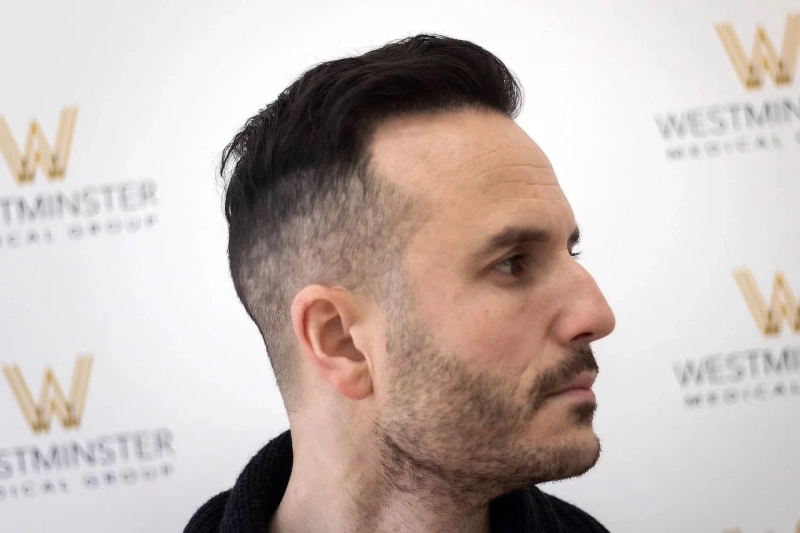
A bad hair transplant can be emotionally and physically distressing, but knowing how to spot the warning signs can help you avoid long-term disappointment and find the right corrective solutions. One of the most common red flags is an unnatural hairline. A poorly designed hairline often looks too straight, too low, or lacks the natural irregularities that real hairlines have. When you look closely, the hair may grow in uniform rows, creating a “pluggy” or doll-like appearance. In reputable clinics, especially in locations known for advanced cosmetic procedures like hair transplant London, experienced surgeons spend a great deal of time designing a hairline that matches your facial structure, age, and natural hair growth patterns, which is something that is often missing in low-quality procedures.
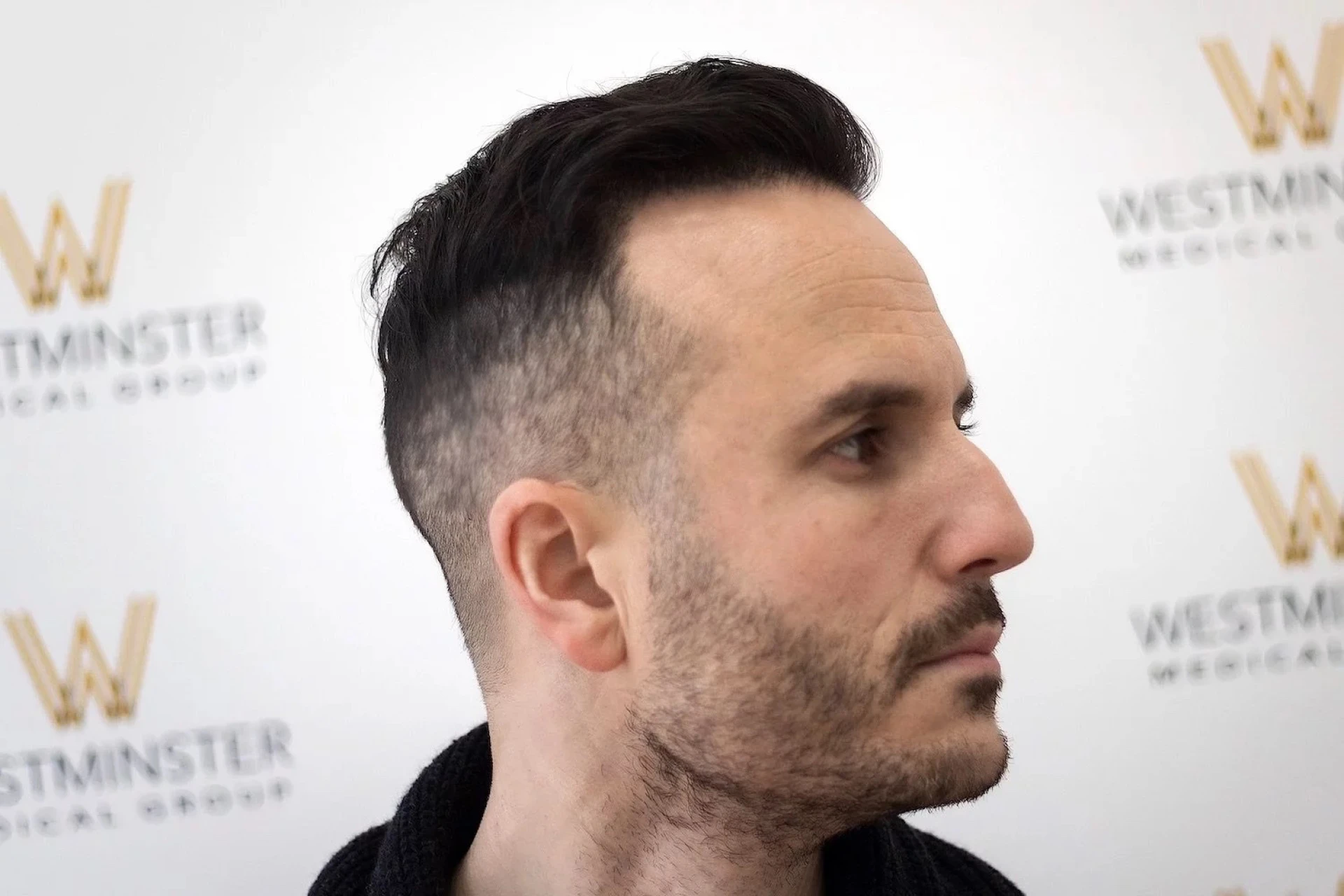
Another clear sign of a bad hair transplant is visible scarring. While modern techniques like FUE (Follicular Unit Extraction) aim to leave minimal scarring, poor surgical skills can result in noticeable dots, linear scars, or patchy skin texture, especially in the donor area. Some patients also experience overharvesting, where too many grafts are taken from the back or sides of the scalp, leaving those areas thin, fragile, or moth-eaten in appearance. This not only looks unnatural but can permanently damage the donor area, limiting the chances of future correction.
Poor graft survival is another major indicator. If a large number of transplanted hairs fail to grow after several months, it may be due to improper handling of grafts, poor storage conditions, or inexperienced implantation techniques. In bad transplants, hair may grow at the wrong angle or direction, sticking straight up or sideways instead of flowing naturally with surrounding hair. This can make styling difficult and give away the fact that you’ve had a procedure.
Fortunately, skilled surgeons can fix bad hair transplants through advanced repair techniques. One common method is graft extraction and redistribution. Surgeons carefully remove poorly placed grafts and re-implant them in more natural positions. This is a highly delicate process that requires precision and artistic skill. Another effective solution is scar revision, where doctors use advanced methods to reduce the appearance of scars or camouflage them using additional hair grafts or scalp micropigmentation.
In some cases, surgeons use body hair or beard hair as alternative donor sources if the original donor area has been overharvested. They also focus on improving hair direction, density, and overall balance to restore a natural look. Platelet-Rich Plasma (PRP) therapy is sometimes used alongside corrective surgery to improve scalp healing and boost the growth of transplanted follicles.
Ultimately, the best way to avoid a bad hair transplant is to research your surgeon carefully, review real patient results, and choose a clinic with a proven track record. If you already have a poor result, don’t lose hope. With modern techniques and experienced hands, even the worst outcomes can be significantly improved, helping you regain both your hair and your confidence.