



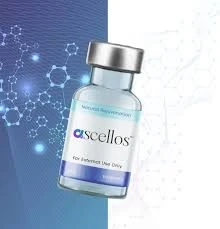
Modern medicine is witnessing a revolutionary shift with the rise of regenerative treatments. Among the most promising advancements is Exosome Therapy, a cutting-edge approach that focuses on repairing and rejuvenating the body at its very foundation—our cells. By harnessing the body’s natural healing mechanisms, this therapy is transforming the way we treat injuries, aging, and chronic conditions.
What is Exosome Therapy?
Exosome Therapy is a form of regenerative medicine that utilizes tiny extracellular vesicles called exosomes. These are nano-sized messengers secreted by cells, particularly stem cells, to communicate with other cells. They carry proteins, lipids, and genetic material (like RNA) that regulate cell-to-cell communication.
When introduced into the body, exosomes stimulate tissue repair, reduce inflammation, and promote regeneration. Unlike traditional treatments that only manage symptoms, Exosome Therapy addresses the root cause by encouraging the body to heal itself at the cellular level.
How Does Exosome Therapy Work?
Exosomes act as biological messengers. When administered, they deliver signals to damaged or aging cells, prompting them to restore normal functions. For example:
- In orthopedics, exosomes can reduce inflammation in joints, ease pain, and promote cartilage repair.
- In aesthetics, they encourage skin cells to regenerate, resulting in smoother, younger-looking skin.
- In neurology, exosomes show promise in repairing nerve damage and supporting brain health.
By targeting the source of dysfunction, Exosome Therapy provides long-lasting benefits rather than temporary relief.
Benefits of Exosome Therapy
Patients and researchers are increasingly drawn to this therapy because of its broad applications and natural healing potential. Some key benefits include:
- Reduces Inflammation – Exosomes contain anti-inflammatory properties that help with arthritis, autoimmune conditions, and chronic pain.
- Supports Anti-Aging – By stimulating collagen production and skin regeneration, exosomes are widely used in cosmetic medicine.
- Accelerates Recovery – Athletes and individuals with injuries benefit from faster healing and reduced downtime.
- Non-Surgical & Safe – Unlike invasive procedures, Exosome Therapy is minimally invasive and carries minimal risks.
- Promotes Overall Wellness – Beyond specific conditions, exosomes improve cellular communication and overall health.
Applications of Exosome Therapy
The versatility of Exosome Therapy makes it one of the most exciting areas of medicine today. Some common applications include:
- Joint and Musculoskeletal Repair – Treating osteoarthritis, tendon injuries, and cartilage damage.
- Skin Rejuvenation – Improving elasticity, reducing wrinkles, and repairing sun damage.
- Hair Restoration – Stimulating dormant hair follicles to promote natural growth.
- Neurological Support – Exploring potential benefits in conditions like stroke recovery, Alzheimer’s, and Parkinson’s disease.
- Immune System Modulation – Helping regulate autoimmune responses.
Why Choose Exosome Therapy?
Unlike conventional treatments that rely on medications or surgeries, Exosome Therapy enhances the body’s own ability to heal. It is backed by advanced research in regenerative medicine and offers a natural, non-toxic approach to wellness. Many patients choose this therapy because:
- It treats the cause rather than masking symptoms.
- It is minimally invasive with little to no downtime.
- It provides wide-ranging benefits across multiple conditions.
- It is a future-forward therapy, aligning with the next generation of personalized medicine.
The Future of Healing
As research progresses, Exosome Therapy is expected to become a cornerstone of regenerative medicine. From orthopedic treatments to cosmetic applications and neurological care, its potential is vast. This therapy represents more than just a medical advancement—it’s a new way of understanding health, where the body is empowered to heal from within.
Final Thoughts
Exosome Therapy is more than a trend; it is a paradigm shift in healthcare. By working at the cellular level, it offers lasting healing, improved quality of life, and hope for conditions once thought untreatable. As science continues to evolve, this innovative therapy stands at the forefront of a healthier, regenerative future.