Owning a home with a septic system can feel like managing an invisible network under your property. Most homeowners don’t think about it until something goes wrong—like slow drains, backups, or strange odors. That’s why regular septic pumping in West Covina is critical. It’s not just a maintenance task; it’s a smart investment in your pipes, property, and peace of mind.
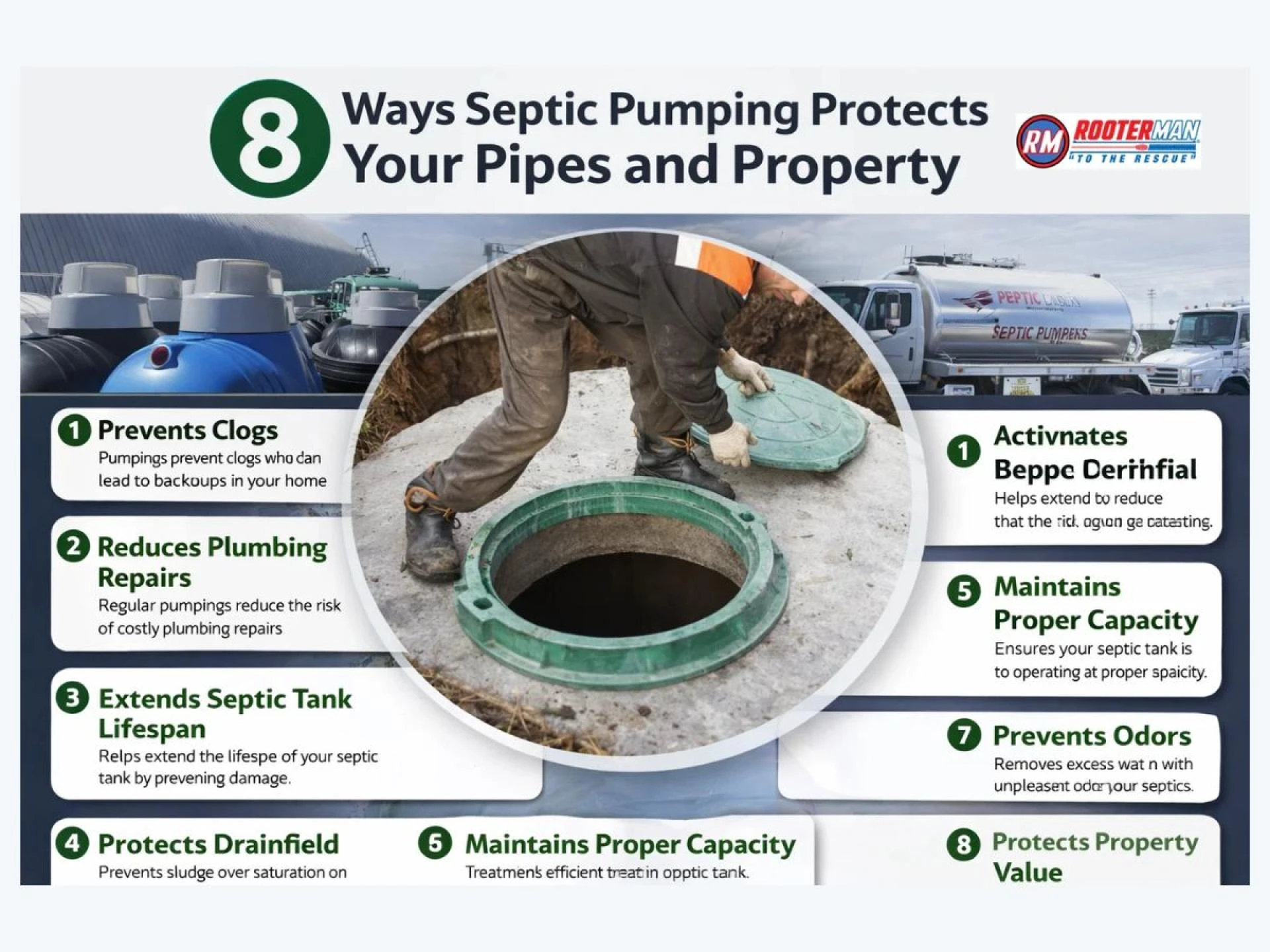
Here are eight practical ways septic pumping helps protect your home and prevents costly repairs.
1. Prevents Clogs and Drain Blockages
Over time, solids, sludge, and scum build up in your septic tank. If left untreated, this waste can overflow into your pipes, causing clogs in drains, toilets, and sinks. Regular septic pumping removes these solids before they reach your plumbing, keeping water flowing smoothly.
Tip: Schedule pumping every 3–5 years depending on household size and tank capacity.
2. Extends the Life of Your Pipes
When sludge backs up, it puts extra pressure on pipes. This can lead to leaks, cracks, or even full pipe replacement. By keeping your tank emptied through proper pumping, you reduce stress on your plumbing, helping pipes last longer and function efficiently.
Real-world example: Homeowners often notice their drains run faster and water pressure stays consistent after a routine septic pumping.
3. Protects Your Drain Field
The drain field, or leach field, is where liquid wastewater is naturally filtered into the soil. Solids that reach this area can clog the system, leading to expensive repairs or drain field replacement. Regular septic pumping in West Covina ensures only liquid effluent leaves the tank, protecting your soil filtration system.
4. Prevents Foul Odors
No one wants the smell of sewage wafting through their yard or home. A full septic tank can produce strong odors both indoors and outdoors. Pumping your tank regularly keeps waste levels under control, reducing the risk of unpleasant smells.
Quick tip: Keep vents and lids properly sealed for extra odor control.
5. Reduces Risk of Sewage Backups
Sewage backups are more than just unpleasant—they can damage flooring, furniture, and your landscaping. Regular septic pumping clears the tank, ensuring waste flows properly and never backs up into your home.
For early warning signs, check our guide on Septic system warning signs to know when action is needed.
6. Saves Money on Repairs
While pumping might feel like a recurring cost, it’s far less expensive than repairing damaged pipes, replacing a drain field, or cleaning up a sewage backup. Regular maintenance is the best way to avoid emergency expenses.
Stat insight: According to the National Onsite Wastewater Recycling Association, regular pumping can prevent up to 75% of costly septic failures.
7. Supports Healthy Home Hygiene
A well-maintained septic system prevents harmful bacteria from overflowing into your yard or home. This is especially important for families with children or pets. Proper septic pumping in West Covina keeps wastewater contained and reduces health risks.
8. Keeps Your System Efficient
A pumped septic tank allows bacteria inside to break down solids naturally and efficiently. This improves overall system performance, making sure your wastewater is treated correctly before returning to the soil. Efficient systems also help your property stay compliant with local environmental regulations.
Pro tip: Incorporate key septic maintenance advice into your routine to maximize your system’s lifespan.
Real Experience with Septic Pumping
At Rooter Man Septic Tank Pumping, we’ve seen the difference proper septic pumping makes. Homeowners who schedule regular services report fewer clogs, smoother drains, and less stress about their septic system. By catching issues early, you avoid emergencies and keep your property in top shape.
FAQ – Septic Pumping & System Care
1. How often should I schedule septic pumping?
Most homes benefit from pumping every 3–5 years. Large households or heavy water use may need more frequent service to prevent clogs and backups.
2. What are common signs my septic tank needs pumping?
Slow drains, gurgling pipes, sewage odors, pooling water in the yard, or backups in sinks and toilets often indicate it’s time for septic pumping.
3. Can I do septic pumping myself?
Septic pumping requires specialized equipment and knowledge. Attempting it yourself can be dangerous and lead to improper handling or system damage.
4. How does septic pumping protect my pipes?
By removing solids before they enter your plumbing, pumping reduces stress and prevents clogs or pipe damage, keeping your plumbing system functioning efficiently.
5. What happens if I skip septic pumping?
Skipping pumping can cause sludge buildup, drain field clogging, foul odors, sewage backups, and expensive repairs, affecting both your property and health.
6. Does septic pumping help with property maintenance?
Yes, it’s a key part of property upkeep. Regular pumping keeps the system running smoothly, protects landscaping, and reduces long-term repair costs.
7. Is septic pumping environmentally safe?
Professional septic pumping ensures waste is removed and treated properly, protecting soil and groundwater from contamination.
Conclusion
Regular septic pumping isn’t just a task—it’s a proactive approach to protecting your pipes, property, and health. From preventing clogs and backups to keeping your drain field functional, the benefits are clear. Combine pumping with key septic maintenance advice and awareness of septic system warning signs, and your home’s septic system can serve your property efficiently for decades.