



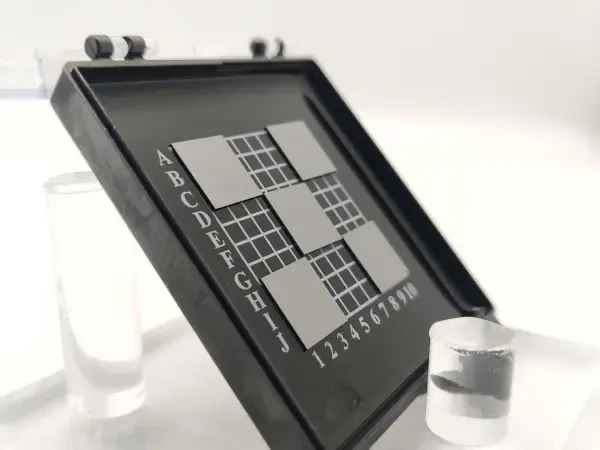
The world of high-performance power electronics is evolving rapidly, and 6H-SiC substrates are at the forefront of this transformation. Understanding the differences between N-type and P-type 6H-SiC is critical for engineers and designers looking to maximize efficiency, reliability, and performance. For a deeper dive, check out the full insights on JX Wafer’s blog.
What Are 6H-SiC Substrates?
6H-SiC is a hexagonal silicon carbide polytype known for its high thermal conductivity, wide bandgap, and excellent stability under high voltage and temperature conditions. These properties make it ideal for demanding applications in power electronics, aerospace, and industrial systems.
Key advantages include:
- Superior heat dissipation for high-power devices
- High breakdown voltage for safer operations
- Stability in extreme conditions
- Compatibility with both N-type and P-type doping
N-Type vs. P-Type 6H-SiC: Understanding the Difference
N-Type 6H-SiC
- Electron-rich material
- Offers higher electron mobility
- Ideal for high-speed switching and high-frequency applications
- Commonly used in power inverters and RF devices
P-Type 6H-SiC
- Hole-rich material
- Provides stability under high temperature
- Often used in complementary circuits and high-voltage components
- Works well in industrial and energy applications
Applications of 6H-SiC Substrates
- Power Electronics
- Used in converters, inverters, and rectifiers, 6H-SiC improves energy efficiency and reduces power loss.
- Electric Vehicles (EVs)
- Enhances inverter efficiency and thermal management, supporting faster charging and longer driving ranges.
- Renewable Energy
- Boosts solar and wind power systems by increasing conversion efficiency and device reliability.
- Aerospace & Defense
- High durability under extreme temperatures and radiation makes it ideal for satellite electronics and defense-grade systems.
Advantages Over Traditional Silicon
Compared to conventional silicon, 6H-SiC substrates offer:
- Lower energy loss in high-power operations
- Superior thermal stability and reliability
- Support for high-voltage, high-frequency, and harsh-environment applications
Challenges in Adoption
While 6H-SiC provides significant benefits, challenges include:
- Higher manufacturing costs
- Limited availability of large wafers
- Complex fabrication processes
However, these challenges are gradually being addressed as research and demand continue to grow.
Final Thoughts
The choice between N-type and P-type 6H-SiC substrates depends on the application, but both offer remarkable performance for next-generation electronics. By incorporating these substrates, industries can achieve greater efficiency, reliability, and longevity.
👉 For a detailed guide, visit JX Wafer’s blog.
👉 Learn more about advanced silicon carbide technology on JX Wafer’s home page and discover how 6H-SiC substrates are shaping the future of power electronics.