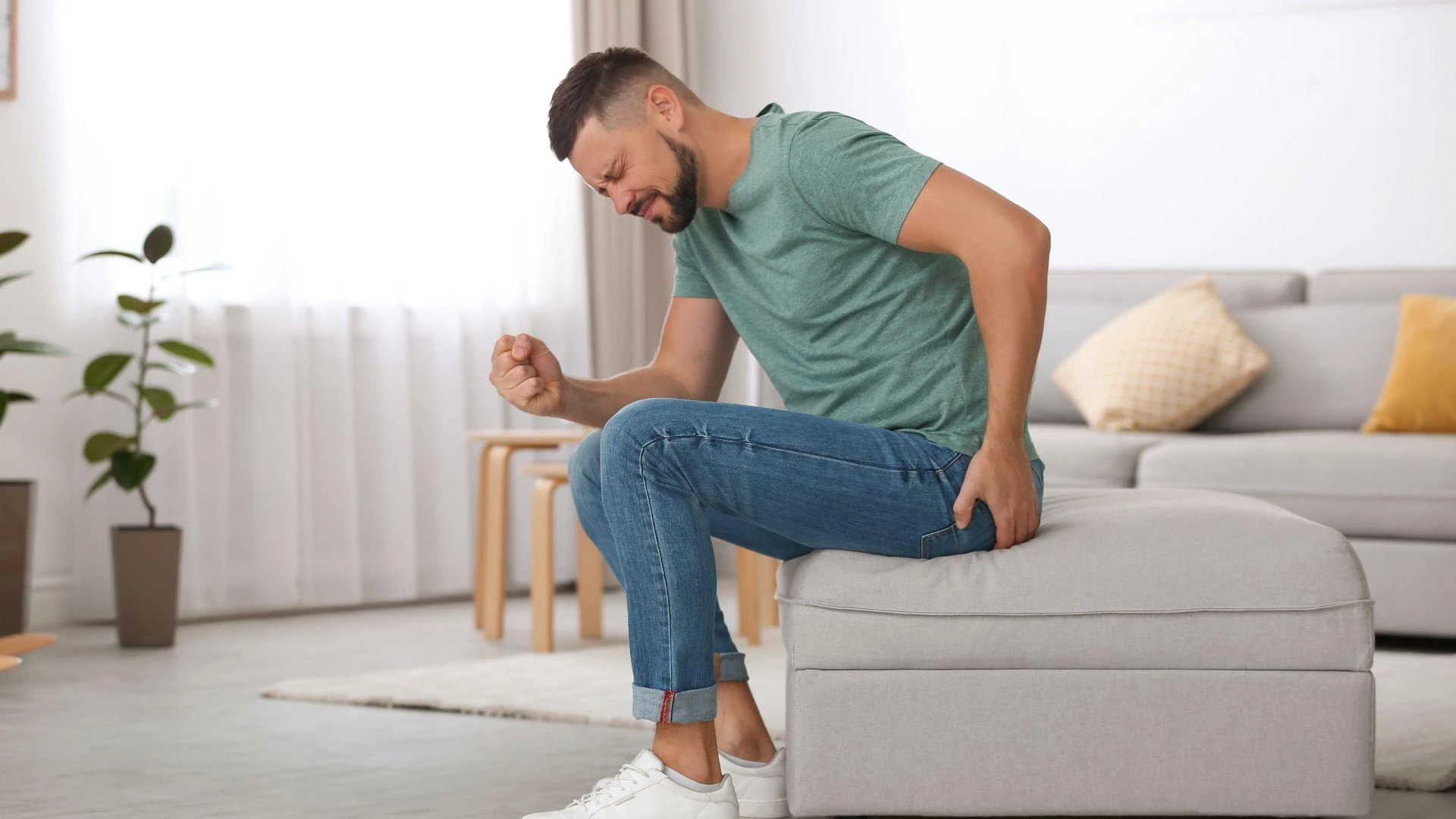
Sciatica is one of the most common causes of back and leg pain that affects millions of people worldwide. It occurs when the sciatic nerve, which runs from your lower back down to your legs, becomes irritated or compressed. The pain can feel sharp, burning, or shooting, and in some cases, it can make even walking or sitting uncomfortable.
If you’re struggling with sciatica, you’ve probably read about treatments like stretching, physical therapy, and medication. However, what you don’t do is just as important as what you do. Certain habits can make your pain worse or slow your recovery. Below are six things you should avoid if you have sciatica and want to heal faster.
1. Avoid Bad Posture
Poor posture is one of the biggest contributors to sciatic nerve pain. Many people slouch when they sit, especially when using a phone or working on a computer. This rounded-back position puts unnecessary pressure on your lower spine and the sciatic nerve.
Some believe slouching or leaning forward helps relieve pain, but it actually worsens it over time. Your spine naturally forms an “S” shape, and maintaining that curve helps reduce strain on your lower back.
Try sitting with your back straight, shoulders relaxed, and both feet flat on the floor. If you work at a desk, adjust your chair height and use a small cushion for lumbar support.
2. Avoid Gaining Excess Weight
Extra weight can make sciatica symptoms more severe. The more body weight you carry, the greater the stress on your lower back and spinal discs. If you already have a bulging or herniated disc, the added pressure can irritate the sciatic nerve even more.
In addition, being overweight often increases inflammation throughout the body, which can worsen nerve pain. While losing weight may be difficult when you’re in pain, preventing further weight gain is an important first step.
Try to eat balanced meals, limit processed foods, and focus on gentle physical activities like walking or water aerobics. Even small changes can reduce pressure on your back and improve your symptoms over time.
3. Avoid Doing the Wrong Stretches
Stretching can help relieve tight muscles and improve mobility, but certain stretches can do more harm than good when you have sciatica. Movements that require bending your lower back or touching your toes can increase pressure on your lumbar discs.
For example, traditional hamstring stretches often involve rounding your lower back, which can make sciatic pain worse. Instead, focus on gentle stretches that keep your spine straight, such as lying on your back and pulling one knee toward your chest.
If you’re unsure which stretches are safe, ask your doctor or physical therapist for a guided exercise plan tailored to your condition.
4. Avoid Lifting Heavy Objects
Lifting heavy weights, especially with improper form, is one of the fastest ways to aggravate sciatica. When you bend or twist your back while lifting, you place extra strain on your spine and surrounding muscles.
If you can, avoid lifting heavy items altogether until your symptoms improve. If lifting is unavoidable, remember to bend at your knees, keep the object close to your body, and use your leg muscles rather than your back.
Avoid gym exercises like deadlifts or squats with heavy weights until your doctor clears you. Light activities like walking, swimming, or using resistance bands can help you stay active without overloading your spine.
5. Avoid Tight or Restrictive Clothing
Wearing tight jeans, leggings, or skirts may seem harmless, but restrictive clothing can actually make sciatica pain worse. Tight clothing around your waist, hips, or thighs can put pressure on your lower back and irritate the sciatic nerve.
To prevent this, wear loose-fitting, breathable clothing that allows free movement. Avoid belts or waistbands that dig into your lower spine or compress your hips. Until your symptoms fully disappear, prioritize comfort over fashion and your back will thank you.
6. Avoid Improper Footwear
Your shoes play a major role in how pressure is distributed throughout your body. High heels and unsupportive shoes can throw off your alignment, forcing your pelvis and lower spine into unnatural positions.
High heels push your weight onto the balls of your feet, which shifts your hips forward and strains your hamstrings. This posture can worsen sciatic nerve irritation. Similarly, flat shoes with little support can cause your feet to roll inward, sending tension up through your legs and back.
Choose footwear with proper arch support and cushioning. If you need extra comfort, consider shoe inserts designed specifically for people with nerve or back pain.