


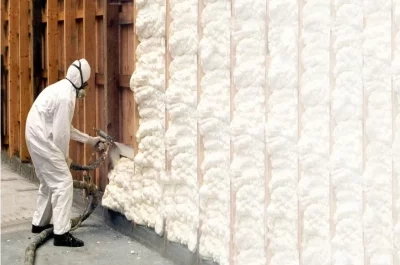
Open-cell spray foam provides a high-performance air seal and superior sound dampening at a lower price point than closed-cell alternatives. In Seattle, this material is particularly effective for residential attics and interior walls because it expands rapidly to fill irregular spaces and allows wooden structures to breathe while maintaining thermal efficiency. Specialists apply the foam as a liquid that grows roughly 100 times its original volume, ensuring that every tiny crack and crevice in a home is sealed against the damp Pacific Northwest air.
Homeowners who choose this insulation method often see a 15 percent reduction in monthly energy bills because it stops air leakage, which is the leading cause of heat loss. This article provides a detailed look at the specific advantages of open-cell foam insulation in Seattle, WA, ranging from its acoustic properties to its performance in high-humidity environments. Every paragraph contributes unique information to help residents evaluate if this material fits their specific property needs and long-term goals.
The Massive Expansion of Open-Cell Foam
The expansion rate of open-cell spray foam is its most distinctive physical characteristic. When installers spray the liquid mixture into a wall cavity, it reacts almost instantly to create a soft, sponge-like structure. This rapid growth allows the material to reach behind electrical wires, plumbing pipes, and around recessed lighting where traditional fiberglass batts often leave gaps.
Because the foam fills the entire depth of the stud bay, it provides a consistent thermal barrier across the whole surface. This eliminates the small voids that allow air to circulate within the walls, which is a major factor in cold spots and drafts. The ability to fill irregular shapes makes it a preferred choice for the historic homes found throughout Seattle's older neighborhoods.
Filling Deep Cavities Efficiently
In many Seattle homes, attic spaces have deep or uneven joists that make installing standard insulation difficult. Open-cell foam is ideal here because it can be sprayed to a thickness that meets local R-value requirements in a single pass. The material stays in place without sagging or settling, which is a common problem with blown-in cellulose or fiberglass over many years.
Professionals can cover large areas quickly, reducing the time required for a total home energy upgrade. The foam remains flexible after it cures, meaning it can move with the natural shifting of a house during seasonal temperature changes. This flexibility ensures that the air seal remains intact even as the wood framing expands and contracts.
Reaching Hidden Air Leaks
Hidden air leaks in the building envelope can account for up to 40 percent of a building's energy waste according to energy conservation data. Open-cell foam targets these leaks by expanding into the tiny holes where the roof meets the walls. By stopping this air movement, the foam ensures the heating system does not have to work as hard during a cold winter night.
Bonus Tip Target the Rim Joists
The rim joist is one of the most common areas for air infiltration in Pacific Northwest homes. Specialists suggest using open-cell foam in these areas to block cold, damp air from entering the crawl space or basement. This simple application can significantly improve the temperature of the floors on the first level of the house.
Sound Dampening in Urban Environments
Seattle is a bustling city with constant noise from traffic, airplanes, and neighborhood activity. Open-cell spray foam has an open-cell structure that acts as a natural sound absorber, significantly reducing the transmission of noise through walls and ceilings. It is frequently used in home theaters, bedrooms, and home offices to create a quieter and more peaceful interior environment.
The material has a high Sound Transmission Class (STC) rating, making it more effective at dampening noise than denser materials that might reflect sound waves. By sealing the air gaps that carry sound, the foam creates a physical barrier that keeps the noise of the city outside. This acoustic benefit is a major selling point for residents living near Sea-Tac airport or busy commuter routes.
Creating Acoustic Privacy Between Rooms
Many families use open-cell foam in interior walls to prevent sound from traveling between bathrooms, laundry rooms, and living areas. This adds a layer of privacy that improves the daily living experience for everyone in the house. Since the foam fills every gap, there are no "sound leaks" around electrical outlets or light switches.
Adding sound insulation is often a high priority during basement finishing projects or home additions. When the foam is applied between floors, it also helps reduce the sound of footsteps and furniture movement. This makes a multi-story home feel more solid and well-constructed while providing a quieter atmosphere for relaxation.
Reducing Low Frequency Noise
While many materials struggle to block low-frequency rumbles, the soft nature of open-cell foam helps dissipate these vibrations. This is particularly useful for homes located near light rail tracks or heavy industrial areas. The foam reduces the overall vibration of the wall assembly, which leads to a calmer indoor setting.
Vapor Permeability in the Marine Climate
The marine climate of the Pacific Northwest requires a building to handle moisture effectively to prevent wood rot. Open-cell spray foam is vapor permeable, meaning it allows moisture to pass through the material rather than trapping it against the wood. This "breathability" is essential for certain roof designs where moisture must be able to escape to the outside.
In Seattle, managing humidity is a constant challenge for homeowners. If a material is too tight and traps water, it can lead to mold growth and structural damage over time. Open-cell foam provides the air seal needed for energy efficiency while allowing the building to dry out if moisture does enter the wall cavity.
Preventing Mold and Mildew Growth
Because open-cell foam is an inorganic material, it does not provide a food source for mold or mildew. It also helps manage condensation by keeping the interior surfaces of the walls at a consistent temperature. When warm, moist indoor air cannot reach a cold surface, the risk of water droplets forming is greatly reduced.
Maintaining a dry environment is the best way to protect the long-term value of a property. Specialists often recommend open-cell foam for attic roof decks in vented systems because it supports the natural movement of moisture. This ensures the roof remains healthy and the air quality inside the home stays high.
Supporting Healthy Wood Structures
Wood framing can suffer when it is encased in materials that trap dampness. The breathable nature of open-cell foam ensures that the studs and rafters stay within a safe moisture range. This is an important consideration for the longevity of the home's skeleton in a region known for its rain and high humidity.
Bonus Tip Use a Vapor Retarder When Necessary
In certain extreme applications, a professional might suggest a vapor retarder paint over the foam to meet specific local building codes. It is important to ask an installer how they plan to manage vapor movement in your specific attic or crawl space. Every home has a different moisture profile that requires a customized approach for the best results.
Cost-Effectiveness for Local Families
Open-cell spray foam is generally more affordable than closed-cell foam, making it an accessible option for families on a budget. Because the material uses fewer raw chemicals to fill the same amount of space, the cost per square foot is lower. This allows homeowners to insulate a larger portion of their home for the same investment.
The return on investment for this upgrade is often quite fast because of the immediate energy savings. Families can redirect the money saved on heating bills toward the cost of the installation. Over a period of five to ten years, the insulation often pays for itself while continuing to provide comfort and noise reduction benefits.
Maximizing the Insulation Budget
When a homeowner has a limited budget, specialists often suggest using open-cell foam in the attic where the most heat is lost. This provides the greatest impact on energy bills for the lowest initial cost. It is a strategic way to improve the home's performance without the higher price tag of denser foam products.
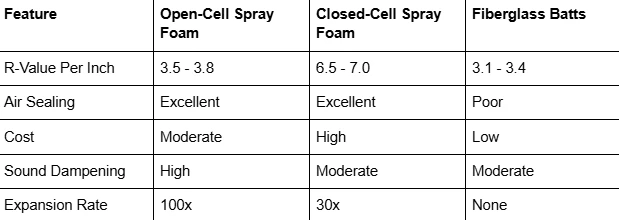
The following table compares the typical characteristics of open-cell foam against other common Seattle insulation choices to help visualize the value.
Lowering Long-Term Maintenance Costs
Because open-cell foam does not settle or degrade, it removes the need for future insulation top-offs. Traditional materials like cellulose often need to be added to every few years as they lose their loft. By choosing a permanent solution, homeowners save on the labor and material costs associated with recurring maintenance.
Structural Flexibility and Lightweight Application
Open-cell foam is significantly lighter than closed-cell foam, adding very little weight to the roof or walls. This makes it an excellent choice for older homes with rafters that may not be designed to carry heavy loads. The foam adheres to the surface without pulling on the building materials, maintaining the original integrity of the structure.
The softness of the foam also allows it to expand and contract along with the house. Seattle homes experience significant movement as the ground moisture levels change throughout the seasons. A flexible insulation material like open-cell foam is less likely to crack or pull away from the studs during these natural shifts.
Adhesion to Irregular Surfaces
The liquid application ensures that the foam bonds directly to wood, metal, and masonry. This bond is permanent and does not require mechanical fasteners that could damage the building materials. Even in homes with complex roof lines or dormers, the foam provides a continuous layer of protection.
Experts often use this material in "flash and batt" systems where a thin layer of foam is used for air sealing and a larger layer of traditional material is used for R-value. This combination can be a very effective way to manage costs while still getting the air-sealing benefits of spray foam.
Impact on Older Construction
Older Seattle homes often have "balloon framing" or other non-standard construction methods. Open-cell foam is forgiving in these environments because it can fill large, empty volumes without adding significant weight. It provides a modern solution for comfort without stressing the vintage materials used to build the house.

Blocking Pollutants for Better Air Quality
By creating a tight air seal, open-cell spray foam prevents outdoor pollutants from entering the living space. Dust, pollen, and vehicle emissions are blocked from passing through the walls, resulting in a cleaner indoor environment. This is especially beneficial for families with members who suffer from allergies or respiratory issues.
In a city like Seattle, where seasonal smoke from wildfires has become a recurring issue, a sealed home provides a safe sanctuary. The insulation ensures that the air being circulated by the HVAC system is the only air in the house. This allows air purifiers and filters to work more effectively because they are not constantly fighting against infiltrating smoke and dust.
Reducing Pest Intrusion
Open-cell foam acts as a physical deterrent for pests like insects and rodents. While it is not a pesticide, the material seals the small cracks and holes that these creatures use as entry points. Since the foam does not provide a food source or nesting material like paper-based cellulose, it makes the home much less attractive to unwanted visitors.
Sealing the attic and crawl space is often the most effective way to end a recurring pest problem. Specialists pay close attention to the areas where utilities enter the home, as these are common highways for rodents. A thorough application of foam provides a durable barrier that keeps the house clean and safe.
Improving HVAC Performance
When the home is sealed, the heating and cooling system can operate at peak efficiency. This reduces the amount of time the furnace runs, which means less dust is pulled through the ductwork. The result is a more consistent and healthy atmosphere for everyone in the family.
Things to Consider Before Making a Decision
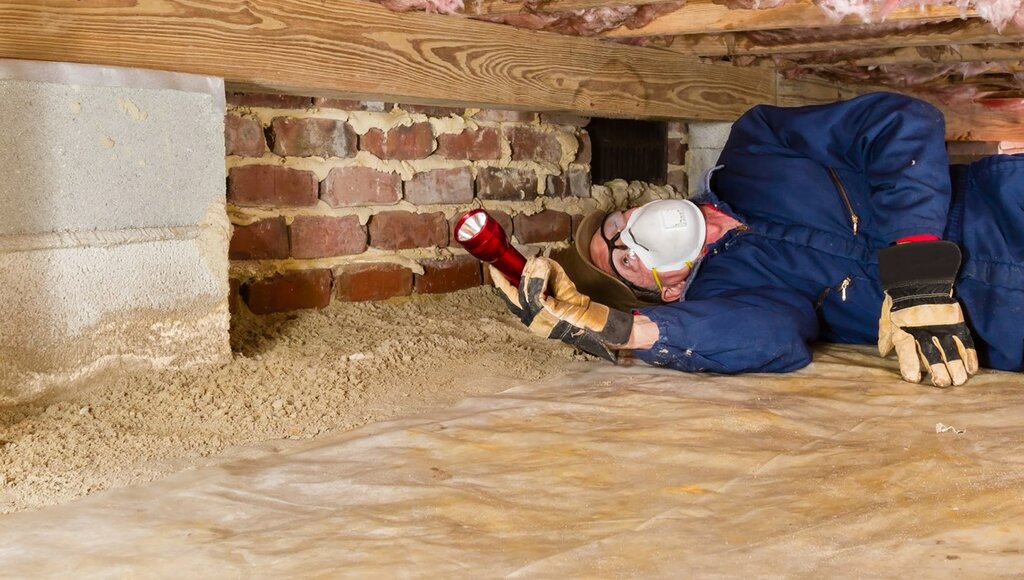
Choosing the right insulation requires a careful look at the specific goals for the property. Homeowners should consider if they need a material that adds structural strength, which would favor closed-cell foam, or if sound dampening and cost are the priorities. It is also important to verify that the home has a functioning ventilation system to manage the air exchange in a sealed building.
The curing time for open-cell foam typically requires the occupants to be out of the house for 24 hours. Families should plan for this temporary displacement as part of the project timeline. Finally, checking the credentials of the installer is essential to ensure the foam is mixed and applied according to the manufacturer's safety standards.
Evaluating Your Ventilation Needs
A very tight home needs a way to bring in fresh air to prevent the buildup of carbon dioxide and indoor odors. Many experts recommend a Heat Recovery Ventilator (HRV) or an Energy Recovery Ventilator (ERV) as part of a whole-home efficiency project. These systems ensure that while the house is energy-efficient, the air stays fresh and oxygenated for the residents.
Understanding Local Building Codes
Washington State has some of the most rigorous energy codes in the country. It is important to work with a company that understands how much insulation is required for your specific zone. They can provide a detailed plan that ensures your project meets all legal requirements and provides the maximum possible comfort for your family.
Questions People Ask About
Does open-cell spray foam absorb water if there is a roof leak?
Open-cell foam has a sponge-like structure and can hold water if a major leak occurs. However, this is actually a benefit because it allows the homeowner to see the leak quickly rather than the water traveling to a different part of the house. Once the leak is fixed, the foam can often be dried out and remains effective.
How long does the installation process take?
For an average-sized attic or crawl space, the actual spraying usually takes one to two days. The preparation work, such as masking off windows and doors, takes a few hours. Most families can return to their homes 24 hours after the application is finished.
Is open-cell foam safe for the environment?
Modern spray foams are formulated with low-VOC (Volatile Organic Compound) blowing agents that have a minimal impact on the ozone layer. Once the foam has cured, it is inert and does not off-gas. It also helps the environment by significantly reducing the carbon footprint of the home.
Can open-cell foam be used in a basement?
It can be used on the interior walls of a basement if the space is dry and above the water table. However, if there is a high risk of liquid water contact, many specialists recommend closed-cell foam instead because of its waterproof properties.
Will it make my home smell?
There is a distinct "new foam" smell during the application and curing process, which is why professionals use high-powered fans to ventilate the space. After the 24-hour curing period, the smell disappears completely, leaving the home fresh and ready for occupancy.
Summary of Open-Cell Benefits
Choosing open-cell spray foam is a strategic decision that offers immediate and long-term advantages for Seattle residents. From the massive expansion that seals every gap to the acoustic properties that block urban noise, the material addresses the most common challenges of modern home ownership. By allowing the structure to breathe while providing a powerful thermal barrier, it supports both the health of the building and the comfort of its inhabitants. Homeowners are encouraged to weigh these six expert points against their specific needs to determine the best path forward for their energy efficiency goals.
Professional Consultation and Installation
Working with an experienced team is the best way to ensure that your insulation project provides the maximum return on investment. Cascadia Spray Foam Insulation of Seattle offers professional assessments and precision installations for homes throughout the region. They help families identify the best materials for their specific structures, focusing on both comfort and energy savings. For more information or to schedule a consultation, they can be reached at (425) 386-3500 or through email at info@cascadiasprayfoam.com. Contacting their specialists is a proactive step toward creating a more efficient, quiet, and healthy living environment.
Reviewer: Olivia Thompson has spent 10 years working in spray foam insulation, helping companies grow their visibility. She reviewed this article and provided valuable suggestions to better align the content with customers' needs and expectations, ensuring it resonates with the target audience.