



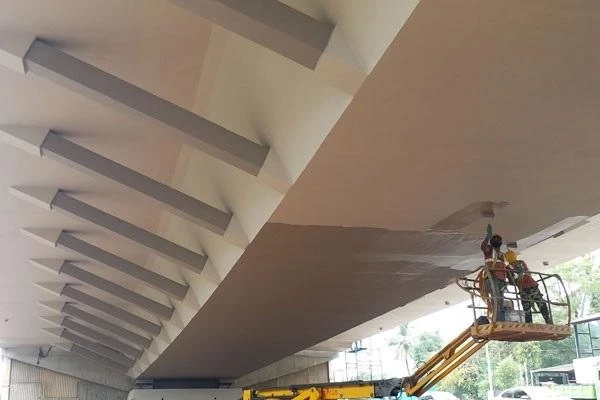
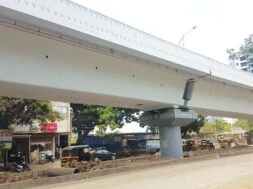
When it comes to extending the life of concrete structures, anti carbonation paint plays a crucial role. It forms a dense, protective coating that prevents carbon dioxide (CO₂) and moisture from entering the concrete surface, effectively halting the carbonation process. With India’s rapidly expanding infrastructure sector, choosing the right anti carbonation paint for concrete has become more important than ever.
In this comprehensive guide, we’ll explore what is anti carbonation paint, its specification, purpose, method statement, and more — along with insights into its relevance in India’s construction industry and guidance for selecting trusted anti carbonation paint vendors.
What is Anti Carbonation Paint?
Anti carbonation paint is a specialized, high-performance coating designed to protect concrete structures from carbonation — a natural process where carbon dioxide from the atmosphere reacts with calcium hydroxide in concrete to form calcium carbonate. This reaction reduces the alkalinity of concrete, leading to corrosion of embedded steel reinforcement.
By acting as a physical barrier, anti carbonation paint blocks the ingress of CO₂, moisture, and chlorides, thus preventing the corrosion of steel rebars and extending the structure’s life cycle.
In simpler terms, this coating functions like a “breathable shield.” It stops harmful gases from entering the concrete while allowing trapped moisture within to escape, maintaining the concrete’s internal stability.
The Purpose of Anti Carbonation Paint
The purpose of anti carbonation paint is primarily to protect concrete and reinforced concrete surfaces exposed to harsh weather, pollutants, and carbonation-inducing environments. Let’s look at its key objectives:
- Prevent Carbon Dioxide Ingress:
- The paint forms a dense film that prevents CO₂ from penetrating the concrete surface.
- Reduce Chloride Ion Attack:
- It minimizes chloride ion ingress from marine or de-icing environments.
- Maintain Alkalinity:
- By blocking carbonation, the paint helps retain the high pH necessary to keep steel reinforcements in a non-corrosive state.
- Enhance Durability:
- Structures coated with anti carbonation paint for concrete show improved resistance against cracking, spalling, and premature aging.
- Improve Aesthetics:
- Apart from its functional benefits, it provides a smooth, uniform, and decorative finish available in a range of colors.
Thus, the anti carbonation paint purpose is both protective and aesthetic, ensuring longer life and better appearance for exposed concrete.
How Does Carbonation Affect Concrete?
To understand the importance of anti carbonation coatings, it’s vital to know the carbonation process itself.
- Carbonation occurs when carbon dioxide (CO₂) from the atmosphere reacts with the calcium hydroxide in concrete to form calcium carbonate.
- This reduces the concrete’s alkalinity from a pH of around 12.5 to below 9.
- Once the pH drops below 9, the protective passive film around reinforcing steel breaks down.
- Corrosion begins, leading to cracking, delamination, and eventual structural failure.
Anti carbonation paint serves as the first line of defense in this chain of deterioration.
Anti Carbonation Paint Specification
A standard anti carbonation paint specification is designed to ensure durability, breathability, and high resistance to CO₂ diffusion.
Anti Carbonation Paint for Concrete
Concrete is naturally porous, which allows gases and moisture to penetrate over time. Using anti carbonation paint for concrete is especially important in environments exposed to:
- Urban pollution
- Marine and coastal areas
- Bridges, flyovers, and elevated structures
- Parking decks and retaining walls
- Water treatment plants and tunnels
For maximum effectiveness, the paint should be applied over properly prepared concrete surfaces, typically after curing for at least 28 days. The surface should be clean, free from dust, laitance, oil, and other contaminants.
Benefits of Anti Carbonation Paint for Concrete:
- Seals micro-cracks and prevents ingress of harmful agents
- Retains flexibility even under thermal expansion or vibration
- Resistant to UV rays and harsh weather
- Reduces maintenance cost and extends service life
Whether for new construction or rehabilitation, anti carbonation paint provides long-lasting protection and enhances structure longevity.
Anti Carbonation Paint Method Statement
A detailed anti carbonation paint method statement ensures correct application and optimum performance of the coating. Here’s a typical step-by-step process:
1. Surface Preparation
- Clean the concrete surface thoroughly.
- Remove dirt, dust, laitance, grease, and loosely adhering materials.
- Repair cracks and damaged areas using polymer-modified mortar.
- Ensure the substrate is dry before applying primer or paint.
2. Priming
- Apply a suitable acrylic or epoxy primer to enhance adhesion.
- Allow the primer to dry completely as per manufacturer’s recommendation.
3. Application of Anti Carbonation Paint
- Stir the paint thoroughly before use.
- Apply two to three coats by brush, roller, or airless spray.
- Maintain a recoat interval as recommended (usually 4–6 hours).
- Ensure a minimum dry film thickness (DFT) of 150–300 microns.
4. Curing and Inspection
- Allow the coating to cure for 7 days.
- Inspect the film for uniform coverage, adhesion, and defects.
5. Safety and Handling
- Use gloves, goggles, and safety gear.
- Ensure proper ventilation during application.
Following the above anti carbonation paint method statement ensures consistent performance, durability, and compliance with specifications.
Anti Carbonation Paint IS Code
In India, the performance of protective coatings for concrete, including anti carbonation paints, is guided by several standards. While there isn’t one single anti carbonation paint IS code, related standards include:
- IS 2395 (Part 2): Code of Practice for Painting Concrete, Masonry, and Plaster Surfaces
- IS 101: Methods of Sampling and Testing Paints and Varnishes
- BS EN 1504-2: Products and systems for the protection and repair of concrete structures — Surface protection systems
- ASTM D522: Mandrel Bend Test for flexibility
- ASTM D4541: Adhesion test for coatings
In project specifications, clients often refer to BS EN 1504-2 for performance testing, especially for CO₂ diffusion resistance and water vapor permeability. Following such standards ensures the product is suitable for long-term structural protection.
Anti Carbonation Paint in India
With India’s infrastructure sector witnessing tremendous growth — from metro projects to bridges and tunnels — the demand for anti carbonation paint in India has increased significantly.
Indian climatic conditions such as high humidity, heavy rainfall, and pollution accelerate carbonation and corrosion. Therefore, the use of anti carbonation paint for concrete has become essential in:
- Flyovers and bridges (NHAI projects)
- Metro stations and elevated corridors
- Parking structures and podium slabs
- Water treatment and sewage plants
- Industrial structures and chimneys
Indian manufacturers have also developed advanced elastomeric formulations suited for tropical conditions, offering excellent weather resistance and crack-bridging ability.
Some of the leading anti carbonation paint vendors in India include:
- Asian Paints
- Berger Paints
- Sika India
- Fosroc
- BASF (MasterProtect)
- Trident Coatings
- Nippon Paints
Each vendor offers product lines designed for both new and existing concrete structures with compliance to BS EN 1504-2 and other international standards.
Advantages of Anti Carbonation Paint
Let’s summarize why this coating is indispensable:
- Prevents Carbonation and Corrosion
- Acts as a CO₂ barrier and prevents steel reinforcement rusting.
- Excellent Weather Resistance
- Performs well in tropical, humid, and coastal conditions.
- Flexible and Crack-Bridging
- Adapts to minor structural movements and thermal expansion.
- UV Resistant and Durable
- Maintains color and integrity under strong sunlight.
- Breathable Film
- Allows water vapor to escape, preventing blistering or delamination.
- Aesthetic Appeal
- Available in various shades with smooth finishes.
- Low Maintenance
- Extends the maintenance cycle of structures by several years.
Application Areas
Anti carbonation paint for concrete is versatile and used across multiple sectors:
- Bridges, flyovers, and viaducts
- Stadiums and parking decks
- Water retaining and treatment structures
- Building façades and podiums
- Industrial plants and coastal structures
- Tunnel interiors and retaining walls
It’s also recommended for rehabilitation projects, offering additional protection to aged or repaired concrete.
Anti Carbonation Paint Wikipedia Reference
According to information similar to that found on anti carbonation paint Wikipedia, these coatings are categorized as surface protection systems under EN 1504-2, designed to limit gas diffusion while remaining water vapor permeable. The core principle is the same worldwide — prevent carbonation, retain alkalinity, and protect reinforcement steel from corrosion.
However, formulations differ regionally based on climatic conditions, resin technology (acrylic vs. polyurethane), and environmental regulations.
Choosing the Right Anti Carbonation Paint Vendors
When selecting anti carbonation paint vendors, consider the following factors:
- Proven compliance with international standards (BS EN 1504-2)
- Local technical support and site testing capabilities
- Product data sheets and CO₂ diffusion certificates
- Compatibility with primers and repair mortars
- Availability of different finishes and colors
It’s always best to choose a vendor offering full system solutions — primer, coating, and repair materials — to ensure compatibility and warranty coverage.
Maintenance and Recoating
Though anti carbonation paint has a long service life (10–15 years depending on exposure), periodic inspection is advised every 5 years. Look for:
- Cracks or peeling
- Chalkiness or fading
- Localized rust stains
Recoating is easy and typically requires only surface cleaning and one or two fresh coats of the same or compatible system.
Environmental and Safety Considerations
Modern formulations are low-VOC, water-based, and environmentally safe. When applied correctly, they pose no health hazards and comply with green building requirements.
Always store the material in cool, dry places and avoid direct contact with skin or eyes during application.
Conclusion
To sum up, anti carbonation paint is not just another decorative coating — it is a critical protective system that preserves the durability and service life of concrete structures. From metro stations to bridges, the use of anti carbonation paint for concrete has become a standard practice across India’s infrastructure projects.
Its ability to prevent carbonation, resist UV and weather exposure, and bridge cracks makes it an invaluable solution for both new and rehabilitated structures. With the right anti carbonation paint specification, proper method statement, and reliable vendors, engineers and contractors can ensure long-lasting protection and performance.
Whether you’re a builder, consultant, or project manager, choosing high-quality anti carbonation paint in India can significantly reduce long-term maintenance costs and enhance structural integrity.
Key Takeaways
- Anti carbonation paint acts as a barrier against CO₂ and moisture.
- Its purpose is to prevent steel reinforcement corrosion.
- Follow the correct method statement for application.
- Check for compliance with relevant IS codes and EN standards.
- Choose reputable vendors with certified products.
- Ideal for all concrete structures exposed to environmental stress.