




Designing is a critical process in custom plastic molding, as it directly impacts quality, cost, and efficiency. Avoiding common mistakes during the design phase can save time, reduce costs, and ensure a successful project.
Ahead in this blog post, we will discuss five common mistakes to avoid when designing for custom plastic molding and provide valuable insights to optimize your designs and achieve excellent results.
1. Neglecting Design for Manufacturability
Design for Manufacturability (DFM) is a fundamental principle to guide your design decisions. Neglecting DFM may lead to complications during the manufacturing process, resulting in delays and increased costs. Therefore, it is crucial to consider manufacturing limitations early in the design phase to avoid such errors.
Optimizing your design for manufacturability involves ensuring that parts can be efficiently produced, assembled, and maintained. By working closely with your molding supplier or manufacturer, you can gain valuable insights into design guidelines specific to their capabilities.
This collaboration will help you incorporate design features to enhance moldability, reduce production time, and improve overall quality.
2. Ignoring Material Selection
Choosing the right plastic material as per the specific requirements of your custom plastic molding project is critical for achieving the desired functionality, durability, and cost-effectiveness. Negligence in material selection often leads to poor performance or even failure of the final product. So, understanding the properties and characteristics of different plastic materials is necessary so that you can choose the best option for your application.
Consider factors such as mechanical properties, chemical resistance, temperature stability, and cost when selecting a plastic material. You ought to conduct thorough research and consult with material suppliers to make an informed decision.
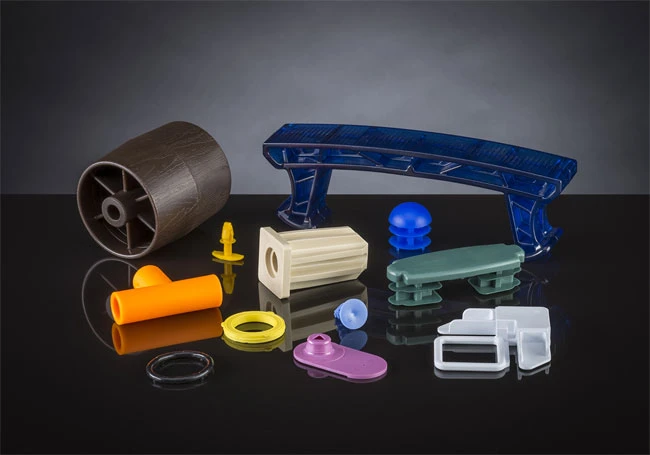
Choosing the right material can help ensure that your parts meet the desired specifications and deliver optimal performance in the intended environment.
3. Overlooking Wall Thickness Guidelines
The wall thickness of plastic parts also plays a crucial role in their structural integrity and manufacturability. Overlooking appropriate wall thickness guidelines might result in several issues, such as sink marks, warpage, or insufficient strength. Therefore, it is important to maintain optimal wall thickness for each part to achieve the desired functionality and avoid production challenges.
In simple terms, thin walls are prone to warping, distortion, or inadequate strength, while excessively thick walls lead to longer cooling times, increased material consumption, and higher costs. Hence, following industry guidelines and considering the complexity and purpose of your parts are important to determine the appropriate wall thickness.
Remember that choosing the right wall thickness can provide multiple benefits, such as optimal performance, better manufacturability, and cost-effectiveness of final products.
4. Failing to Account for Draft Angles
Draft angles are crucial design elements that facilitate the ejection of plastic parts from the mold. Failing to incorporate sufficient draft angles might lead to difficulties during demolding, resulting in production delays and potential damage to the parts or mold. Conversely, excessive draft angles can impact the aesthetics or functionality of the final product.
Understanding the purpose and requirements of your parts is essential to determine the appropriate draft angles. Complex parts or those with textured surfaces may require larger draft angles, while simpler parts may need smaller angles.
Considering draft angles early in the design process ensures smooth demolding, minimizes production issues and maintains part integrity.
5. Neglecting the Importance of Tolerances
Tolerances define acceptable variations in the dimensions and characteristics of plastic parts. Neglecting tolerances might result in parts that do not fit properly, compromising their functionality or assembly. To avoid such errors, you must define accurate tolerances based on the specific requirements of your custom plastic molding project.
Start by understanding the functional and assembly requirements of your parts. Consider factors such as mating parts, clearances, and overall part functionality. Consult industry standards and guidelines to determine appropriate tolerances for dimensions, surface finishes, and other critical features.
Specifying precise tolerances can ensure your parts fit together seamlessly, function properly, and meet the desired performance standards. Effective tolerance management also minimizes the risk of costly rework or part rejection during manufacturing.
Final Recommendations
Designing for custom plastic molding requires careful consideration to achieve optimal results.
You can significantly enhance the quality, cost-effectiveness, and efficiency of your custom plastic molding projects by avoiding these five common mistakes:
Neglecting design for manufacturability
Ignoring material selection
Overlooking wall thickness guidelines
Failing to account for draft angles
Neglecting tolerances
Remember to collaborate closely with your molding supplier or manufacturer, involve them in the design process, and leverage their expertise to optimize your designs. By incorporating design for manufacturability principles, selecting appropriate materials, adhering to wall thickness guidelines, incorporating suitable draft angles, and defining accurate tolerances, you can ensure successful results and avoid unnecessary delays and expenses.
Remember that each project is unique, so adapting these guidelines to your specific requirements is essential. Investing time and effort into meticulous design considerations can maximize the potential of custom plastic molding, ultimately resulting in high-quality and functional parts to meet your project\'s objectives.