



Preparing for a major exam is rarely a test of knowledge alone — it’s a test of how well you practice under realistic conditions. Plenty of students spend hours reading textbooks but still feel unprepared because they haven’t trained for the format and timing of the actual exam.
One of the most efficient study tools is an exam-style question library. When used correctly, these libraries help you identify weak areas, build timing skills, and convert passive knowledge into active exam performance. Below are five practical, low-tech strategies that make question libraries work for you.
1. Use timed, full-format practice first
Avoid starting every study session with untimed review questions. Once or twice a week, take a full, timed practice set that matches the exam’s format. This trains pacing and helps you learn how it feels to think under pressure. Treat the timed run as a diagnostic: don’t cram after it — review.
2. Turn every mistake into a micro-lesson
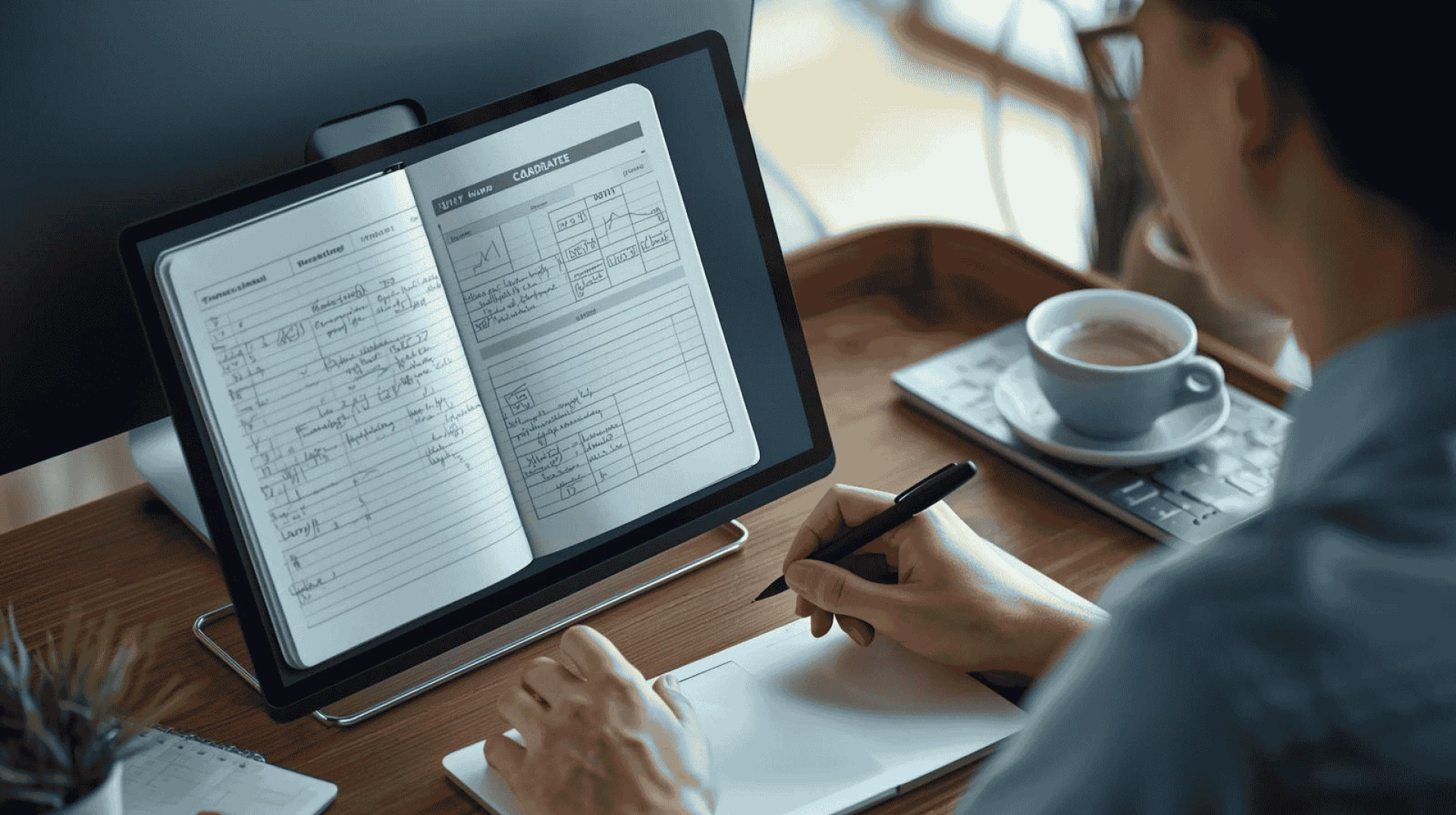
Every incorrect answer is a data point. Make a simple “error log” (paper or digital) and for each missed question note: (1) the concept tested, (2) why your answer was wrong, and (3) the one sentence summary you need to remember next time. Revisit the log daily for 5–10 minutes — repetition sticks.
3. Mix focused practice with mixed sets
Alternate between focused sets (questions about a single topic you’re struggling with) and mixed sets that simulate exam conditions. Focused practice accelerates conceptual repair; mixed sets force you to rapidly switch mental gears — which is exactly what most exams demand.
4. Simulate the environment and reduce distractions
When you practice, simulate the exam environment: set a timer, remove your phone, and sit in a place where you won’t be interrupted. Small environmental habits (same chair, same desk layout, similar lighting) can reduce anxiety by turning practice into a ritual rather than a casual quiz.
5. Use analytics and variety, but don’t over-trust scores
Many question libraries provide performance analytics (topic breakdowns, time per question, trends). Use those analytics to prioritize study topics, but don’t let a single percentage score define you. Look at patterns — recurring mistakes and slow question types are far more actionable than an overall score.
Choosing and using a question library (practical checklist)
When you evaluate a practice question library, look for:
- Clear organization by exam type and topic
- Recent, up-to-date question formats (mirrors the real exam)
- Options for timed practice and mixed sets
- A way to export or view incorrect questions for review
One resource you can explore for a broad, organized selection of exam-style practice sets is an online library that groups questions by exam type and offers practice modes you can apply with the strategies above (example link: exam question library). Using a single, well-organized library consistently will save time versus scattering practice across many poorly organized sources.
Final tip: make practice deliberate
Deliberate practice is short, targeted, and followed by focused review. Rather than increasing hours, change how you practice: simulate the exam, log errors, and repeat small, targeted reviews. Those habits turn passive reading into reliable performance.
Read more from Poker Exams