
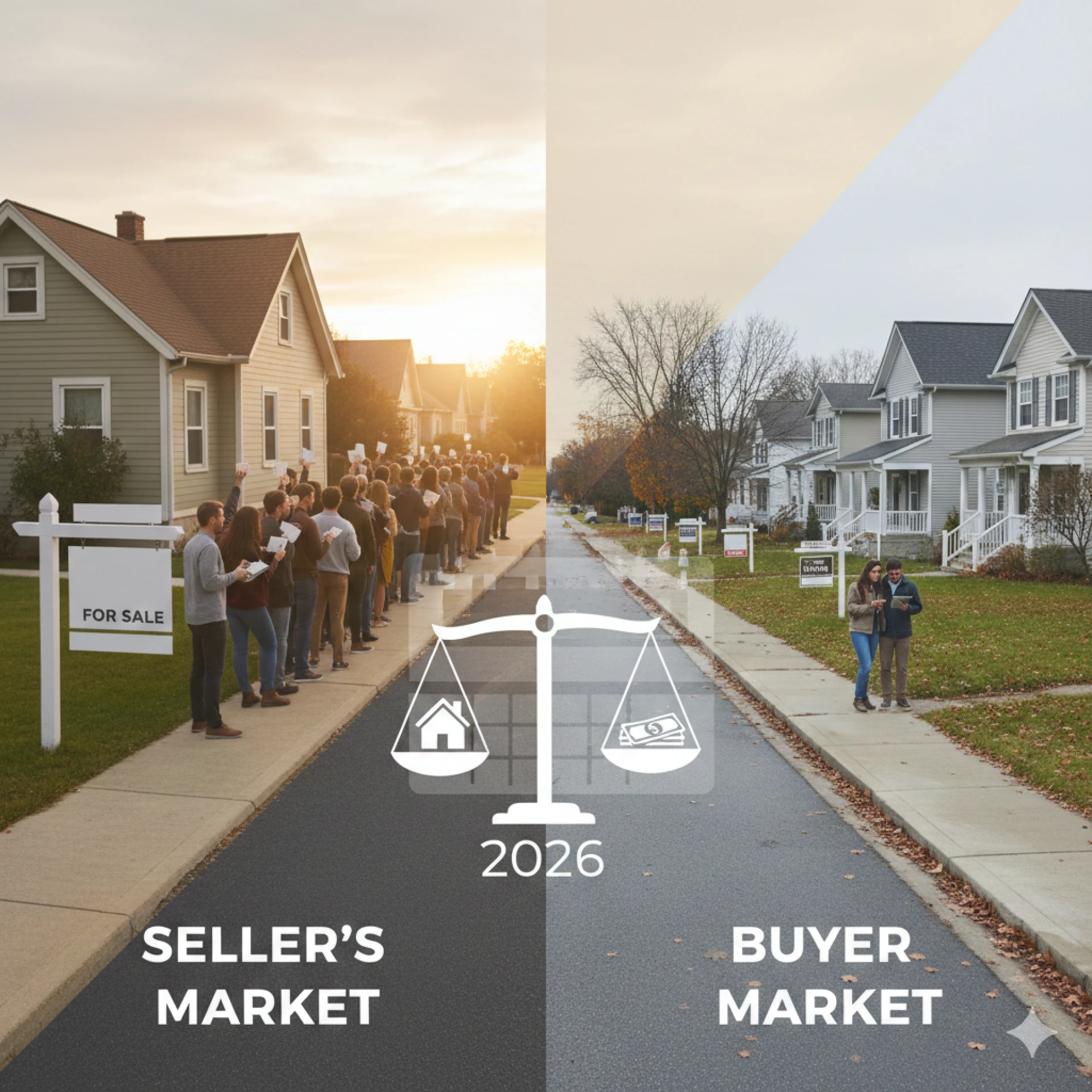
The real estate market is a constant dance of supply and demand, and as we look ahead to 2026, many homeowners and prospective buyers are wondering: will it be a seller's paradise or a buyer's dream? After the rollercoaster years of fluctuating interest rates, shifting inventory, and lingering economic uncertainties, understanding the lay of the land is crucial. Let's dive into what 2026 might hold for the housing market.
Interest Rates: The Elephant in the Room
One of the most significant factors influencing the housing market is interest rates. The aggressive rate hikes of previous years have certainly cooled buyer enthusiasm, making affordability a major hurdle for many. Looking into 2026, most economists predict a period of stabilization, with potential for slight decreases. This doesn't necessarily mean a return to the ultra-low rates of the past, but even a modest dip could inject renewed confidence into the market, drawing more qualified buyers off the sidelines.
However, even with stabilization, higher rates than the pandemic era mean buyers will remain sensitive to price. This puts pressure on sellers to be realistic about their expectations, particularly in areas where inventory begins to tick up.
Inventory Levels: The Supply Side Story
For years, a persistent lack of inventory fueled bidding wars and drove up prices, creating a strong seller's market. Many existing homeowners, locked into historically low mortgage rates, have been reluctant to sell, creating a "golden handcuffs" effect. This dynamic has kept the supply of available homes artificially low.
As we move into 2026, there's a growing expectation that inventory levels will gradually increase. Factors contributing to this include:
- Life Changes: People will always need to relocate for jobs, family expansion, retirement, or other personal reasons, regardless of interest rates.
- New Construction: While facing its own challenges, new home builders are continually working to address housing shortages, adding more options to the market.
- Easing of Golden Handcuffs: As interest rates stabilize or slightly decrease, the perceived "penalty" of selling a home with a low rate might lessen for some, encouraging more listings.
An increase in inventory would undoubtedly empower buyers, giving them more choices and potentially reducing the intense competition seen in recent years.
Affordability Challenges Persist
Despite potential shifts, affordability will likely remain a significant challenge for many, especially first-time homebuyers. High home prices, coupled with elevated interest rates, mean that the median income still struggles to keep pace with the cost of homeownership in many desirable areas. This could lead to a continued bifurcation of the market:
- Luxury/High-End: Less affected by affordability constraints, this segment may remain robust.
- Entry-Level/Mid-Market: This segment will be highly sensitive to interest rates and local economic conditions.
For homeowners facing affordability challenges or struggling with an undesirable property, alternative solutions become more attractive. This is where options like a cash homebuyer can play a crucial role, offering a path to sell your house fast without the traditional complexities and costs.
The Rise of the Discerning Buyer
With more inventory and potentially stable rates, 2026 buyers are likely to be more discerning. The frantic pace of previous years, where buyers often waived contingencies and overlooked flaws, may diminish. Buyers will take more time, scrutinize properties more thoroughly, and be less willing to overpay for homes requiring significant repairs or updates.
This shift means that properties needing work, whether it's a leaky roof, outdated interiors, or structural issues, might sit on the market longer and require price reductions. For sellers with properties in less-than-perfect condition, trying to compete with turn-key homes through traditional channels can be a frustrating and expensive endeavor. This is precisely why professional we buy houses services are gaining traction; they offer speed and certainty by purchasing properties 'as-is,' effectively bypassing the need for repairs, staging, and endless showings.
Regional Variations: Not a One-Size-Fits-All Market
It’s crucial to remember that real estate is inherently local. What happens in Kansas City might be very different from what's happening in Denver, or even within different neighborhoods of the same city. Local economic conditions, job growth, population shifts, and specific housing policies will continue to create diverse market landscapes.
The Verdict for 2026: A More Balanced Market with Nuance
While it's unlikely we'll see a dramatic swing to either an extreme seller's or buyer's market, 2026 is poised to be more balanced than the frenzied years of the early 2020s.
- For Sellers: The days of automatic bidding wars are likely over in most areas. While well-maintained, desirable homes will still command good prices, sellers with properties needing work or facing time constraints might find the traditional market more challenging. This is where a cash homebuyer offers a valuable alternative, providing a quick, hassle-free way to sell your house fast without the uncertainty of traditional listings.
- For Buyers: Increased inventory and more stable (though still higher than past lows) interest rates offer more opportunities. However, affordability remains a hurdle, demanding careful budgeting and strategic decision-making.
Ultimately, both buyers and sellers in 2026 will need to approach the market with realistic expectations and a willingness to adapt. For those prioritizing speed, convenience, and a guaranteed sale, exploring companies that proudly state, "we buy houses," could be the smartest move, regardless of broader market fluctuations.