



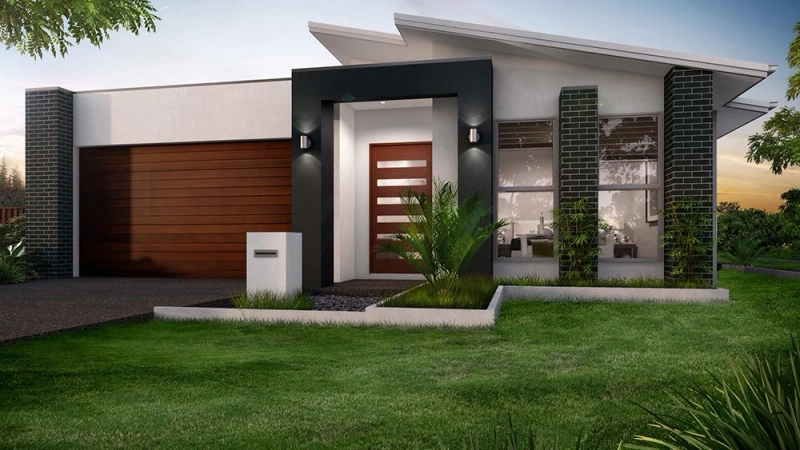
As we head into 2026, the landscape of custom home building is undergoing a meaningful evolution. Forward-thinking firms like Indigo CC emphasise that bespoke homes are no longer just about unique aesthetics – they are about lifestyle, efficiency, adaptability, and long-term value.
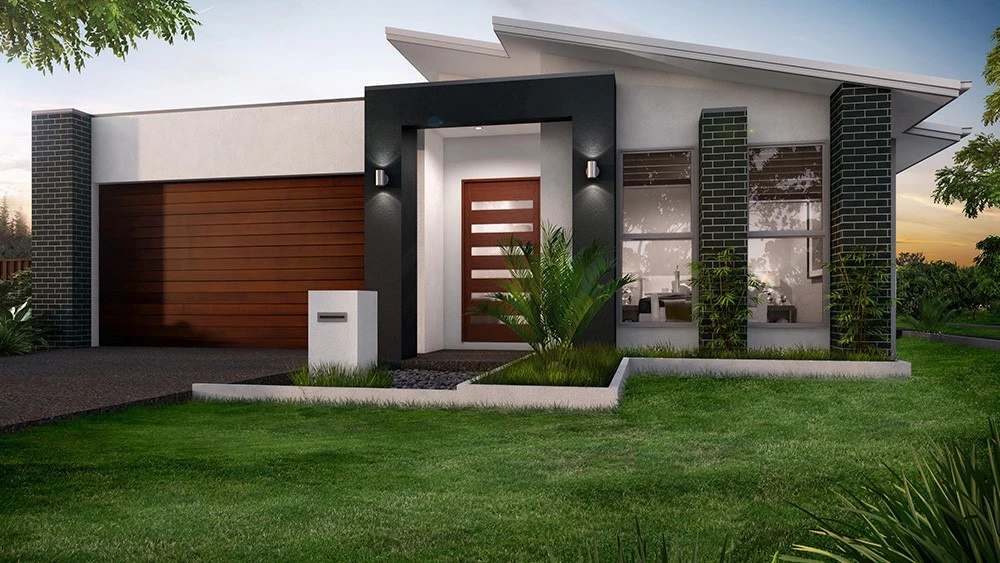
In this blog, we will explore key trends and shifts shaping custom homes — and how you can ride that wave to build something that lasts, performs, and delights.
1. Purpose-Built Customisation, Not One-Size-Fits-All
Indigo CC positions itself as a partner in “transforming your vision into reality” by delivering “100 %customised home building solutions... tailored to suit your individual needs and lifestyle” (
Key take-aways for 2026 and beyond:
- Early involvement of design + build teams to ensure that the home aligns with how you actually live (not just how display homes look).
- Flexibility of layout, finishes and systems so your home evolves with you (children, working from home, ageing-in-place).
- Transparent communication: Indigo CC emphasises project-management software, progress photos, scheduled site meetings and dedicated project managers.
2. Smart & Sustainable Systems Take Centre Stage
One of the strongest signals for the future: homes that are built to perform — for comfort, cost-efficiency and environmental impact. Indigo CC’s blog highlights upgrades such as: solar + battery systems, automated lighting and climate control, water-efficient fixtures, high-performance insulation and glazing. x
What this looks like in practice:
- A fully integrated energy system (solar panels, battery storage, intelligent home controls) with the custom-home builder designing it in from the ground up.
- Passive design elements: correct orientation, cross-ventilation, thermal mass, glazing optimisation — all to reduce reliance on artificial heating/cooling.
- Use of sustainable materials: low-VOC paints, recycled timber, materials with a long life span (not just trendy finishes).
- Preparedness for future standards: As building codes evolve toward higher energy-efficiency and climate resilience, your custom build is ahead.
3. Layouts & Living Spaces that Reflect Real Life
Open-plan layouts have been around for a while, but what’s evolving is how homes adapt to changing patterns of living: remote work, multi-generational families, flexible zones. Indigo CC emphasises this in its upgrade list: open plan living, home offices, outdoor integration.
Look for these features moving forward:
- Multi-functional rooms: spaces that can act as guest rooms, home offices, play zones depending on your life stage.
- Seamless indoor-outdoor flow: large sliders, extended alfresco zones, unified flooring to blend inside & outside.
- Kitchen remains a focal point of the home: premium finishes, high-efficiency appliances, smart storage.
- Outdoor living integrated as standard, not an afterthought.
4. Materials, Finishes & Aesthetic Staying Power
The message: design for longevity. Homes built today should avoid short-term fads and instead lean into timeless materials and finishes. According to an Australia-wide look at design trends: “homes built to last … instead of chasing what’s trending on social media”.
What to keep in mind:
- Choose durable materials with character: natural stone, textured render, fine timber detailing — things that grow in appeal rather than date quickly.
- Neutral base palettes with accent flexibility: so you can refresh colours or furnishings without rebuilding.
- Quality over quantity: Investing in fewer but better-crafted elements (for example in kitchens or bathrooms) yields better return.
- Custom storage and built-in solutions to create functionality and a clean look.
5. Smart ROI Thinking: Value That Extends Beyond Build
Indigo CC emphasises that every upgrade ought to balance lifestyle benefits and potential resale or long-term value: “Your home should reflect who you are, but it should also work hard for you.”
Strategic upgrades to consider:
- Energy-efficiency features: These reduce operating costs and increasingly impact buyer preferences.
- Outdoor living and landscaping: Especially relevant in climates like Australia, these enhance liveability and value.
- Home office/flexible living spaces: Given remote work trends, homes offering this are more attractive.
- Strong curb appeal + facade upgrades: First impressions matter in market valuation.
- Fixed-price contracts and transparent project documentation – these help protect cost-certainty and reduce risk.
6. Build Process & Client Experience Evolve
Going custom used to mean some friction — more decisions to make, more time required. Builders like Indigo CC are streamlining that: in-house design teams, digital visualisations (3D), fixed-price contracts, regular communication.
2026-forward expectations:
- Early use of 3D modelling / VR so clients see the result before construction begins.
- Digital dashboards for progress tracking: photos, site updates, budget tracking.
- Fixed-price or locked-in pricing structures to mitigate material-cost volatility.
- Collaborative approach: builder, designer and client working together to deliver personalised outcomes without sacrificing efficiency.
7. Challenges & Considerations to Watch
While the future is promising, there are a few important caveats:
- Custom builds often cost more (both build cost and time) compared to ‘spec’ homes. It’s vital to set realistic budgets and timelines.
- Material supply and labour constraints remain a risk in many markets; early decisions and sourcing matter.
- Regulatory and energy-code changes: Australia’s building codes are tightening on energy efficiency and sustainability — staying ahead is smart.
- Market value vs personal value: Some highly personalised choices may suit you perfectly but might limit broad market appeal later — balance is key.
- Coordination of design, engineering, approvals and construction is more complex — choosing the right builder (with custom-home specialty) is essential.
Conclusion
The path for custom homes in 2026 and beyond is clear: homes that are deeply personal, smartly built, efficiently operated and designed to age gracefully. By partnering with a custom home builder that emphasises sustainability, flexibility, quality process and long-term value (like Indigo CC), homeowners can build not just a house—but a lasting sanctuary.