



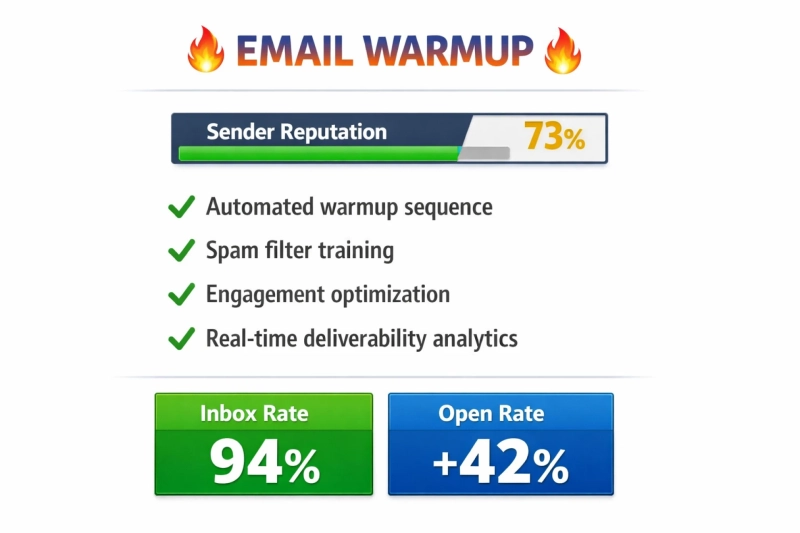
Email remains one of the most reliable ways for businesses and professionals to communicate with customers, partners, and potential leads. However, many people overlook an important step before starting large email campaigns: email warmup. Without it, messages may land in spam folders or fail to reach recipients entirely.
Email warmup tools are a simple but effective software that helps establish trust between the sender and email service providers. Understanding how it works can make a significant difference in the success of email outreach and communication efforts.
What Is Email Warmup?
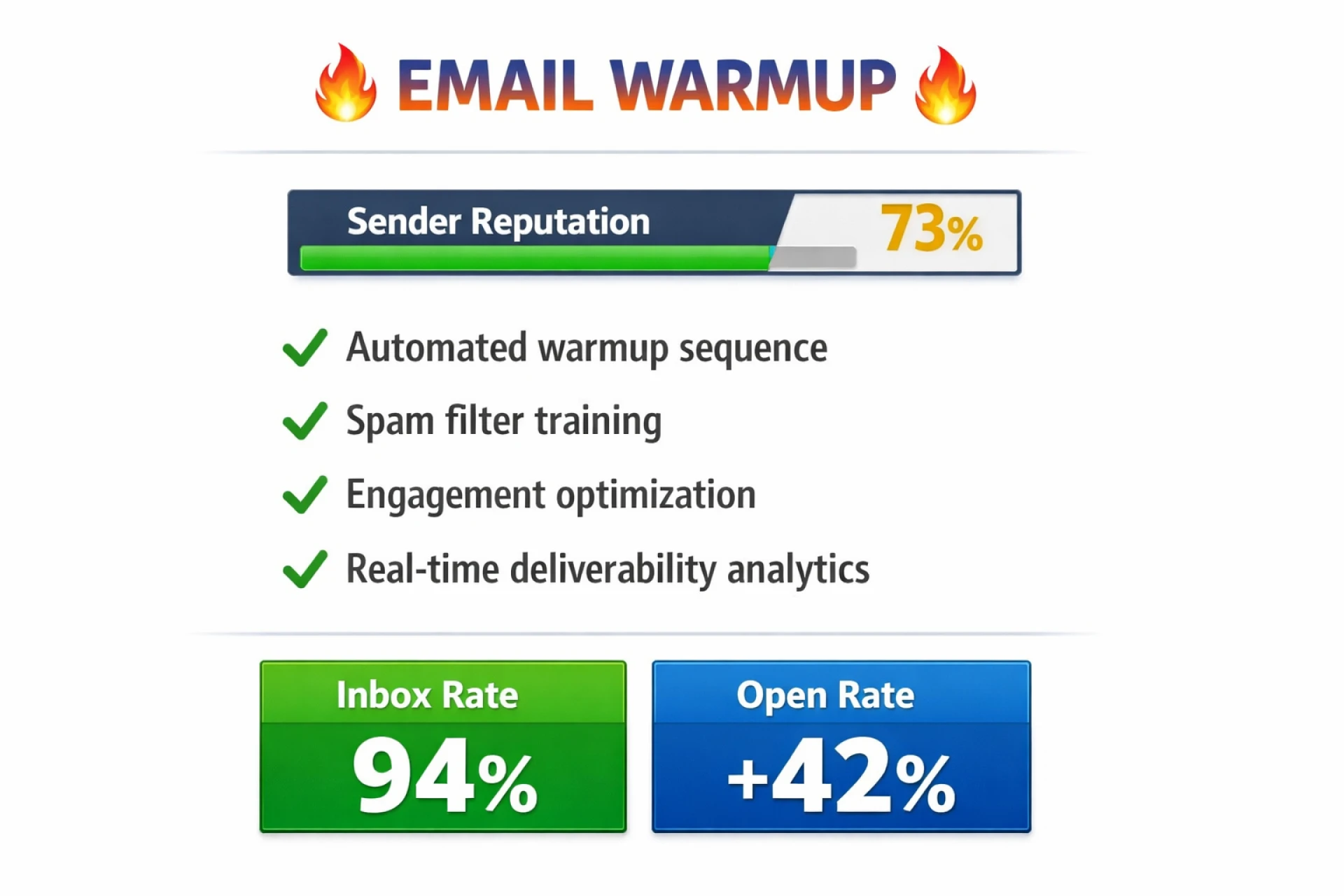
Email warmup is the process of gradually increasing the number of emails sent from a new email account or domain. Instead of sending a large volume of emails immediately, the sender begins with a small number and slowly increases the activity over time.
This gradual process allows email providers such as Gmail, Outlook, and Yahoo to observe the sender’s behavior. When the activity appears natural and consistent, the sender’s reputation improves. As a result, future emails are more likely to reach the inbox rather than the spam folder.
In simple terms, email warmup helps new email accounts build credibility.
Why Email Warmup Is Important
Many email platforms monitor sender behavior carefully. When a new email address suddenly sends a high number of messages, the activity can appear suspicious. This may trigger spam filters or temporary restrictions.
Email warmup helps prevent these issues in several ways.
Establishing a Positive Sending Reputation
Email providers assign a reputation score to domains and IP addresses. This score is based on various factors such as sending volume, engagement levels, and complaint rates.
A gradual warmup process allows the sender to demonstrate responsible behavior. Over time, this helps build a positive reputation, which improves overall email performance.
Improving Inbox Placement
One of the main goals of email communication is to ensure messages reach the recipient’s inbox. If a domain does not have an established reputation, messages may be filtered into spam folders automatically.
By warming up an email account properly, senders increase the likelihood that their emails will be delivered successfully.
Reducing the Risk of Blocks or Restrictions
Sudden spikes in sending activity may trigger protective measures from email service providers. In some cases, accounts may experience temporary limits or delivery delays.
Email warmup reduces the chance of these problems by introducing sending activity gradually.
How the Warmup Process Works
A typical email warmup process takes place over several days or weeks. The exact timeline depends on the age of the domain and the intended sending volume.
The process usually includes the following steps:
- Starting with a small number of daily emails
- Increasing the volume gradually over time
- Maintaining consistent sending patterns
- Ensuring messages are sent to valid email addresses
- Monitoring engagement signals such as opens and replies
These activities help demonstrate that the email account is being used for normal communication rather than bulk spam.
Additional Benefits
Beyond deliverability, email warmup can also help senders maintain healthier email practices. It encourages list hygiene, careful monitoring of engagement metrics, and responsible sending habits.
These factors contribute to more sustainable email communication over time.
Final Thoughts
Email warmup is an essential step for anyone planning to send a significant number of emails from a new domain or account. By gradually building a sending history, individuals and businesses can improve deliverability, maintain a positive reputation, and reduce the risk of messages being filtered as spam.
Taking the time to warm up an email account properly can make email communication more reliable and effective in the long run.